Now, it is the time when spring is in full bloom. In mid-spring, many office workers are troubled by spring fatigue, the so-called "spring lethargy," and have to brew a cup of tea every day when they go to work. In fact, drinking tea in spring is very beneficial for health preservation. However, to achieve the best health-preserving effects, what tea to drink and how to drink it are particular.
To Prevent Spring Fatigue, Floral Tea Is Most Refreshing
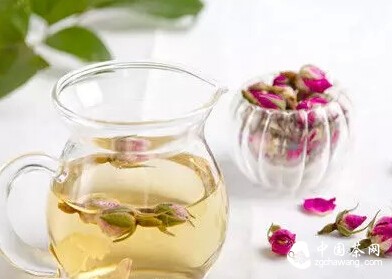
If you are often troubled by spring fatigue, it is recommended to drink more floral tea. Traditional Chinese medicine believes that strong, fragrant tea helps dispel the cold that has accumulated in the body during winter and promotes the growth of yang energy in the body.
Rose tea focuses on soothing liver energy, jasmine tea can relax the nerves, chrysanthemum tea can nourish the liver and improve eyesight, detoxify, and reduce internal heat, and honeysuckle tea can alleviate common spring upper respiratory infections and influenza.
For Frequent Coughs, White Tea Is Most Moistening for the Lungs
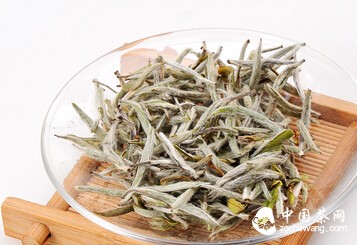
Besides green tea, the less familiar white tea is also very suitable for drinking this season. As temperatures gradually rise in spring, there is more rain in the south, but rainfall is still scarce in the north. Many people wake up feeling a dry throat, sore throat, and persistent coughing. From the perspective of traditional Chinese medicine, this is lung dryness, and spring dryness is most likely to damage the lungs, triggering respiratory diseases. Drinking some white tea, which is mild in taste, cool in nature, and clears heat and reduces fire, is very beneficial for moistening the lungs and resolving phlegm, providing good protection for the respiratory tract.
For Excessive Internal Heat, Green Tea Is Most Heat-Clearing
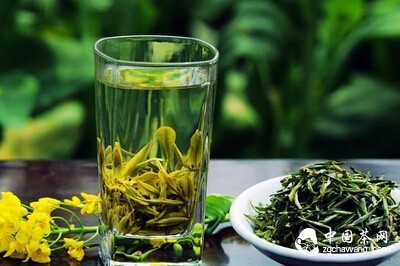
Internal heat tends to be strong in spring, so it is best to drink tea mainly for clearing heat. This is also the main reason why 'drinking green tea is most timely in spring.' Green tea can detoxify, clear the liver, and benefit the gallbladder. For people with irregular lifestyles and damp-heat constitutions, drinking green tea can also effectively transform dampness through its energy. Green tea that hits the market around the Qingming and Guyu solar terms is the best quality of the year. At this time, the tea leaves are rich in nutrients such as free amino acids, and the tea aroma and flavor are also at their peak.
Does Spring Tea Need Rinsing?
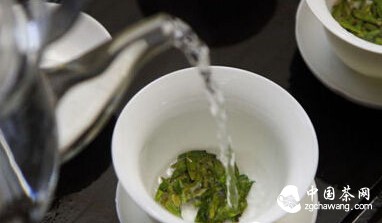
It is understood that the term "rinsing tea" originated in the Ming Dynasty. The "Chinese Tea Dictionary" explains "rinsing tea" as "washing away impurities from the surface of loose tea leaves, and it can also induce the tea's aroma and flavor." Spring green tea that hits the market can be rinsed or not. Wild tea or tea fried on rainy days generally does not need rinsing. Taking Longjing tea as an example, Longjing tea that hits the market before Qingming and after the rains is picked from tender buds. Once exposed to boiling water, the nutrients beneficial to the human body in the tea leaves quickly dissolve. Rinsing not only fails to induce the tea aroma but also causes all these beneficial components to be lost.
Don't Drink the Same Cup of Tea All Day
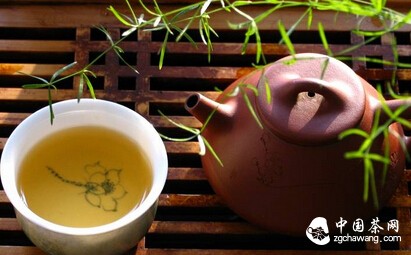
Some office workers are accustomed to drinking the same cup of tea all day, but this is essentially no different from drinking plain water. It has been calculated that when brewing floral tea, black tea, and green tea with boiling water, the first infusion can dissolve about 55% of the total soluble substances; the second infusion is about 30%; the third infusion is about 10%; and the fourth infusion is only 1%-3%. This shows that after four infusions, a cup of tea gradually becomes weak.