Mingqian tea, with its fine buds, tender leaves, emerald green color, subtle fragrance, beautiful shape, and mellow taste, is truly the "Beauty of Tea." Mingqian tea should be savored slowly, carefully, and quietly to fully appreciate its color, aroma, and flavor, and to comprehend the beauty of the tea ceremony. Brewing a good pot of Mingqian tea is an art and a cultivation of one's state of mind. So, how should it be brewed?
It's Best to Let Mingqian Tea Rest for Two Weeks Before Drinking
Drinking spring tea is not about the fresher, the better. It's best not to drink freshly roasted Mingqian tea immediately; letting it rest for one to two weeks improves its flavor.
New tea often has a "fire" taste. If brewed right away, it can leave the throat feeling dry, and the flavor won't be as fresh and delicious. Newly roasted tea leaves also retain some moisture, which is not conducive to storage. Proper resting not only removes the "fire" taste but also reduces the moisture content in the dried leaves.
What is the Best Water for Brewing Tea?
Good tea requires good water. Water is categorized as hard or soft. Water with a calcium and magnesium ion content exceeding 8 milligrams per liter is called hard water, while water with less than 8 milligrams is called soft water. Using soft water to brew tea results in a bright liquor color, high and refreshing aroma, and a fresh, mellow taste. Using hard water darkens the liquor color and diminishes the fresh flavor.
Currently, the water in our city is somewhat hard. Using it to brew tea impairs the tea's flavor. Tap water contains chlorine ions used for disinfection and, after staying in pipes for a long time, may contain higher levels of iron ions. When the iron ion content in water exceeds 0.5 parts per thousand, it turns the tea liquor brown. Chlorides interacting with the tea's polyphenols can also form a layer of "rusty oil" on the surface of the tea liquor, giving it a bitter, astringent taste.
Using purified water to brew tea offers good purity, high transparency, and no strange odors. Experiments show that tea brewed with purified water (using 100ml water and 1g of green tea) extracts over twice the amount of beneficial substances like amino acids, proteins, and vitamins from the leaves compared to other packaged drinking waters.
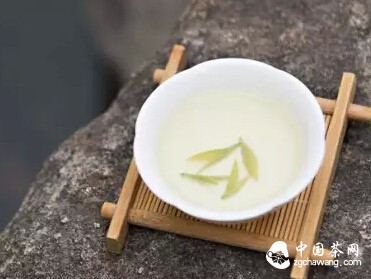
Do Not Use Boiling Water to Brew Mingqian Tea
Since Mingqian tea is generally quite tender, the ideal brewing temperature is around 80 degrees Celsius. The more tender and green the tea leaves, the lower the brewing water temperature should be. This ensures the tea liquor remains bright green and clear, the taste fresh and smooth, and prevents the destruction of the tea's nutritional components.
As the saying goes, water that is too hot "scalds" the tea leaves. It's best to first pour boiling water into one cup, then pour it into the teacup for brewing. This makes it easy to control the water temperature. For Mingqian Biluochun tea, one should add water first, then the tea leaves.
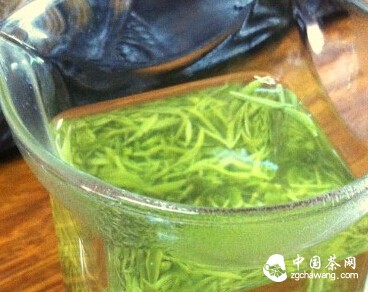
It is Best to Use a Glass Cup for Brewing
Mingqian tea is appreciated not only for its green liquor, fresh taste, and rich aroma but also for its beautiful shape. The dry leaves of Longjing tea should be flat, straight, and smooth, while Biluochun's dry leaves should be "curled like a snail's shell." Therefore, using a glass cup is ideal for brewing Mingqian tea. After brewing, watching the tea buds and leaves slowly unfurl and float up and down in the glass cup is a special pleasure in itself.