Tea leaves, besides being used for drinking in daily life, actually have many other uses. Especially the tea leaves that have been brewed can be turned from waste into treasure. They have a little secret: tea dregs can be recycled and reused by utilizing their ability to adsorb odors.
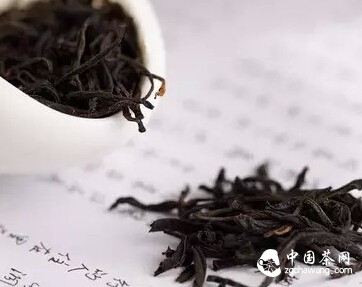
Because dry and rough tea leaves have a complex texture and a relatively large surface area. In addition to their large surface area, they also have many small pores, generally possessing adsorption properties. Tiny particles being adsorbed will attach to the small pores and the rough grooves on the surface. Just like activated charcoal, they can absorb moisture and odors from the environment. The principle of scented tea production utilizes the adsorption properties of tea leaves during the scenting process.
The prerequisite is that we must thoroughly sun-dry the tea dregs. The drier the tea leaves, the stronger their odor absorption. After drying, place them into a gauze bag. The fish and meat in the refrigerator emit a relatively strong fishy smell. You can put the made tea bags in the refrigerator, and the deodorizing effect is relatively good. Of course, we can also place them in the kitchen to eliminate oily odors.
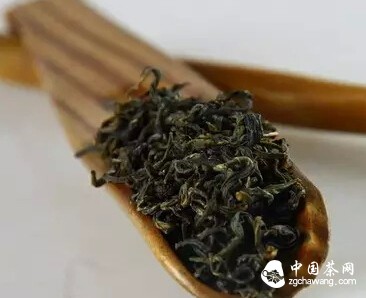
Generally, the adsorption properties of tea leaves are quite good, so we can place them anywhere there are unpleasant or foul odors. They can eliminate bathroom odors or remove dampness and odor inside shoes. Every half month, take out the tea bag and sun-dry it thoroughly, then put it back in the refrigerator for repeated use.
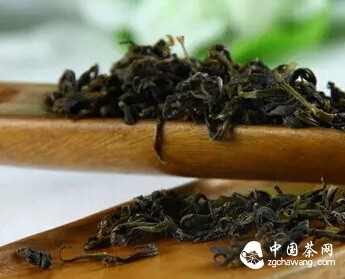
Tender tea leaves have better adsorption capacity than older tea leaves. Green tea outperforms tea classes like oolong tea, black tea, and dark tea among the six major tea categories. In terms of processing, because baking (烘青) preserves more natural substances and largely maintains the original form, baked green tea is more effective than pan-fired (炒青) green tea. Tea leaves with a larger surface area will also adsorb more.