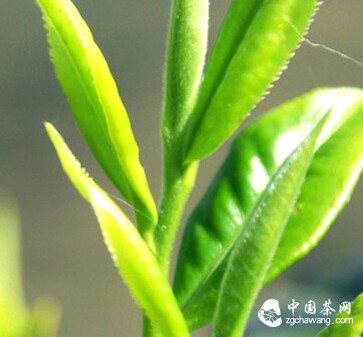
Good Pu-erh tea can possess many delicate and subtle aromatic compounds. So, what types of aromas does Pu-erh tea have? Based on its fragrance, Pu-erh tea can be classified into six categories: camphor aroma, lotus aroma, orchid aroma, honey aroma, and walnut aroma. In addition to these, Yunnan Pu-erh tea also exhibits some complex, blended aromas. For example, Yiwu tea has a honey-orchid fragrance, while some other Pu-erh teas combine lotus and camphor aromas.
Now that we have a basic understanding of the aroma types in Pu-erh tea, how can we identify these fragrances when purchasing Pu-erh tea, and which teas possess them?
1. Camphor Aroma:
Various regions in Yunnan have tall camphor forests, which provide an ideal environment for growing Pu-erh tea. More remarkably, the roots of Pu-erh tea trees intertwine with camphor tree roots underground, imparting a camphor fragrance to the tea leaves. Additionally, camphor branches and leaves release this aroma, which the tea trees directly absorb and store in their leaves.
2. Lotus Aroma:
Pu-erh tea with a lotus aroma is made from tender tea buds. These young buds of Yunnan large-leaf tea varietals emit a strong green leaf fragrance when freshly processed. After proper aging and fermentation, the high-quality tender buds lose their intense green leaf scent, naturally leaving behind a subtle lotus fragrance, which belongs to the category of light, floating soup aromas. Pu-erh tea with a lotus aroma releases this gentle fragrance upon opening the packaging. When brewed, this aroma can also be detected in the tea soup.
3. Orchid Aroma:
Loose tea or round tea cakes made from relatively tender third, fourth, and fifth-grade Pu-erh tea leaves initially have a green leaf fragrance. After long-term aging, this green leaf scent transforms into a fresh fragrance, which can brew into an orchid aroma.
4. Jujube (Date) Aroma:
This aroma is produced only by tea trees growing in environments with lush vegetation, frequent mist and clouds, and the presence of wild jujube trees. Over time, fallen leaves form natural fertilizer. The tea tree roots absorb these nutrients, and the leaves take in the mist, resulting in a unique jujube fragrance in the tea.
5. Honey Aroma:
Generally, most arbor-type tea from Xishuangbanna, when pressed into cakes and aged for one to two years, develops a honey-like sweetness. Of course, century-old ancient tree tea exhibits a pronounced lingering honey aroma in the empty cup.
6. Walnut Aroma:
This type of aroma does not necessarily mean the tea-growing area has many walnut trees. Rather, it refers to the tea, especially old tea lumps, developing a walnut-like fragrance under specific storage conditions. However, because it is relatively rare and this aroma has not been widely recognized, it is not officially categorized among the primary aroma types of Pu-erh tea.