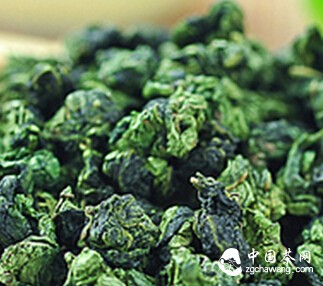
Anxi Tieguanyin spring tea buds around late March. It is harvested in four seasons annually, with the spring tea season from Grain Rain to the Beginning of Summer (mid-late April to early May), accounting for 40-45% of the year's total yield. Tieguanyin quality is best in autumn tea, followed by spring tea. The fresh leaf picking standard requires plucking two or three leaves after the tender shoot has formed a dormant bud and the top leaf has just unfurled into a small or medium open face. Harvesting must adhere to the "five don'ts": do not break the leaf blade, do not fold the leaf, do not crush the leaf tip, do not include single leaves, and do not include fish leaves or old stems. Leaves from tea trees growing in different areas must be separated, especially morning, noon, and evening harvests, which should be strictly processed separately, with noon harvests considered the highest quality.
Authentic traditional Tieguanyin must possess two key elements: natural raw materials and traditional production methods. However, the Tieguanyin commonly consumed or preferred by general consumers today lacks these two elements to varying degrees. Firstly, the tea tree growing environment must be excellent, such as fresh air, good vegetation, and suitable altitude. Secondly, the tea-making process must be traditional, such as using organic fertilizers, avoiding toxic pesticides, and minimizing the use of machinery in tea production.
Authentic traditional Tieguanyin has dry leaves exhibiting three color segments, an oily surface, and characteristics like a good sweet aftertaste, a thick and heavy mouthfeel, a clear "Yin Yun" (rhyme), and a warm, moist leaf bottom. High-quality Anxi Tieguanyin dry leaves may even have a white frost on the surface. To achieve these characteristics in Tieguanyin spring tea, only natural methods can accomplish it.
Finished Tieguanyin can be roughly categorized into three major types based on fermentation degree and production techniques: Fragrant Type, Rich Aroma Type, and Aged Aroma Type.
Fragrant Type Tieguanyin: The Fragrant Type has a relatively light taste with a slight sweetness on the tip of the tongue, leaning towards modern processing techniques. It currently holds the largest market share. Fragrant Type Tieguanyin is emerald green in color, with clear liquor, a rich and fragrant aroma, distinct floral notes, and a pure, mellow taste. As new tea is cooling in nature, excessive consumption may cause some degree of stomach discomfort or insomnia.
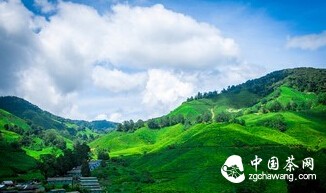
Rich Aroma Type Tieguanyin: The Rich Aroma Type has a mellow, full-bodied taste, a long-lasting high aroma, and a relatively strong sweet aftertaste. It is a product made from tea leaves processed using traditional techniques and then further processed by roasting. Rich Aroma Type Tieguanyin features characteristics like "fragrance, richness, mellowness, and sweetness." It has a dark, glossy appearance, golden liquor, a pure aroma, and a heavy, substantial taste. Compared to the Fragrant Type, Rich Aroma Type Tieguanyin is warming in nature and has effects such as quenching thirst, promoting saliva production, strengthening the spleen, and warming the stomach.
Aged Aroma Type Tieguanyin: Also known as aged tea or ripe tea, the Aged Aroma Type is made from Rich Aroma Type or Fragrant Type Tieguanyin经过长时间储存,并反复再加工而成,亦属半发酵茶叶。陈香型铁观音具有“厚、醇、润、软”等特点,表现为色泽乌黑,汤水浓郁,绵甜甘醇,沉香凝韵。其特质和口味接近普洱茶及红茶、黑茶,不仅口感浓厚、甘醇、爽滑,而且有沉重的历史与文化沉淀。
Charcoal-Roasted Tieguanyin: This is a variant of the Rich Aroma Type of Tieguanyin. It is also the final processing step that alters the quality of finished Oolong tea, involving the roasting process of Fragrant Type Tieguanyin leaves over charcoal. The roasting time, number of roasts, and heat level depend on personal taste and market demands.