The Three-Character Guide to Savoring Wuyi Rock Tea
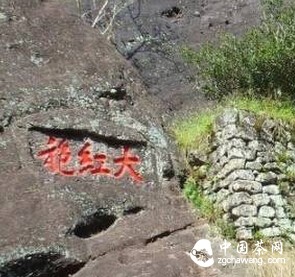
【Three Smells】
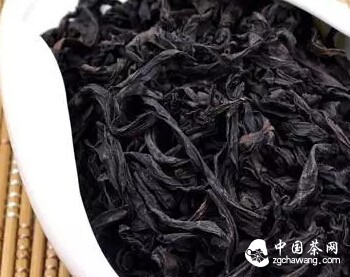
The Three Smells refer to smelling the tea when dry, hot, and cold.
Dry Smell: Primarily to identify the aroma type of the dry tea leaves, and to detect any stale, moldy, or other absorbed foreign odors.
Hot Smell: Refers to smelling the tea's fragrance immediately after brewing while it is still hot. Tea aromas can vary, including sweet, roasted, fresh, floral, chestnut-like, fruity, etc. Each aroma type can manifest as rich and mellow, clean and high, lively and fresh, elegant and subtle, sharp and pungent, pure and true, light and mild, or balanced and smooth.
Cold Smell: Refers to smelling the lid or the bottom of the cup after the temperature has cooled. This allows one to detect other scents that were masked when the tea's aromatic compounds were volatilizing at high temperatures.
【Three Observations】
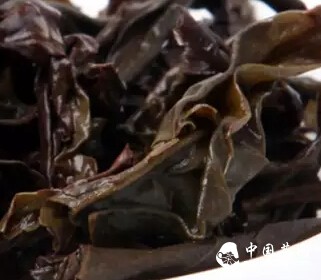
First Observation: The appearance, shape, and color of the dry tea leaves. Good Rock Tea should have a tightly rolled, heavy, and substantial form with even, full strips, free of impurities and yellow flakes. The color should be bluish-brown, glossy, and radiant like "precious light," with a close look revealing frog-skin-like sandy white spots on the leaf surface.
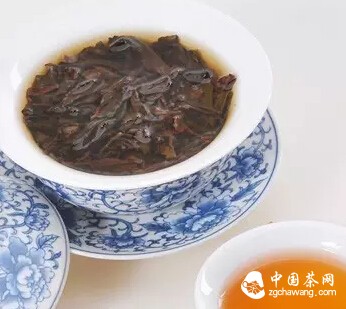
Second Observation: The liquor color. Good Rock Tea, after brewing, should have an orange-yellow or reddish hue, clear and bright, pleasing to the eye. Strong tea may present a bright amber color.
Third Observation: The brewed leaves (the tea dregs). This refers to the fully expanded tea leaves left in the pot after brewing and drinking. Good Rock Tea leaves should be soft after brewing, with edges showing a dark red color and the center displaying a clear greenish color tinged with yellow.
【Three Tastings】
The Three Tastings involve evaluating the inner quality of Rock Tea by savoring and "chewing the essence" of the tea liquor.
First Taste: The roasting level (fire skill), discerning whether it is "fully roasted," "over-roasted," or has a "raw green" taste. Fully roasted Rock Tea liquor has a caramelized sweetness, while over-roasted tea...
Second Taste: The flavor profile, assessing whether the tea liquor's taste is fresh and brisk, sweet and brisk, rich and mellow, mellow and full-bodied, pure and balanced, or thin and weak, plain and bland, astringent, or even bitter. Generally, good Rock Tea liquor feels smooth, lubricating, and lively upon entering the throat, with a pronounced sweet aftertaste.
Third Taste: The "Rock Rhythm" (Yan Yun). Appreciating the Yan Yun is the distinctive feature of drinking Wuyi Rock Tea. One must attentively and comprehensively perceive the four key elements within Wuyi Rock Tea: "Aroma, Sweetness, Purity, and Liveliness," especially the character of "Liveliness." Discern it carefully with the tongue, feel it from the depths of the throat, and be able to experience the delightful sensations of salivation under the tongue, sweetness returning in the mouth, refreshed spirit and clear mind, and a feeling of openness and ease.
【Three Aftertastes】
The Three Aftertastes are the sensations a tea drinker experiences after tasting the tea. After drinking truly good tea:
First, the base of the tongue savors a sweet aftertaste, filling the mouth with salivation.
Second, between the teeth and cheeks lingers a sweet and mellow fragrance that lasts all day.
Third, the throat enjoys a refreshingly sweet aftertaste, with energy channels feeling clear and unobstructed, as if the internal organs are being moistened, leaving one feeling relaxed, happy, and almost ethereal.
Wuyi Rock Tea should be carefully discerned through the Three Smells, Three Observations, Three Tastings, and Three Aftertastes.