★What is Pu-erh Tea?
Pu-erh tea originates from the Lancang River basin in southern and western Yunnan. It is made from the fresh leaves of Yunnan large-leaf tea trees, which are steamed and pressed into various compressed forms and then aged for a period to develop; or it is made from sun-dried green tea leaves of Yunnan large-leaf varietals, which undergo artificial post-fermentation to produce compressed Pu-erh or loose Pu-erh tea.
★What is Raw Tea?
Large-leaf tea leaves grown in Yunnan, after sun-withering (sun-drying), are directly pressed into cakes, tuo cha, or bricks. These are called raw cakes, raw tuo, or raw bricks. Unpressed leaves are called mao cha or raw tea.
★What is Ripe Tea?
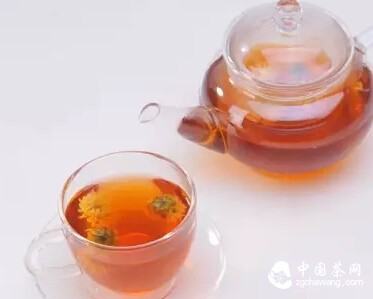
Large-leaf tea leaves grown in Yunnan, after sun-withering (sun-drying), undergo a piling fermentation process (wo dui) and are then pressed into shapes. These are called ripe cakes, ripe tuo, or ripe bricks.
★How to Distinguish Between Raw and Ripe Pu-erh?
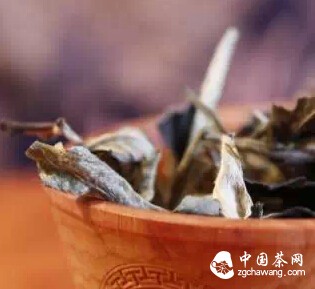
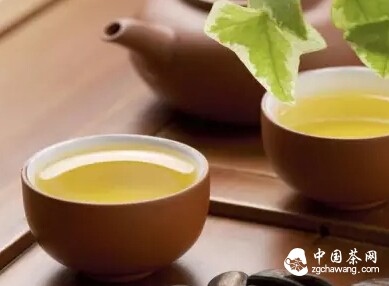
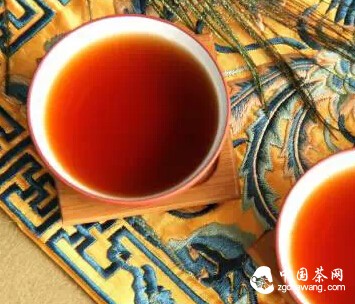
There are many ways to distinguish raw from ripe Pu-erh. Generally, in terms of appearance, raw Pu-erh under 10 years old is dark green, while ripe Pu-erh is dark brown. Secondly, by smell: raw Pu-erh has a light, fresh fragrance, while ripe Pu-erh has a deep, aged aroma. Finally, by liquor color: raw Pu-erh liquor is orange-yellow, while ripe Pu-erh is reddish-brown or dark chestnut color.
★Which Category Does Pu-erh Tea Belong To?
Pu-erh tea belongs neither to black tea nor to red tea. Because its production process and essential characteristics differ from the six major tea categories, the Yunnan Tea Association has appealed to the Chinese tea community and will seriously discuss with national experts: to classify Yunnan Pu-erh as a 're-processed special tea,' repositioning it within the spectrum of Chinese teas.
★What are Spring Tea, Summer Tea, and Gu Hua Tea? How to Distinguish Them?
Spring tea is harvested from February to April. The best quality is harvested within 15 days after Qingming Festival, often picking one bud and one leaf, with fine, white buds. Summer tea is harvested from May to July and is called 'rainwater tea.' If processed properly, its quality can approximate Spring tea. Autumn tea is harvested from August to October and is called 'Gu Hua tea' (Grain Flower tea).
(Article selected from the internet; copyright belongs to the original author)