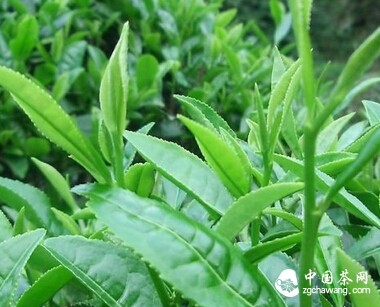
Tieguanyin belongs to what type of tea? Nowadays, many people enjoy drinking tea for health preservation. Tieguanyin is deeply favored in daily life due to its rich nutritional components and value. Despite this, some people still do not know what type of tea Tieguanyin is and what nutritional benefits it has. Below, the editor will tell you what type of tea Tieguanyin is.
What type of tea is Tieguanyin?
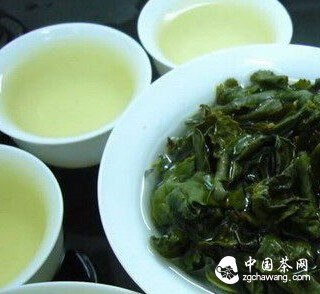
Many people have only heard of black tea, green tea, and scented tea, but do not know what type of tea Tieguanyin is. Tieguanyin was originally the name of a tea tree variety. Because it is suitable for making Oolong tea, its finished product is also named Tieguanyin. What type of tea is Tieguanyin? Tieguanyin belongs to the Oolong tea category (Oolong tea is also called green tea). Oolong tea combines the processing methods of green tea and black tea, possessing both the rich flavor of black tea and the fresh fragrance of green tea. Oolong tea is a semi-fermented tea. Commonly, when Tieguanyin tea leaves are brewed, the edges appear red while the center remains green, commonly known as "green leaves with red borders."
Nowadays, there is almost no fixed standard for tea because tea-making techniques are complex and diverse. Authentic Fujian people are very particular about drinking Tieguanyin; they call it drinking Gongfu tea. They use special tea sets and do not drink the first infusion, also called "opening the aroma," which is used to rinse the teacups. The teacups are about the size of wine cups, and one can finish a cup in a single sip. The main focus is on drinking the second to fifth infusions...
Tieguanyin is produced in Anxi County, Fujian Province. Anxi Tieguanyin is a top-rated domestic tea and one of the enduring top ten famous teas. Tieguanyin is rich in amino acids, offering a smooth taste with orchid fragrance, strong aroma, and a pleasant sweet aftertaste. It is praised as having "a lingering aroma even after seven brews."
Nutritional Benefits of Tieguanyin
1. Beauty, Weight Loss, and Anti-Aging
The crude catechin combination in Anxi Tieguanyin has strong antioxidant activity, which can eliminate active oxygen molecules in cells, thereby protecting the human body from aging and diseases. The content of manganese, iron, fluorine, potassium, and sodium in Anxi Tieguanyin is higher than in other teas, with fluorine content ranking first among all tea categories, making it particularly effective in preventing dental caries and senile osteoporosis. In 1979 and 1984, Japan experienced two waves of "Oolong tea fever," and Anxi Tieguanyin was hailed as "beauty tea" and "weight loss tea."
2. Socializing and Cultivating Temperament for a Good Mood
As a high-quality tea, Anxi Tieguanyin has unique effects in hospitality, socializing, and personal cultivation of temperament. Brewing Anxi Tieguanyin requires boiling water and washing cups, and the preparation process involves warm greetings between host and guests. While savoring the tea, guests chat with the host, creating a very harmonious and intimate atmosphere. Thus, the procedural brewing and drinking help calm the mind, which is beneficial for cultivating temperament and mood.
3. Cancer Prevention and Intelligence Enhancement
Anxi Tieguanyin has a high selenium content, ranking among the top in the six major tea categories. Selenium can stimulate immune proteins and antibodies to resist diseases and inhibit the occurrence and development of cancer cells. Meanwhile, Anxi Tieguanyin also has the effect of enhancing intelligence. British scientists have found that the acidity and alkalinity of human brain fluids are related to IQ. Tea is an alkaline beverage, and Anxi Tieguanyin is significantly alkaline. Therefore, regular consumption can regulate the body's acid-base balance and improve IQ. The high content of vitamins, caffeine, amino acids, minerals, tea polyphenols, etc., in Anxi Tieguanyin is closely related to brain development and has a positive impact on improving human intelligence.
Tieguanyin Storage Methods
For tea preservation, low temperature and vacuum sealing are generally required to ensure the color, aroma, and taste of Tieguanyin in the short term. However, in actual storage, it often happens that although the tea is not stored for long, its color, aroma, and taste are not as good as when first brewed. The reason lies in the degree of drying after tea fermentation. The adopted tea-making technology has shifted toward light fermentation, with Gande tea being a typical representative. In light fermentation, the tea easily exhibits a high orchid aroma, and the tea soup is also quite attractive (presenting a standard mung bean soup color). However, to allow the dry tea leaves to exhibit aroma, the tea is usually not baked too dry, retaining a certain moisture content. For such tea, attention must be paid to low temperature and sealing during later storage to reduce the effect of moisture on the tea leaves. If the tea is baked relatively dry, feeling crisp and dry to the touch, such tea has lower requirements for low temperature storage.