It's not just the messy affairs between people that are bizarre; the small world of tea is also blooming with all sorts of strange wonders~
Yellow Flakes
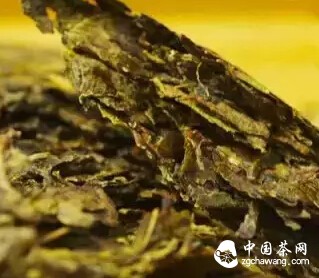
The "Yellow Flakes" mentioned here refer to the old leaves from ancient tea trees. Because most old leaves turn yellow over time, they are named "Yellow Flakes." These old leaves are tragically picked out during the raw material sorting process according to production standards because their strips are loose and large, and they do not form proper strips during rolling.
However, although "Yellow Flakes" don't look great, they are known for their sweet, mellow, and thick taste, as well as their enduring brewability. Moreover, they are not as harsh on the stomach as raw tea made from tender leaves, making them deeply loved by tea enthusiasts. This appearance-obsessed world should tremble a little.
Duck Shit Fragrance
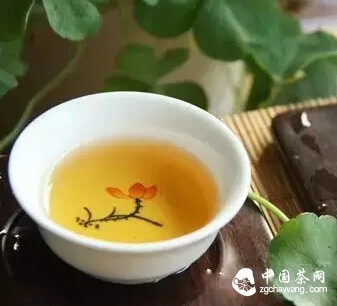
Don't dislike this name for being too rustic; this tea called "Duck Shit Fragrance" is one of the top-grade teas from Phoenix Mountain, the famous Big Dark Leaf Single Bush. Who doesn't have a bit of a dark history or an embarrassing childhood nickname!
The story goes that this nickname came about like this: The Big Dark Leaf Single Bush tea was originally introduced from Wudong Mountain and planted in a tea garden with "duck shit soil" (actually yellow soil). It grows dark blue leaves, and the leaf shape resembles that of the duck shit foot wood tree. After villagers drank this tea, they all said its aroma was good and its flavor strong, asking what variety it was and what fragrance type. The tea farmer, afraid it would be stolen, falsely claimed it was "Duck Shit Fragrance."
Bingdao Tea
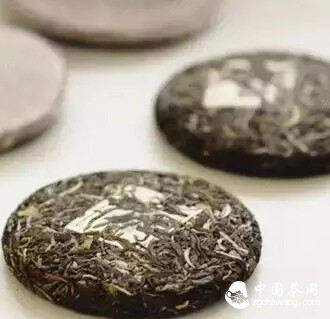
What, tea from the cold Iceland? If you think that, you're too "adorably naive"! The "Bingdao" in the tea circle is actually a small mountain village named "Bingdao Village" in Lincang, Yunnan. The Pu'er tea produced there is extremely famous and is one of the most precious Yunnan large-leaf varietal teas. It has nothing to do with that Nordic island country.
Beheading Tea
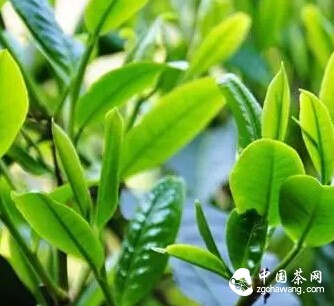
Oh my, drinking tea leads to facing "beheading"? Dear, that's an overreaction! So-called "Beheading Tea" refers to a "cruel" method invented by tea farmers in Yunnan's ancient tea tree areas to increase tea yield and facilitate picking—chopping off the upper part of the tea tree, leaving a tree one or two people tall. It still has nothing to do with that bloody scene.
Water Removal, Revival
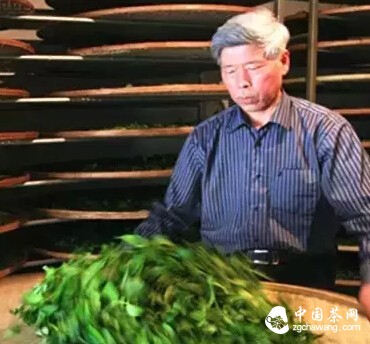
Ha, it's such a wonderful thing for tea to become popular. However, in the tea circle, "Water Removal" and "Revival" are not about popularity or some long-lost unique skill. They are two stages in the oolong tea processing technique: shaking the tea leaves is to allow better "water removal"—the process of making the tea leaves lose moisture and become soft. During air-drying, moisture from the stems begins to move into the leaves, bringing about the high fragrance of oolong tea. This "water return" process is vividly metaphorized as "revival."
Horse Hoof
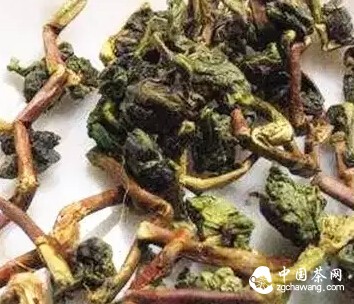
This "Horse Hoof" is not that "horse hoof" and has nothing to do with the grasslands. It actually refers to the hard knot at the base of the tea stem. It is mainly caused by improper picking by tea farmers—instead of gently pinching off the leaf stem, they forcefully pull and tear off the entire stem. The lignified part at the stem end becomes the "horse hoof" in the finished tea. So, "spring breeze得意, horse hooves疾" ah, hehe.
Throat Lock
After tasting tea, discomfort such as excessive dryness in the throat, difficulty swallowing, tightness, and itching occurs, making one feel uneasy and irritable. Usually, good tea does not cause a "throat lock" sensation; it is warm, smooth, and promotes continuous salivation.
Heart Burn
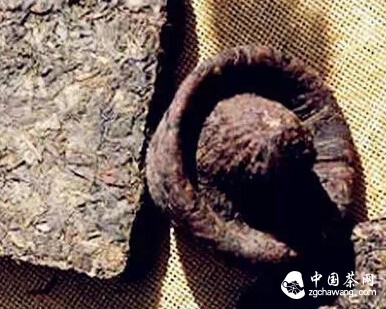
The term "Heart Burn" must not be used casually. When some seemingly professional tea merchants talk about fermentation causing heart burn, hearing that immediately gives me heart burn. "Heart Burn" refers to the result of poor technique during the processing of finished compressed tea. During pile fermentation, when the temperature in the center of the pile becomes too high, the raw tea undergoes carbonization. This is called "heart burn."
Water Path
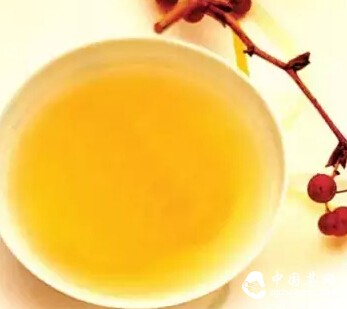
What is Water Path? If a tea's "water path" is coarse, it indicates that the raw material has thin substance and high lignin fiber content! High lignin fiber content means a relatively large proportion of hollow structure within the raw material, and its water-soluble extract content is similarly thin. This manifests in the taste as a sensation of astringency, roughness, dryness, and prickliness. Tea with a "coarse" water path has a flavor and aroma that are weak and float on the surface of the mouth, lacking penetration and permeation power. Consequently, the persistence of its flavor and aroma is poor and does not linger!
Tea friends, if you also know about the quirky talk in the tea world, welcome to share, and let's all gain knowledge together!