Is summer unsuitable for drinking ripe tea?
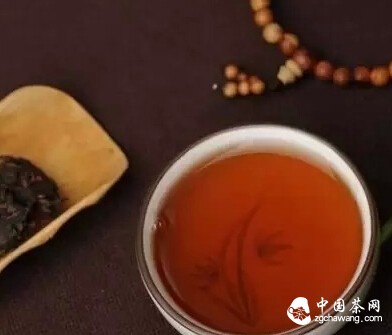
Not necessarily. The idea that summer is unsuitable for ripe tea is an assumption based on its reddish color, which feels 'hot' visually. But reality isn't so straightforward. Firstly, ripe tea is not 'heaty'. Tea is inherently cooling; through fermentation, ripe tea merely loses its cooling property, becoming at most warm. Therefore, drinking it won't make you feel hotter. Furthermore, modern environments with widespread air conditioning have changed. In summer, people wear light clothing, but homes, offices, restaurants, and cars are often air-conditioned, creating low temperatures. In such settings, drinking very cooling teas might be less reasonable. So, whether summer suits ripe tea depends on individual body constitution and living/working environments.
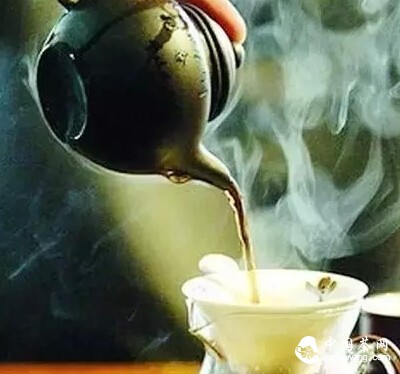
Some say they get 'internal heat' or diarrhea right after drinking ripe tea. What's going on?
This does happen. However, getting 'internal heat' isn't necessarily bad. Traditional Chinese Medicine discusses 'bringing to the surface' versus 'suppressing'. Symptoms like internal heat, blisters, or small sores are considered 'bringing to the surface', part of a treatment and adjustment process. From this perspective, it doesn't mean you're unsuitable for ripe tea; you should persist. Once toxins are 'surfaced' and expelled, the body reaches balance, and the heatiness will stop. Some people experience mild diarrhea when first trying ripe tea, similar to the heatiness principle. Symptoms usually disappear after a day or two of adjustment.
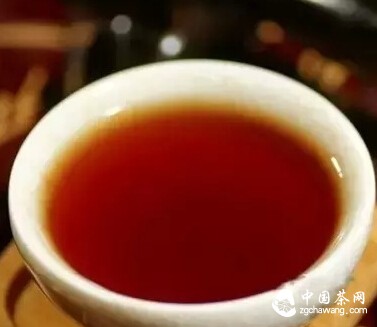
Can you drink ripe tea when it's cooled? What about overnight?
You can drink cooled ripe tea; it offers a different flavor. Theoretically, ripe tea has already been oxidized and won't oxidize again, so it won't spoil overnight like green tea. It's drinkable. From personal experience, I and friends have drunk overnight ripe tea many times with no adverse effects.
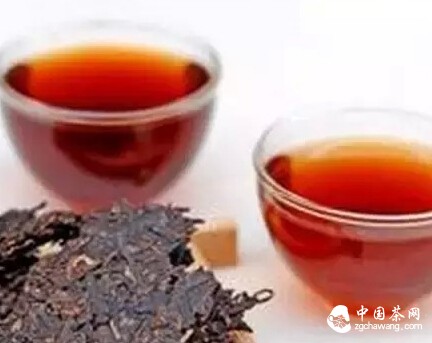
What are the health benefits of ripe tea?
Ripe tea has over 20 benefits, including warming the stomach, weight loss, lipid reduction, preventing arteriosclerosis and coronary heart disease, lowering blood pressure, anti-aging, anti-cancer, lowering blood sugar, antibacterial and anti-inflammatory effects, reducing smoke and heavy metal toxicity, anti-radiation, preventing dental caries, improving eyesight, aiding digestion, detoxification, preventing constipation, and relieving hangovers. Among these, warming the stomach, weight loss, lipid reduction, preventing arteriosclerosis and coronary heart disease, lowering blood pressure, anti-aging, anti-cancer, and lowering blood sugar are particularly notable.
Why does some ripe tea taste sour? How to handle sour tea?
Sourness in ripe tea can stem from several factors. First, raw material selection: tender tea leaves (like spring tea, whole buds, one bud one leaf) are more prone to sourness. Second, excessive water spraying during processing. Third, light fermentation (below 70% completion) has a high probability of resulting in sour tea. Fourth, low fermentation temperature, where the pile doesn't heat up sufficiently, making it hard for the tea to fully ferment, easily leading to light fermentation.
Sour ripe tea lacks enjoyable drinking pleasure and is best discarded. However, if reluctant to waste it, you can try storing it. During natural post-fermentation, the sourness might dissipate. The timeframe is uncertain—perhaps 3, 5, or 10 years. This is only a possibility, not a guarantee.
Article Source: Tea Art