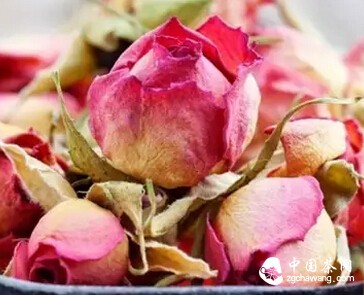
Rose Tea for colds, 5 health-preserving teas with high efficacy, detailed below. Roses are enchanting and beautiful, the preferred gift for Valentine's Day, but beneath their gorgeous appearance lie functions and effects many are unaware of. Friends who often buy tea at tea shops may notice brightly colored dried roses for sale, often overlooked due to unfamiliarity with their uses. In fact, dried roses are excellent food-medicine items. Women can frequently brew them in water, especially during menstruation to ease emotional instability, sallow complexion, and even dysmenorrhea.
Efficacy and Effects
Rose tea tastes sweet and is warm in nature, most notably for regulating qi, relieving depression, activating blood circulation, and dispersing stasis. It treats liver-stomach qi pain, recent and chronic wind-bi, vomiting blood, hemoptysis, irregular menstruation, leukorrhea with reddish discharge, dysentery, mammary abscesses, and swelling toxins. "Food Materia Medica" states it "benefits the lungs and spleen, benefits the liver and gallbladder; consuming its fragrant sweetness refreshes the spirit." It both activates blood to disperse stagnation and detoxifies to reduce swelling, thus helping eliminate facial acne caused by endocrine disorders. Long-term use by women offers excellent beauty effects, effectively clearing free radicals, eliminating pigmentation, and rejuvenating vitality.
Moreover, roses have a strong floral fragrance that can treat bad breath, aid digestion, eliminate fat, and assist in weight loss, best consumed after meals.
1. Rose Tea
Rose tea has a fresh scent, sweet taste, and is rich in vitamin C. It promotes blood circulation, metabolism, diuresis, and astringency, long renowned for beauty and skincare. Rose tea also regulates menstruation, relieves pain, and softens cardiovascular and cerebrovascular systems. It aids metabolism, suitable after meals or before sleep. If feeling unwell or experiencing stomach pain due to anger, rose tea can provide relief. Additionally, it alleviates cold and cough symptoms, reduces menstrual pain in women, enhances beauty, improves blood circulation, and prevents constipation.
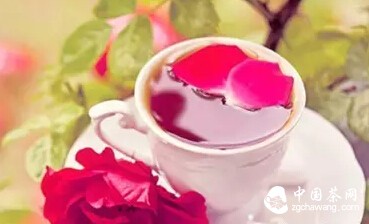
We know that rapid weather changes can overwhelm the body, potentially causing a cold. So why can rose tea help with colds? Because rose tea relieves depression and soothes emotions. Regular consumption is very beneficial, as rose tea nourishes the skin—promoting beauty and helping remove freckles.
2. Green Tea
Green tea is hailed as the "national drink" in China. Modern research confirms that tea contains biochemical components closely related to human health. It not only refreshes the mind, clears heat, relieves summer heat, aids digestion, reduces phlegm, cuts greasiness, promotes weight loss, calms irritability, detoxifies hangovers, promotes salivation, quenches thirst, reduces fire, improves vision, treats dysentery, and removes dampness but also has pharmacological effects on modern ailments like radiation sickness, cardiovascular diseases, and cancer. The main active components are tea polyphenols, caffeine, lipopolysaccharides, and theanine.
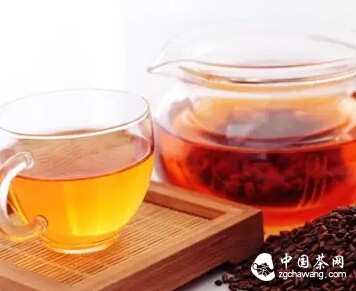
3. Cassia Seed Tea
Blood pressure-lowering effect: The water extract, fermented-water extract, and alcohol extract of cassia seeds all lower blood pressure in anesthetized dogs, cats, and rabbits.
However, the infusion shows no significant hypotensive effect in anesthetized rabbits, while 5 ml of cassia seed tincture significantly lowers blood pressure with longer duration; intravenous injection of the same amount of dilute alcohol also lowers blood pressure (recovery is immediate).
It inhibits isolated toad hearts and constricts blood vessels (lower limb perfusion method).
In chronic experiments, a decoction of 2 grams (raw herb)/kg daily showed no hypotensive effect. Antibacterial effect: The alcohol extract of seeds inhibits Staphylococcus, Corynebacterium diphtheriae, Salmonella typhi, paratyphi, and Escherichia coli, while the water extract is ineffective. The water infusion (1:4) inhibits some skin fungi to varying degrees in test tubes.
It contains chrysophanol, though in small amounts, possibly related to its mild antibacterial and laxative effects.
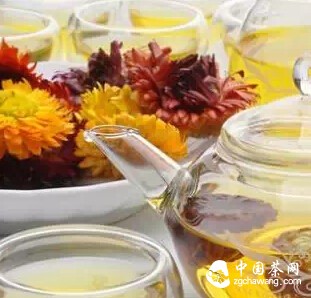
4. Chrysanthemum Tea
Chrysanthemum is a perennial herb of the Asteraceae family and a traditional Chinese medicinal material, primarily using its capitulum. Ancient texts record chrysanthemum as sweet-bitter and slightly cold; it disperses wind-heat, clears liver and improves vision, and detoxifies and reduces inflammation. It benefits conditions like dryness, excessive fire, eye discomfort, or pain and numbness caused by wind, cold, and dampness. It mainly treats wind-heat colds and headaches, preventing dizziness, headaches, and tinnitus.
Chrysanthemums include wild and cultivated varieties. Cultivated chrysanthemum clears liver and improves vision, while wild chrysanthemum dispels toxins and reduces fire. It is sweet-bitter and slightly cold, clearing heat and detoxifying, effective for eye strain, headaches, and hypertension. "Compendium of Materia Medica" details its efficacy: sweet and slightly cold, dispersing wind-heat, calming liver, and improving vision. "Shennong's Classic of Materia Medica" states white chrysanthemum tea "treats dizziness, swelling and pain, eye protrusion, dead skin muscles, and damp-bi; long-term use benefits qi, lightens the body, and prolongs life." Modern research confirms chrysanthemum lowers blood pressure, eliminates cancer cells, dilates coronary arteries, and inhibits bacteria. Long-term consumption increases calcium, regulates heart function, and lowers cholesterol. It also helps dry eyes from liver fire or overuse. Its rich fragrance refreshes the mind, relaxes nerves, and soothes headaches.
5. Honeysuckle Tea
Honeysuckle tea tastes sweet and is cold in nature, clearing heat, detoxifying, and dispersing wind-heat. It relieves sore throat, summer heat, and irritability, treating heatstroke, diarrhea, flu, boils, and swelling. It also addresses acute/chronic tonsillitis and periodontitis.
Honeysuckle stems, leaves, and flowers are medicinal, detoxifying, anti-inflammatory, antiseptic, antibacterial, diuretic, and anti-itch. Fresh flowers dried or processed like green tea become honeysuckle tea. Two types exist: one scented with fresh honeysuckle and a little green tea, and another blended with dried honeysuckle and green tea.