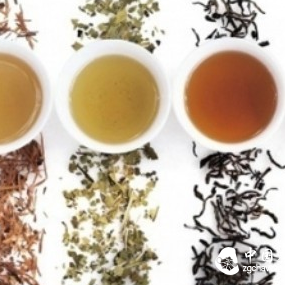
Six Colors of Tea: Each Color Has Different Health Benefits
Tea comes in six colors, each with unique health benefits. Green tea is cooling and detoxifying, ideal for those with internal heat. Black tea is warming and good for the stomach, suitable for people with cold body types. Oolong tea helps with weight loss, while Pu'er tea aids digestion and reduces...
Tea News · Jun 22, 2026
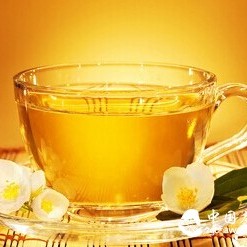
Essential Tea Selection Knowledge for Tea Drinkers
Different types of tea have different standards. Some teas, like Xihu Longjing, are best when fresh, while others, like Pu'er, improve with age. Selecting the right tea requires understanding its unique characteristics. This article covers the selection criteria for green tea, black tea, oolong tea,...
Tea News · Jun 19, 2026
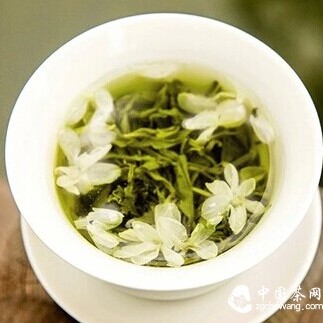
Entrust Your Body to Tea
According to the characteristics of human attention, entrepreneurs should take some time to rest during work. When reaching the limit of attention, give yourself a little time to relax the tense brain, such as drinking a cup of tea with colleagues and chatting. Ten minutes later, return to work. Thi...
Tea News · Jun 13, 2026
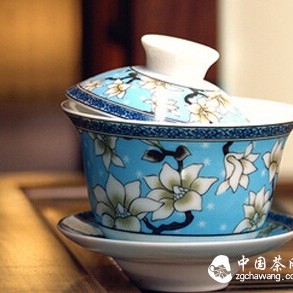
Six Types of Tea: Learn All About Them and Choose Your Cup
Chinese tea can be divided into six categories based on processing methods and the degree of fermentation: green tea (unfermented , white tea (lightly fermented , yellow tea (lightly fermented , oolong tea (semi-fermented , black tea (fully fermented , and dark tea (post-fermented . Their appearance...
Tea News · Jun 06, 2026
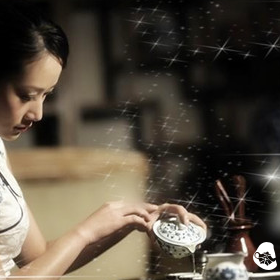
What Tea is Good for Long Hours in the Office?
Office workers often face prolonged exposure to computer radiation, which can harm the skin and various organs. With limited time for exercise, many turn to tea as a health aid. This article introduces several beneficial teas, including green tea for antioxidants and stress relief, goji berry tea fo...
Tea News · Jun 04, 2026
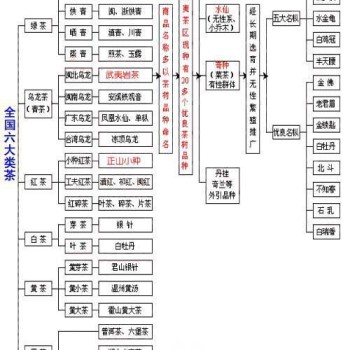
Understand China's Six Major Tea Categories in One Picture!
China's six major tea categories are classified by production method and fermentation degree: green (unfermented , white (lightly fermented , yellow (lightly fermented , oolong (semi-fermented , black (post-fermented , and red (fully fermented . Their appearance and liquor color shift from green to...
Tea News · Jun 02, 2026
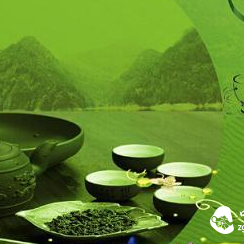
How to Distinguish Green Tea, White Tea, and Yellow Tea
Green tea is completely unfermented, retaining its natural green color through steaming or pan-firing. White tea is lightly fermented (10-20% , with silver-white buds and a sweet, mild flavor. Yellow tea, also lightly fermented, undergoes an additional high-temperature yellowing process, giving it a...
Tea News · May 28, 2026
What Exactly Is Tea?
Tea is more than just a beverage; it embodies mood and lifestyle. From the innocence of white tea to the wisdom of aged Pu'er, each variety reflects different life stages and personalities. Rich in cultural heritage, tea transcends its physical form to become a symbol of tradition and enlightenment....
Tea News · May 28, 2026
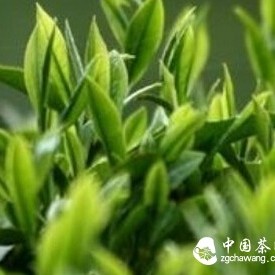
The Past and Present of Green Tea
Green tea, the foremost of the six major tea categories, has the longest history in China. Through continuous innovation and development, it is now made from fresh tea leaves or buds that are unfermented, processed through typical techniques such as pan-firing, shaping, and drying. Legend traces its...
Tea News · May 27, 2026
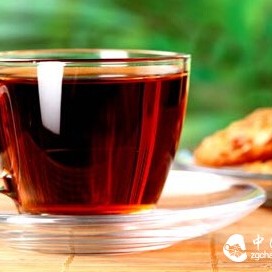
Drinking Tea by Time of Day
According to traditional practices, drinking tea is best suited to different times of the day. In the morning, black tea helps promote blood circulation and dispel cold. In the afternoon, green or oolong tea can alleviate liver heat and aid detoxification. In the evening, dark tea like Pu'er aids di...
Tea News · May 27, 2026