When using a purple clay teapot, its surface may undergo slight changes due to the nurturing of tea liquor. However, sometimes tones completely different from the body's base color can appear, similar to mildew spots on clothing—something an cleanliness-loving editor like me cannot tolerate; the teapot body must maintain a uniform color tone. Today, I learned that "black spitting" in purple clay teapots is not due to insufficient cleaning on my part, and it actually indicates that the teapot is made of genuine purple clay. Let's explore the reasons behind "black spitting" in purple clay teapots!
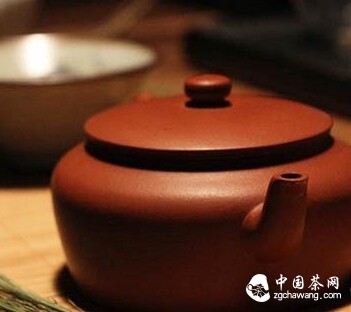
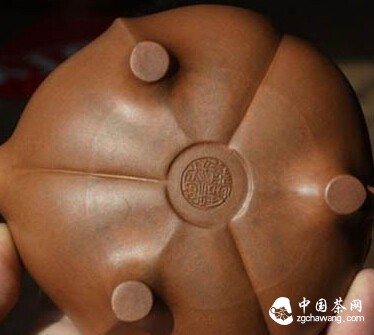
If your purple clay teapot darkens locally or overall after a period of use and nurturing, this is commonly referred to as "black spitting." "Black spitting" can sometimes be evenly distributed across the entire surface of the teapot, appear in banded patterns, or concentrate in specific areas (commonly seen on the rim of the lid or the base).
There are typically two reasons for "black spitting" in purple clay teapots. The first is insufficient firing temperature (underfiring) during production, which prevents the clay from fully contracting, resulting in overly loose and large pore density in the body. This allows iron ions from the chlorophyll in tea liquor to seep into the pores, forming a different tone from the base clay.
Different clay types and crafting techniques require different firing temperatures. Sometimes, due to inadequate firing temperature or slightly short firing time, the clay does not fully contract. If a purple clay teapot shows obvious localized "black spitting," the condition may be more noticeable. This only indicates possible flaws in temperature or time control during firing and is generally unrelated to the potter's skill.
Currently, kilns for firing purple clay teapots in Yixing are privately operated. Typically, potters can only specify the desired firing temperature and duration for their teapots but cannot control the actual firing process. Moreover, slight variations in temperature are nearly indistinguishable from the finished product itself.
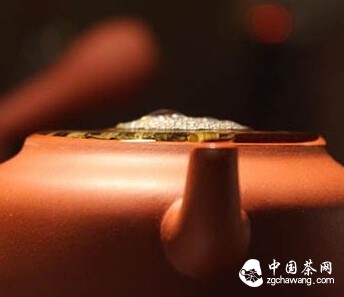
Therefore, even master potters cannot guarantee that their teapots will never exhibit localized "black spitting." It can only be said that kilns might pay more attention when firing works by masters.
The second reason, as those familiar with purple clay teapots know, is that purple clay is called the "holy vessel for brewing tea" because its unique double-pore structure, formed after high-temperature firing, provides excellent breathability and heat retention. The so-called "black" is actually tea stains and iron ions from tea leaves. During use, tea stains accumulate in the microscopic pores on the teapot's surface, and iron ions from the tea easily deposit into these pores. Over time, "black spitting" forms.
Thus, theoretically, any genuine purple clay teapot will eventually "spit black." Any clay type, with prolonged use, will exhibit some degree of black spitting unless the material is not genuine purple clay. The longer a purple clay teapot is used for brewing tea, the darker its body color becomes. However, the extent of "black spitting" varies due to factors like the teapot's original color depth, the location of spitting, the type of tea brewed, and the user's teapot-nurturing habits. Some spitting may be invisible to the naked eye, while some is more apparent.
If the teapot body darkens uniformly, it is generally considered a positive change. Of course, whether "black spitting" is even also depends significantly on the user's nurturing habits. It is recommended to apply tea liquor evenly during nurturing, rinse thoroughly after each use, and gently wipe with a soft cloth to gradually develop a luster. Some may dislike the effect of localized "black spitting," finding it detracts from the teapot's appearance. Conversely, however, "black spitting" serves as evidence that you are using a genuine purple clay teapot.
Misconceptions About Black Spitting:
Is "Black Spitting" Harmful to Health?
Understanding the composition of the "black" makes it clear that "black spitting" is completely harmless to health. It is merely a matter of personal preference; some dislike the localized effect, considering it unsightly. However, as mentioned, "black spitting" conversely proves you are using a genuine purple clay teapot.
Does "Black Spitting" Indicate a Fake Purple Clay Teapot?
Any clay type will show some degree of black spitting with prolonged use, unless the material is not genuine purple clay. The longer a purple clay teapot is used, the darker its body becomes. Darker clays (like purple clay) make spitting less visible due to their deep base color. Lighter clays (like duan clay) show spitting more clearly. Additionally, compared to other clays, duan clay requires higher firing temperatures. Thus, "black spitting" is relatively more noticeable on duan clay teapots.
Different teas also affect the "black spitting" outcome. Simply put, lighter tea liquor results in lighter spitting; darker tea liquor leads to darker spitting. Therefore, duan clay teapots are generally more suitable for brewing tieguanyin and less so for dark tea, unless one specifically seeks the distinctive "black spitting" effect.
Methods to Remove "Black Spitting" from the Teapot Body:
Since the "black" consists of tea stains and iron ions, if you insist on removing it, methods do exist.
Because "black spitting" in purple clay teapots penetrates the pores of the clay, ordinary cleaning cannot eliminate it. The only way to remove it is re-firing. Re-firing can eliminate the "black" because, under high temperature, organic substances like tea stains and iron ions burn away, restoring the teapot to its original appearance. However, note: First, ensure the teapot is thoroughly dried before re-firing—even then, there is a risk of cracking. Second, re-firing carries risks, with a breakage rate of approximately 5%-10%. Moreover, black spitting may still recur after subsequent tea brewing.
Author: Juxingyuan