The iron kettle, also known as an iron teapot, is a vessel for boiling water used in tea ceremonies. Tea drinking is an activity that balances movement and stillness: waiting quietly for the water to boil, then actively brewing the tea. When drinking alone, one can quietly ponder personal matters. After a few cups, worries likely drift away with the steam rising from the teacup. Gathering with friends to drink tea and discuss matters, sometimes expressing diverse opinions, sometimes quietly savoring the tea, closing eyes and rolling the tongue, exhaling a delicate fragrance, is also quite enjoyable. With many tea lovers in China, tea culture is naturally vast and inclusive. Therefore, tea enthusiasts nowadays often equip themselves with several iron kettles. Iron kettles are gradually becoming more widespread in China.
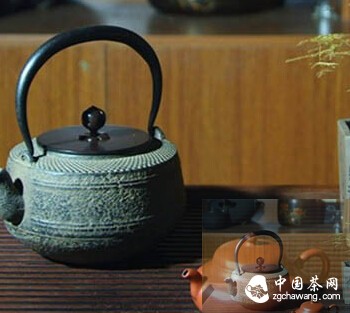
Different from purple clay teapots, people appreciate iron kettles not only because they are carriers of culture and beautiful objects to admire and handle, but more importantly, for their ability to condition water. We nurture purple clay with water and tea, enamored by its fine, smooth texture and the beauty and enjoyment its form brings, which is naturally excellent. The iron kettle, however, not only offers aesthetic pleasure through its form but also makes water sweeter and more substantial, causing tea brewed with water from an iron kettle to feel as if sublimated.
Ordinary people might perceive little difference, but for tea connoisseurs and enthusiasts, the distinction is indescribably wonderful. The iron kettle is a tea vessel with a spirit. This isn't to say it has an actual soul, but rather that iron is a 'living' material prone to rusting—hence the playful remark. Because iron kettles are made of cast iron, they tend to rust. It is precisely this reactivity that removes odd tastes from water and preserves its sweetness. Due to this characteristic, iron kettles differ from other tea ware and require extra attention to usage and maintenance methods.
Nowadays, with the internet being highly developed, one can ask Google for foreign matters and Baidu for domestic ones. Anything unclear can be answered by clattering away on the keyboard. However, it is annoying that some half-informed individuals pretend to be experts, calling a stag a horse. A perfectly good iron kettle can be rendered unusable, only fit for display, by their misguided methods.
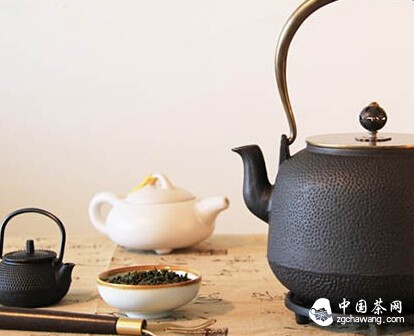
Here, regarding the use and maintenance of iron kettles, I will briefly explain one or two points based on my professional expertise to set the record straight.
First, prepare a scouring pad, a lid lifter, a kettle stand (or pad), and a heat source (an electric ceramic hob is preferable—though it heats slowly, it maintains a constant temperature. An induction hob is also acceptable, a charcoal stove is best, but a gas stove must absolutely not be used).
Cleaning: Japanese kettles have shell powder and walnut oil inside to prevent rust during transport and storage; domestic kettles may have iron rust. Use a scouring pad under running water to repeatedly clean the inside and outside of the kettle until the water runs clear and clean.
Boiling water: Fill two-thirds with water, tilt the lid, and wait quietly for the water to boil. At this point, the lid is extremely hot. Turn off the heat, use the lid lifter to place the lid properly, hold the kettle with one hand and press the lid with the lid lifter in the other, pour out all the water, then use the lifter to remove the lid. Wait for the kettle to cool until it's not hot to the touch, then pour in two-thirds fresh water and boil again. Repeat this two to three times until the water runs clear and odorless before use.
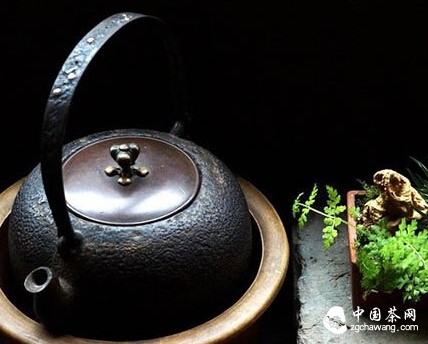
During the boiling and cleaning process, absolutely avoid putting anything other than clean water into the kettle, especially tea leaves. This is because the tannic acid in tea reacts with the iron elements in the kettle, producing iron tannate. Although this substance is harmless to humans, because the kettle's interior has many pores, it easily adheres, causing the boiled water to develop an odd taste that is extremely difficult to remove. At that point, the iron kettle would only be for display, not for use.
The water-conditioning ability of an iron kettle mainly relies on the reactivity of the iron and its porous internal structure to adsorb impurities and strong oxidants (like bleach) from the water, thereby adjusting the water's taste. (Bleach makes water taste bitter and astringent, while water containing iron tastes sweet.) This also means that iron kettles with internal coatings have no water-conditioning ability whatsoever. If industrial coatings are used, they can affect the water's flavor and taste and even cause harm to human health. Therefore, when selecting an iron kettle, those that claim the interior won't rust even after eight hundred years of boiling water must absolutely not be used.
Maintenance: When you do not plan to use the iron kettle again for the day, please pour half a kettle of water, tilt the lid, bring to a boil, use the lid lifter to remove the lid, pour out all the water inside, and let the residual heat of the kettle body dry the interior. If you don't have time to boil water, you can also just fill it with water and leave it. If the water poured out the next day has a rusty color, scrub it, boil water, and discard it. Iron rust is harmless to humans, so rest assured. But absolutely avoid dry boiling!
Many friends like tea ware with an oily, smooth surface and often apply cooking oil inside and outside the iron kettle. This method is a major taboo. Must not do it!
If you want the iron kettle's surface to look nice, wipe it with a clean, damp cloth. An iron kettle that is frequently used and wiped will develop a dense oxide layer on the surface, which not only prevents rust but also looks glossy and attractive.
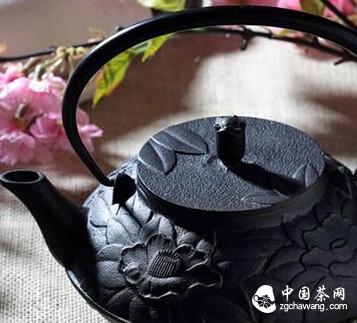
When selecting an iron kettle, pay close attention to the manufacturer's promotional claims. Be skeptical of any that boast about producing for Japanese brands. According to Japanese law, iron kettles manufactured outside Japan cannot be imported. Therefore, such claims are unfounded and raise doubts about their truthfulness. Additionally, iron kettles are cast from pig iron, either by sand casting or lost-wax casting. Although the processes differ, they are ultimately tea vessels. However, the raw material for the iron kettle is most important.
Japanese iron kettles all use "New Japanese Iron." The raw material is primarily iron blocks formed by casting, later remelted and cast, combined with proprietary techniques. This results in varied external forms, but water-conditioning ability remains their soul.
Domestic iron kettles are hard to distinguish between good and bad. Some manufacturers, to reduce costs, use gray cast iron containing industrial scrap iron. Although exquisitely shaped, they are extremely harmful to humans.
Better domestic iron kettles use food-grade white cast iron. Boiling water with them produces no odd taste and results in a sweet flavor. Poorer domestic iron kettles, even with various internal coatings, produce water with an odd taste that is often undrinkable.
I hope everyone pays extra attention when selecting an iron kettle!
Author: A Ning