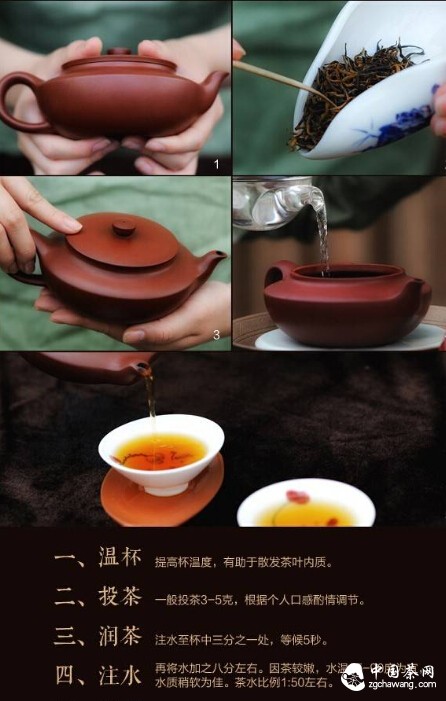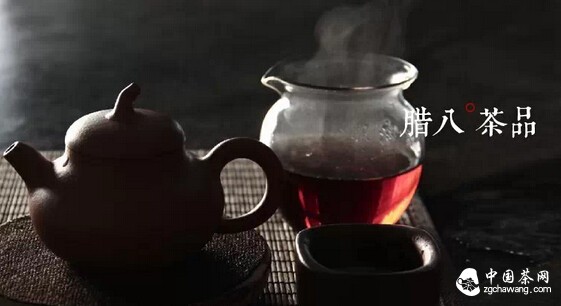
Elegant and古朴, earth and gold contend in value. The culture of purple clay art has a long history. Thinking back to Su Dongpo's time, a pot of good tea, three or five friends, sitting and discussing the Dao, facing ink and wielding brushes—the refined life of literati was brought to its fullest expression. Today, modern people living in a materialistic society need even more this kind of回归 to such a realm. And this回归, perhaps, begins with a cup of tea, a clay teapot...
Today is the Laba Festival, commonly known as "Laba," referring to the eighth day of the twelfth lunar month. The Laba Festival is a day for offering sacrifices to ancestors and deities, praying for丰收 and吉祥.
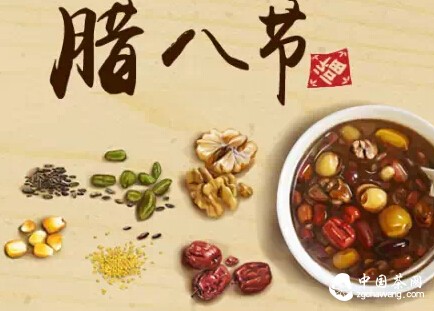
"Laba"—Theories of Origin
The Laba Festival, also known as the La Day Sacrifice, Laba Sacrifice, Wanghou La, or Buddha's Enlightenment Day, originally was an ancient sacrificial ceremony celebrating the harvest and giving thanks to ancestors and deities. Besides activities to worship ancestors and deities, people also performed rituals to驱逐 epidemics. According to "Shuowen Jiezi": "The La sacrifice to all deities is held on the third Xu day after the Winter Solstice." Thus, the third Xu day after the Winter Solstice was once La Day. Later, due to the involvement of Buddhism (Laba is the day佛祖 Sakyamuni attained enlightenment), La Day was changed to the eighth day of the twelfth lunar month, and this custom has been passed down since.
There are讲究 to eating Laba porridge; there's always one适合 you. Laba porridge is "rich in content." In the past, drinking Laba porridge on the eighth day of the twelfth lunar month seemed merely a folk custom, a habit. After a thousand years of传承 and development, today's Laba porridge features diverse ingredients, is营养丰富, and also represents the essence of traditional Chinese health preservation culture.
Qing Dynasty nutritionist Cao Yanshan wrote "Zhou Pu" (Porridge Manual), explaining in detail the health and nutritional functions of Laba porridge. It regulates nutrition, is easy to absorb, is an excellent product for "dietary therapy," and has the effects of harmonizing the stomach, tonifying the spleen, nourishing the heart, clearing the lungs, benefiting the kidneys, benefiting the liver, relieving消渴, improving eyesight, promoting bowel movements, and calming the nerves. These have all been confirmed by modern medicine.
Longan Laba Porridge
Suitable for体质: Qi deficiency, blood deficiency, and Yang deficiency
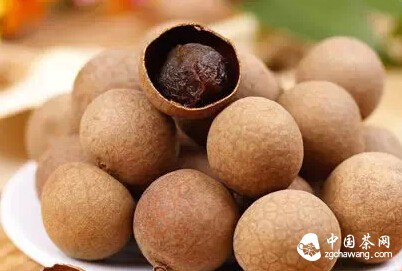
Longan is warm in nature and sweet in taste, benefits the heart and spleen, and tonifies qi and blood; it has excellent nourishing and tonifying effects. Therefore, Laba porridge for this type首选 Longan as an ingredient. In addition, ingredients like red dates, peanuts, red beans, brown sugar, ginkgo nuts, and goji berries are all good foods for tonifying blood and warming Yang. They can be combined with Longan and cooked together with粳米 to make Laba porridge, which is a great recipe for驱寒保暖.
Coix Seed (Job's Tears) Laba Porridge
Suitable for体质: Damp-heat
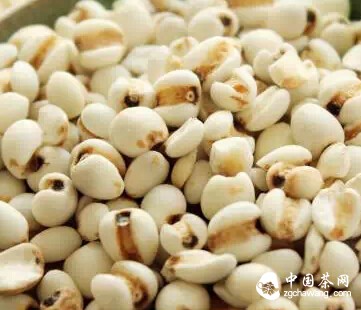
Coix seed has the highest fiber content among grains, which helps eliminate excess waste from the body. Coix seed is rich in water-soluble fiber, which can reduce the intestine's absorption rate of fat, thereby lowering blood fat concentration. Therefore, Laba porridge with Coix seed as the main auxiliary ingredient is suitable for people who often drink alcohol and have应酬 with rich food.
Oat Laba Porridge
Suitable for体质:平和 (Balanced)
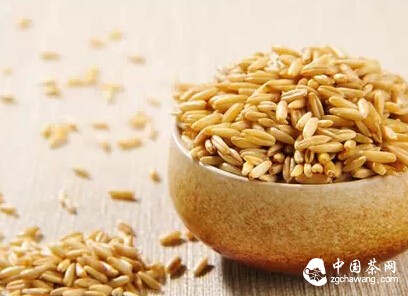
Oats have the effect of lowering blood cholesterol concentration. After consuming oats, the rise in blood sugar can be slowed down. Adding oats to carbohydrate foods can inhibit the rise in blood sugar. Therefore, for patients with diabetes and diabetes combined with cardiovascular diseases, it's advisable to put some oats in the porridge. Diabetic patients最好 not add sugar when drinking Laba porridge. If they want something sweet, they can add甜味剂 like stevia or xylitol.
The Traditional Chinese Health Secret of Tasting Tea for养生 Those who understand tea tasting not only represent较高修养 but also practice a good method of "nourishing the heart." Buddhism speaks of "茶禅一味" (tea and Zen share the same flavor), using tea tasting as a tool to放下功利 and calm the inner mind. It is a process of nourishing the heart. Drinking tea can regulate the spirit, thereby achieving the effect of养生. The common saying "firewood, rice, oil, salt, sauce, vinegar, tea" places tea last, demonstrating the wisdom of the ancients. Nourishing the body, nourishing the heart—tea tasting is养生 at a higher spiritual level; it savors life, it savors nature.
Oolong Tea
Suitable for体质: Internal heat (上火), can moisten the lungs
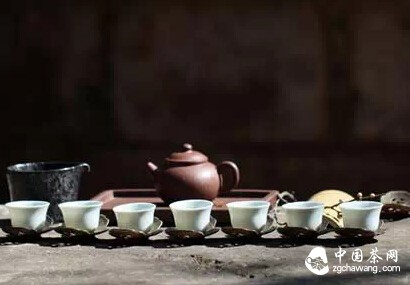
Oolong tea is a semi-fermented tea,介于 green and black tea之间, with a bluish-brown color, hence also named "青茶" (blue/green tea). In terms of flavor, Oolong tea has both the freshness and natural floral aroma of green tea and the醇厚 taste of black tea. It is neither cold nor hot, moderately warm, and therefore has the effects of moisturizing the skin and throat, promoting salivation, and clearing accumulated heat from the body, helping the body adapt to changes in the natural environment. In winter, indoor air is mostly dry, and people are prone to chapped lips and dry mouth. Brewing a cup of Oolong tea at this time can alleviate the苦恼 of dryness.
Black Tea
Suitable for体质: Nourishes the stomach and strengthens the spleen, undoubtedly the首选 tea for winter
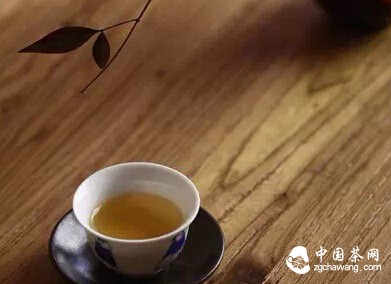
Black tea is sweet and warm,它可以 nourish the body's Yang energy; black tea is rich in protein and sugar,它 generates heat and warms the abdomen, enhancing the body's ability to resist cold; black tea also aids digestion and removes greasiness. Additionally,常用 black tea for gargling or drinking directly can prevent流感, which is also very necessary in winter. As black tea is a fermented tea with弱刺激性, it is especially suitable for people with weak肠胃 and constitution.
Dark Tea (Hei Cha)
Suitable for体质: Lowers blood lipids, warm in nature
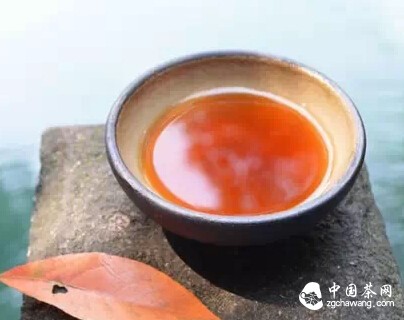
Pu-erh tea is a type of Dark tea, possessing all the biochemical characteristics of other tea categories. However, because Dark tea differs from other teas in terms of raw material selection and processing techniques (fermentation, fungal growth), this leads to the composition and比例 of Dark tea's biochemical components and the resulting pharmacological functions having特殊性.