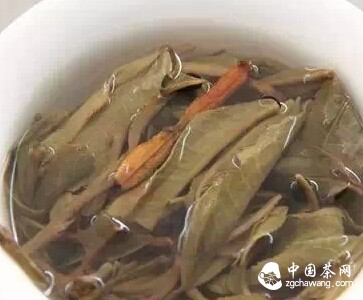
For someone who has just started to like tea, the name Banzhang is often heard, but the domineering character of Banzhang is not something everyone can accept. Is there any way to remove the bitterness and astringency from the tea?
There has always been a saying in the tea world: Banzhang is the king. Banzhang has long been famous in the tea community for its strong tea energy and wild mountain aura. The editor has only heard of its name but never tasted it, always itching with curiosity, waiting silently for an opportunity. A few days ago, I came across a tea cake with the simple inscription: Three Old Banzhang Trees. My eyes lit up immediately—the opportunity had finally arrived.
My first encounter with Banzhang: the tea cake had thick, sturdy strips, with fat buds covered in fine hairs. A light sniff revealed a wild, mountain aroma rushing to my nose. Unable to wait for a closer look, I picked up a tea needle and pried off a small piece, about 8g. Brewing it with 100°C boiling water, I rinsed the tea once and poured out the liquid. A gentle sniff confirmed its strong tea energy. Taking a sip, the taste was truly hard to accept—bitter, so bitterly strong that I almost spat it out immediately.
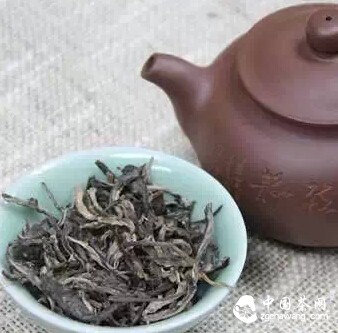
Is this the taste of Old Banzhang? Or did I make a mistake in brewing? Too much tea? Too slow in pouring out the water? Or was the brewing method wrong? So, I took the tea needle again and pried out about 5g of tea leaves. This time, when pouring water, I let it flow slowly along the edge of the gaiwan, allowing the hot water to soak the tea leaves from bottom to top. I poured out the tea after 3 seconds. This brew was much lighter in color than the previous one, but the taste was still too bitter and astringent, somewhat hard to accept. Is this really Old Banzhang?
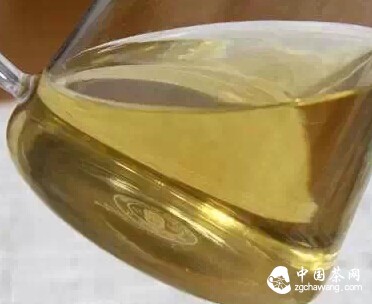
So, with all these questions, I went to find Old Liao, an experienced tea master. After listening to my description, Old Liao smiled and said: "Young friend, 'Three Old Banzhang Trees' means the tea cake was made from leaves picked from just three trees. Your brewing method wasn't wrong either. Pure Old Banzhang does have this bitter and astringent taste. To reduce the bitterness and astringency of good Banzhang, besides adjusting the amount of tea and the brewing method, you can also add something to the tea—crab feet. This thing is like 'MSG' for tea; it can reduce the astringency in the tea soup."
After saying this, Old Liao took out a box of crab feet from behind him and immediately brewed a pot of Old Banzhang "with added ingredients." Truly a master's handiwork—even before picking up the teacup, the aroma of tea rushed to my nose. Taking a sip, although the bitterness and astringency were still present, there was a sweetness in the tea soup that caused the astringency to dissipate quickly. Astringency with sweetness—in no time, I finished the entire cup of tea soup.
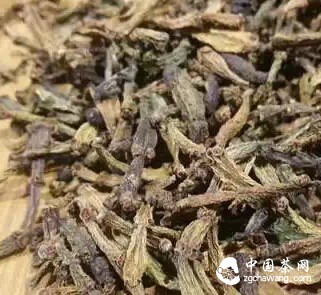
Old Liao also told me that besides flavoring tea, these crab feet can be used by saving the tea dregs and adding them to chicken soup to simmer together, making a very tasty broth. Moreover, crab feet are also a type of traditional Chinese medicine, a very precious treasure. Who would have thought that such small crab feet could have such extensive uses? It seems there is still much to explore and learn in the tea industry. Only through continuous learning can one become a true tea lover.