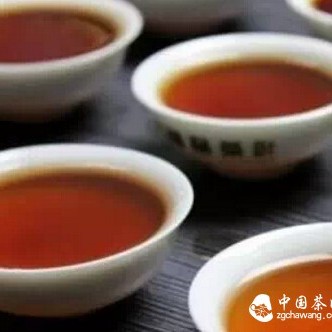
How to Understand 'No Bitterness, No Astringency, No Tea'
The saying 'no bitterness, no astringency, no tea' reflects that bitterness and astringency are inherent flavors of tea, originating from compounds like caffeine and tea tannins. However, the true pleasure of tea tasting lies not in these initial sensations but in the subsequent transformation—the r...
Tea News · Apr 14, 2026
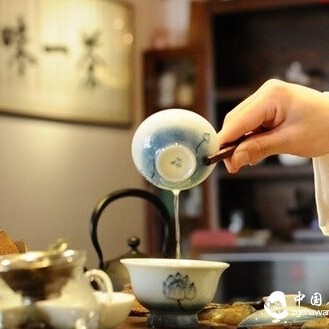
What should be paid attention to when drinking new tea?
For experienced tea drinkers, evaluating new tea involves paying attention to several key aspects. Firstly, assess the initial sensation upon entry: is it pleasantly light or unpleasantly bitter? While some bitterness is expected, the tea should still offer a gentle, agreeable feel. Secondly, observ...
Tea News · Apr 06, 2026
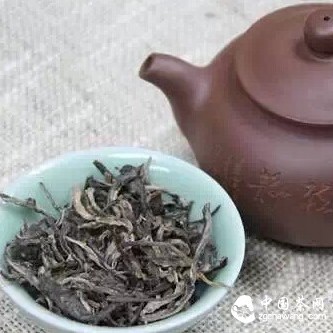
Small Methods to Remove Bitterness and Astringency from Tea
For beginners who find the renowned and powerful Laobanzhang tea too bitter and astringent, there are several methods to mitigate these strong flavors. Adjusting the amount of tea leaves, modifying brewing techniques such as water temperature and steeping time, and pouring water along the edge of th...
Tea News · Mar 31, 2026
The Secrets You Must Know About the Bitterness and Astringency of Pu-erh Tea
The bitterness and astringency in Pu-erh tea are inherent characteristics found in all tea varieties worldwide, varying only in intensity and prominence. These flavors primarily originate from the tea leaves themselves and chemical changes during the manufacturing process. For Pu-erh tea, aging over...
Tea News · Mar 24, 2026
Correctly Understanding the Bitterness and Sweet Moistness of Tea
The saying 'tea without bitterness and astringency is not tea' reflects that these qualities are inherent to tea, historically called 'bitter tea.' However, tea appreciation focuses not on the bitterness itself but on the subsequent sensations of returning sweetness (回甘 and salivation (生津 that the...
Tea News · Jan 21, 2026
Why Some Pu-erh Tea Remains Bitter and Astringent Without Transforming
Some Pu-erh teas exhibit persistent bitterness and astringency that do not transform into sweetness, which can be unpleasant. This issue often stems from the tea's growing conditions. Teas from plantations using chemical fertilizers, pesticides, or herbicides tend to produce a 'dead' bitterness that...
Tea News · Dec 10, 2025
Good New Tea Is Chosen Like This
Selecting high-quality new tea involves evaluating several key aspects. First, the tea soup should have a light and gentle entrance, with a clean sweetness rather than overwhelming bitterness. While some bitterness and astringency are expected, they should quickly transform into a sweet aftertaste o...
Tea News · Sep 11, 2025
1