The awakening methods for raw Pu-erh tea and ripe Pu-erh tea are different, and the significance of awakening tea during storage versus before brewing also varies.
1. If raw Pu-erh tea is stored in an open environment, it generally does not require awakening. However, an open environment can easily become humid, which may harm the tea's quality. If raw Pu-erh tea is stored in a sealed environment, it also does not need awakening, as the tea is essentially "dead" and cannot be revived. Therefore, raw Pu-erh teas that require awakening are those stored in purple clay jars or semi-sealed containers (such as cabinets with gaps)—often referred to as dry-stored teas. Awakening method: Take the raw Pu-erh tea you plan to drink and place it in an open environment for about half a month to a month, but do not break it apart. When dismantling the tea, work around the edges, consuming the outer layers from the same period first before moving to the inner layers. (If you live in an area with low humidity, teas stored in an open environment are also considered dry-stored and may not require awakening).
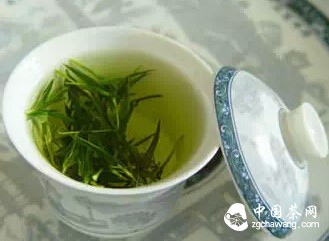
2. All ripe Pu-erh teas require awakening, especially those with recent production dates, as they tend to have a strong fermentation odor. The awakening method involves breaking up the entire tea cake and letting it rest for about a week before consumption. In fact, the storage environment has little impact on ripe Pu-erh; just avoid excessive humidity. The awakening of ripe Pu-erh is solely to dissipate the fermentation odor, which is entirely different from the awakening process for raw Pu-erh tea.
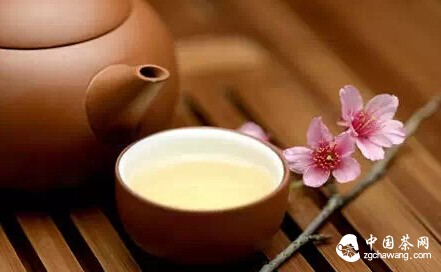
3. Awakening tea before brewing is often referred to as rinsing or warming the tea. Place the tea leaves in the teapot, pour hot water over them, and discard the water after about 10 seconds. The purposes are: 1. To raise the temperature of the tea leaves and brewing vessel; 2. To moisten and soak the tea leaves, helping them unfurl and release their flavor. However, based on personal experience and comparison during actual brewing, I believe there is not much difference. It seems more like a ceremonial step, and I generally skip it. This awakening process has a greater impact on fragrant Tieguanyin tea. However, these two types of tea differ significantly in quality and appreciation, so I feel that pre-brewing awakening is unnecessary for Pu-erh tea.