In Eastern aesthetics, there is the concept of 'Zen and tea sharing the same flavor.' Incorporating tea leaves into dishes not only adds the fragrance of tea but also brings an ethereal quality to the 'flavor of worldly life.' Eating tea is less about savoring its aroma, sweetness, and bitterness, and more about tasting the essence of spring.
How to make nutritious tea cuisine? To not keep friends waiting, Bear Two will serve the dishes first before going into a long explanation.
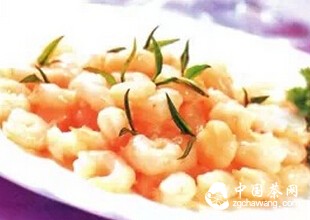
1. West Lake Dragon Well Shrimp Balls
Ingredients: West Lake Dragon Well tea, large sea shrimp, oatmeal
Dish characteristics: The shrimp are jade-white, the tea leaves are emerald green, combining Eastern and Western elements, offering a rich taste upon entry.
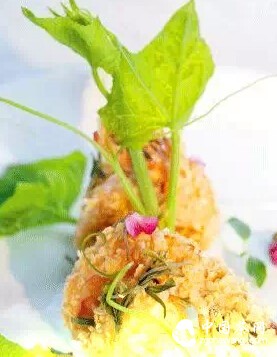
Step one: Deep-fry the large sea shrimp until cooked.
Step two: Add homemade mustard sauce to the shrimp, sprinkle with oatmeal and West Lake Dragon Well tea, then plate.
2. Jasmine Flower Smoked Fish
Ingredients: Jasmine flowers, mandarin fish
Dish characteristics: The delicate fragrance of jasmine blends with the smoky fish aroma, infusing the fish with tea flavor, resulting in a light and elegant dish.
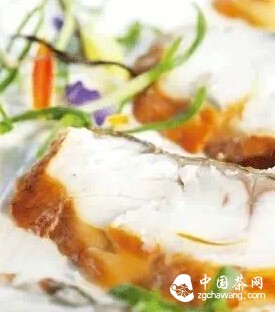
Step one: Slice the mandarin fish, remove bones, and marinate with jasmine flowers, scallions, ginger, garlic, sugar, and cooking wine for 4~5 hours.
Step two: In a pot, place jasmine tea, oil, sugar, etc., and smoke the fish for 2~3 minutes.
Step three: Brew a pot of jasmine tea to enjoy alongside the tender, floral fish.
3. Green Tea Yam Pudding
Ingredients: Green tea powder, yam, yogurt, sugar
Dish characteristics: Sweet and refreshing with a tea aroma, this dessert offers good antioxidant and calming effects.
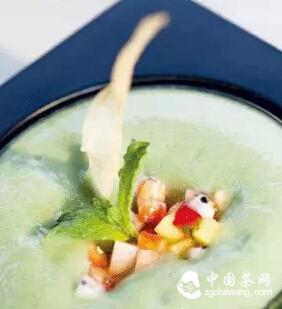
Step one: Steam the yam until cooked.
Step two: Blend the cooked yam with green tea powder, yogurt, and sugar in a mixer until smooth, then transfer to a container to serve.
4. Biluochun Tea Corn Ribs
Ingredients: Biluochun tea, pork ribs, corn
Dish characteristics: The ribs have a strong tea fragrance upon entry, offering a全新的 experience.
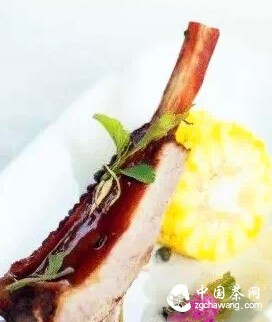
Step one: Simmer the Biluochun tea, pork ribs, and corn in a premium broth for 3 hours.
Step two: Thicken a small amount of the tea-infused broth with starch and pour over the ribs, then sprinkle with Biluochun tea leaves.
Step three: Plate and serve with refreshing sweet corn.
5. Oolong Tea Smoked Chicken
Ingredients: Oolong tea, Qingyuan chicken
Dish characteristics: The chicken is tender and light, with a rich tea aroma.
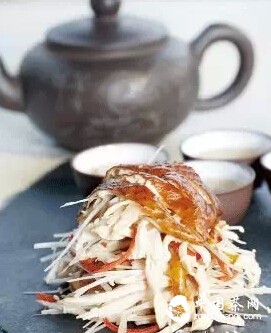
Step one: Remove the head and feet of the chicken, and marinate with scallions, ginger, garlic, cooking wine, water, salt, and chicken powder for 5~6 hours.
Step two: After marinating, add sugar and Oolong tea, smoke for 40 minutes, then remove. Shred the meat, mix with scallion strips, scallion oil, salt, and sesame seeds.
Step three: Brew a pot of Dragon Well tea to accompany the chicken with its aroma.
Having learned so many tea dishes in one go, don't you feel great? Looking at the delicious food in front of you, aren't you tired but happy? Okay, now Bear Two starts rambling:
Eating tea meals involves considering the properties of tea, but perhaps more important is the 'heart.' A light white tea has almost no taste, but the realm of white tea is clean and elegant, requiring用心 to appreciate. It can be used to cook fruits and vegetables for a unique flavor. Green tea, with its balanced intensity, can be used lightly in dishes like green tea tofu or robustly in煎饺 with fennel, not bound by form or rules.
Perhaps you can also be this casual when cooking tea meals at home: pour in tea broth while cooking, add rehydrated tea leaves when stir-frying, incorporate ground tea powder into flour-based foods, or even eat tea leaves directly... Women who love life, you can even brew a cup of rich and smooth Pu-erh tea and add it when stewing meat broth, letting the tea aroma mingle with the meaty fragrance!
At every moment, tea meets ingredients in different contexts and moods, sparking sparks of love. Seeing these稀一点 sparks of love, you, playing the role of creator, feel joy even when tired!