As the saying goes, "the coldest days are in Sanjiu, the hottest in Sanfu." The Minor Cold solar term overlaps with the "third nine" of winter, therefore entering Minor Cold also means entering the coldest time of the year. According to meteorological reports, the average temperature in Northeast China during the Minor Cold period is around -30°C, with minimum temperatures reaching -50°C. In the Yellow River basin, the average temperature is around -5°C, while in Guangdong, the average temperature drops to about 8°C. Occasionally, strong cold air from the north can cause temperatures to drop even lower temporarily. Minor Cold, is your stomach ready?
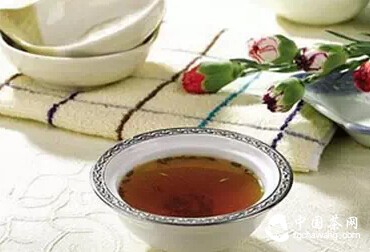
In winter, excessive stomach heat often manifests most directly as a bitter and dry mouth, dry and hard stools, leading to difficulty in bowel movements and constipation. To improve constipation caused by stomach heat, try brewing a cup of Mai Dong tea to drink. Mai Dong is a traditional Chinese medicine with a sweet and mild taste that can relieve intestinal dryness and constipation. Give it a try!
Black Plum and Mai Dong Tea
Ingredients: 100g Mai Dong (Ophiopogon japonicus), 30g black plum, water, honey to taste. Method: 1. Wash the Mai Dong and black plum. After scoring the black plum with a knife, place both into a clay pot. 2. Add 1000ml of water, bring to a boil over high heat, then reduce to a simmer. Continue cooking until the ingredients are thoroughly soft. 3. Remove the Mai Dong and black plum, then filter the liquid through a cheesecloth to remove any residue completely. Let it cool to about 40°C (104°F), then add a spoonful of honey to taste before drinking.
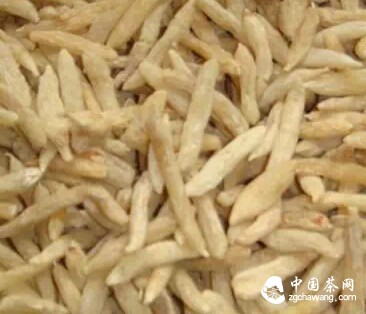
Image: Mai Dong
Nutrition Tips:
1. Mai Dong nourishes yin and clears heat; paired with black plum to promote saliva production, quench thirst, and relieve constipation. Mai Dong, also known as dwarf lilyturf, is a traditional Chinese herb. Its taste is sweet and slightly bitter, nature slightly cold, and it enters the heart, lung, and stomach meridians. It is commonly used for dry cough due to lung dryness, cough from yin deficiency, sore throat, thirst due to fluid injury, internal heat and wasting-thirst, insomnia, and constipation from intestinal dryness. Black plum tastes sour and astringent, nature neutral. It can astringe the lungs and intestines, promote saliva production, and calm parasites. It is used for chronic cough due to lung deficiency, thirst from deficient heat, and constipation from excessive fire. The combination of black plum and Mai Dong is a common formula. Mai Dong paired with black plum can transform sour and sweet flavors into yin, significantly enhancing the effect of promoting saliva production and quenching thirst. It can be chosen for thirst due to fluid injury of the lung and stomach from external pathogens or for wasting-thirst from stomach heat and fluid injury from internal damage. Furthermore, black plum can astringe the intestines and stop diarrhea. Combined with Mai Dong to rescue yin and moisten dryness, it is suitable for chronic diarrhea and dysentery with fluid depletion in the large intestine. From a nutritional perspective, the malic acid in black plum guides an appropriate amount of water to the large intestine, forming stool for elimination. Additionally, black plum contains a certain amount of dietary fiber, which is beneficial for promoting intestinal peristalsis and speeding up bowel movements.
2. Persistent constipation may not always be due to "excessive internal heat."
During autumn and winter, due to dry weather and reduced sweating, people's water intake significantly decreases compared to summer. However, since the body's natural metabolism also expels a lot of water, symptoms of dryness and "excessive internal heat" due to insufficient fluid intake often occur. Insufficient water is often a primary cause of constipation, and people commonly attribute constipation to excessive internal heat. When constipation occurs in autumn and winter, people habitually think it's due to excessive internal heat, believing that simply drinking more water or even taking some heat-clearing and fire-reducing medicine can relieve it. But in fact, constipation is a symptom, and there can be many causes for this symptom, including some intestinal diseases and pathological changes that can also lead to constipation. Conversely, persistent and unrelieved constipation can significantly increase the risk of intestinal diseases. Therefore, if you often suffer from constipation that doesn't improve, it is advisable not to randomly buy and take heat-reducing medicine. It's better to first seek medical diagnosis and then treat according to the specific cause.