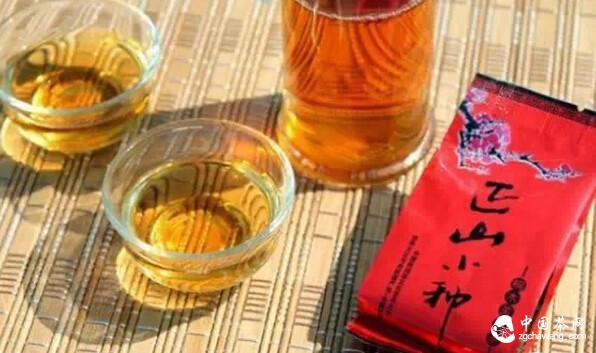
Lapsang Souchong is the world's earliest black tea, also known as the progenitor of black tea. It originated in Tongmu Village, Wuyishan City, Fujian Province, and has a history of over 400 years.
Tongmu Village in Wuyishan City, Fujian, is situated at an altitude of about 1500 meters. The local villagers have been producing or trading tea for generations. Legend has it that during the late Ming Dynasty, an army passed through the area, and soldiers slept on the freshly picked tea leaves. After the army left, the tea leaves had begun to ferment to varying degrees. The villagers quickly rolled the leaves and dried them over local pine wood. This tea, carrying the distinctive pine-resin aroma of the pine wood, was not initially well-received, as people at the time were accustomed to drinking green tea. The villagers then carried the tea to Xingcun to sell. Xingcun was a tea distribution hub at the time. The following year, this tea was ordered at a high price. Consequently, this fermented black tea began to attract attention and developed rapidly.
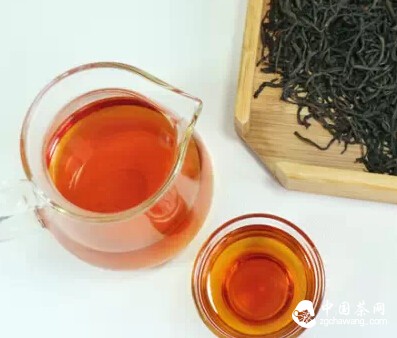
The authenticity of this story is no longer verifiable. As Lapsang Souchong black tea from Tongmu gained market recognition, to ensure its monopoly, tea produced within the hundreds of kilometers of the natural reserve area encompassing Xingcun and Tongmu was named "Zhengshan" (Original Mountain) Souchong. Black tea produced in other areas was called "Waishan" (Outside Mountain) Souchong to indicate authenticity.
As this tea was gradually accepted by people, it came to be called "Lapsang Souchong." "Zhengshan" means inner mountain. Only tea produced within the Wuyishan Natural Reserve can maintain the original essence and flavor of authentic Lapsang Souchong.
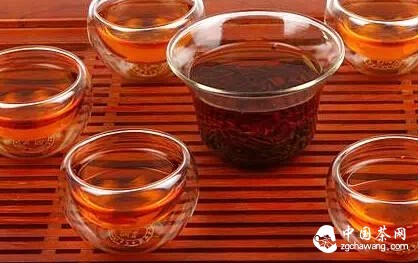
In the late 16th to early 17th century (around 1604), Lapsang Souchong was transported overseas, introduced to Europe by Dutch merchants. It quickly became popular among the British royal family and throughout Europe, giving rise to the enduring "afternoon tea" tradition. Since then, Lapsang Souchong black tea has historically represented Chinese black tea in Europe and became a world-renowned tea.
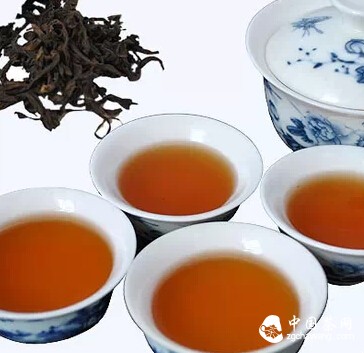
Historically, the most glorious period for Lapsang Souchong black tea was during the mid-Qing Dynasty. According to historical records, in the early Jiaqing period, 85% of China's exported black tea was labeled as Lapsang Souchong. Even after the Opium Wars, Lapsang Souchong continued to contribute significantly to trade surpluses. While Lapsang Souchong gained fame overseas, regions like Ningde in Fujian and Qimen in Anhui began learning its cultivation and processing techniques. The processing skills of Lapsang Souchong gradually spread to major green tea, oolong tea, and Pu-erh tea producing areas across China, ultimately leading to the development of the now nationally famous Gongfu black tea.