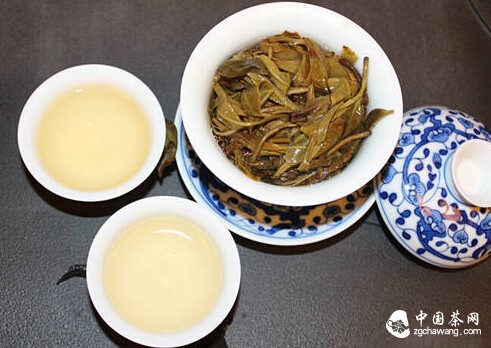
Generally speaking, Pu-erh tea often has flavors such as sweetness, bitterness, astringency, sourness, wateriness, and tastelessness. These flavors may exist alone in a certain infusion of Pu-erh tea, or multiple flavors may coexist simultaneously.
Sweetness
Pu-erh tea is made from large-leaf variety tea leaves, with relatively saturated and rich components. After long-term aging, the bitter and astringent flavors gradually weaken or even disappear completely due to oxidation, while the sugar content remains in the tea leaves. After brewing, it is slowly released into the Pu-erh tea, resulting in a sweet taste. What does good Pu-erh tea taste like? It has a sweet taste, which becomes increasingly stronger with each subsequent infusion. Among Pu-erh teas, Honglian Yuan Cha and Yuan Cha Tie Bing are made from the same batch of Pu-erh tea raw material using different methods. Both of these teas have a honey-like sweetness unmatched by other Pu-erh teas.
Bitterness
Bitterness is originally the fundamental taste of tea; in ancient times, tea was called "bitter tea." The reason Pu-erh tea can be bitter is because it contains caffeine. The reason tea can refresh and clear the mind is precisely due to caffeine, which stimulates the human nervous system. Truly healthy appreciation of Pu-erh tea is not about using bitterness to refresh and alert oneself, but rather achieving the effect of a sweet aftertaste and throat sensation from the slightly bitter tea soup. Pu-erh teas made from tender, high-grade tea leaves all carry bitterness. For example, Bai Zhen Jin Lian Pu-erh loose tea with lotus fragrance, or other high-end tender Pu-erh teas, all have bitterness. As for handling the bitter taste, it is controlled through brewing methods.
Astringency
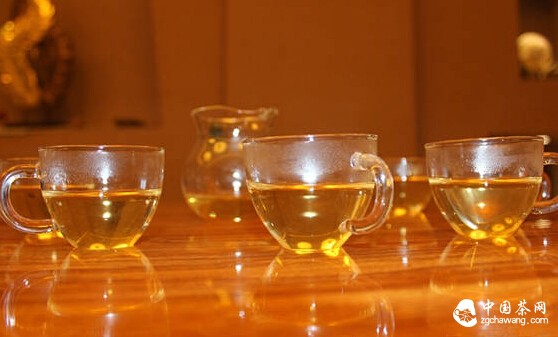
It is often said that tea without bitterness and astringency is not tea. In fact, for aged Pu-erh tea that has been stored for over sixty or seventy years, the bitterness and astringency are already gone. Teas that can still express other flavors without bitterness and astringency are generally called good teas. The astringent sensation in tea is due to the presence of tannins. Pu-erh tea is made from large-leaf variety tea leaves, which contain more tannins than ordinary teas. Therefore, new raw Pu-erh tea is very strong, and the astringent taste is particularly pronounced. An appropriate level of astringency is acceptable to tea drinkers because astringency causes the muscles in the mouth to contract, promoting salivation. Astringency can increase the strength and robustness of the Pu-erh tea soup and can also satisfy tea drinkers who prefer heavier tastes.
Sourness, Wateriness
Both sourness and wateriness are undesirable flavors in Pu-erh tea. Poor tea processing or improper storage may lead to the formation of a sour taste. For some Pu-erh teas with a sour taste, the sourness may gradually decrease after three to five infusions. Sourness is a flavor that tea drinkers are unwilling to accept. It represents inferior tea quality.
Tastelessness
Most Pu-erh tea connoisseurs agree that the "flavorless" taste is the ultimate flavor of Pu-erh tea. This may be related to the aging period. The evaluation of Jin Gua Gong Cha (Golden Melon Tribute Tea) with over a hundred or two hundred years of aging states: "The soup has color, but the tea flavor is aged and thin. The flavorless taste has a full Zen-like state." This kind of supremely noble realm is probably unique to Pu-erh tea among hundreds of tea varieties.