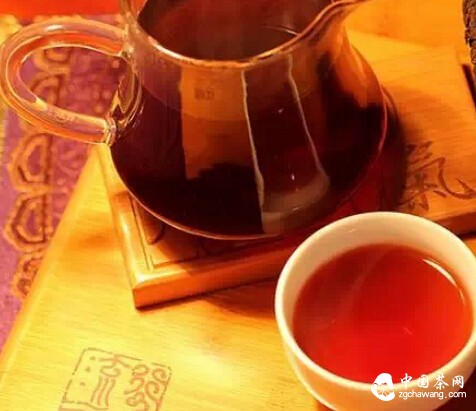
【What is 'Waterway'?】The commonly heard tea term "waterway" refers to the sensation felt throughout the swallowing passage when tea soup is swallowed. Waterway is a very important concept in tea tasting, generally distinguished by its coarseness or fineness. It refers to the aspect of water quality and is distinct from soup texture; the two should not be confused.
【How to Distinguish Spring Tea from Autumn Tea?】Judge from the color, aroma, and shape of the dry tea. Spring tea is characterized by green tea having a moist green color, black tea having a dark black color, tea leaves being plump and heavy, often with many white hairs. Additionally, black tea and green tea have tightly wound strips, and pearl tea has tightly rounded granules, with a rich and fragrant aroma. Autumn tea is marked by green tea having a yellowish-green color, black tea having a dull red color, tea leaves being uneven in size, thin and light, with a relatively mild aroma.
【The Aroma-Enhancing Role of Tea Stems】The aromatic substances in tea are mainly found in the tea stems and the main veins of young leaves. The aroma decreases from the first leaf to the third leaf, while the tea stems contain the highest concentration of aromatic substances. Because young stems contain more aromatic substances than young leaves. Therefore, compressed teas always include tea stems to retain appropriate gaps conducive to later fermentation; tea stems contain a considerable amount of aromatic substances, so having appropriate stems is necessary to produce tea with high aroma and rich flavor.
【How Many Grams of Tea to Brew?】Green Tea: Green tea generally has a lighter taste and is lighter in weight, typically 3-4 grams should be used. Black Tea: Black tea is generally fermented, has a mellow taste, and 5-6 grams are suitable; excessive amounts will make the tea soup bitter. Oolong Tea: Oolong tea generally has larger leaves, so more dry tea should be used, typically 8-9 grams. Dark Tea: Such as Pu-erh tea, Liubao tea, etc., their degree of fermentation and age are important factors in determining the amount of tea to use.
【The Misconception of Re-roasting Aged Tea】If aged tea is stored successfully and properly, it does not need to be re-roasted. Some tea enthusiasts believe that aged Tieguanyin, rock tea, Dancong, etc., must be periodically re-roasted with high fire to have storage value. They do not realize that if aged tea undergoes multiple firings, the leaves will become carbonized. When tasted, the tea will feel thin and hollow in flavor, losing the true taste of aged oolong tea.