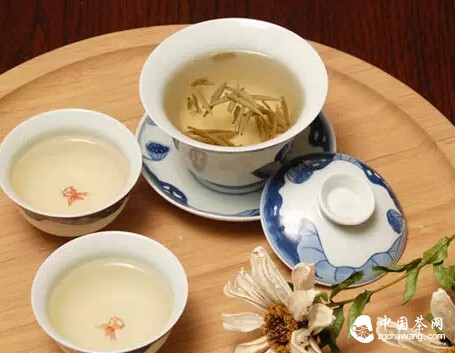
Although winter is cold, many people still tend to experience excessive internal heat. So, the question arises: which method is best for clearing heat? Among the six major tea categories, white tea has the highest medicinal properties and offers excellent effects for reducing fire, relieving dryness, and benefiting the skin. Below, the editor specially shares 6 brewing methods for white tea, believing there is always one suitable for you!
There are six brewing methods for white tea, categorized as: one cup, two covers (gaiwan), three small (pot), four large (pot), five飘逸 (easy gaiwan), six煮 (boil).
1. The so-called 'one cup' refers to the cup brewing method.
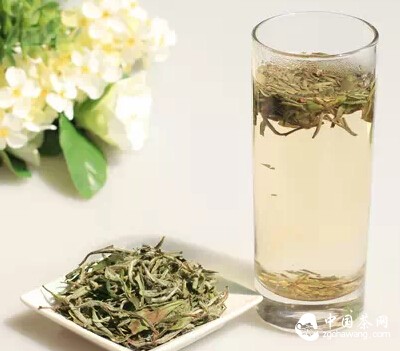
Take about 5 grams of white tea, place it in a glass or insulated cup, directly pour in hot water around 90°C, and it can be drunk after one minute.
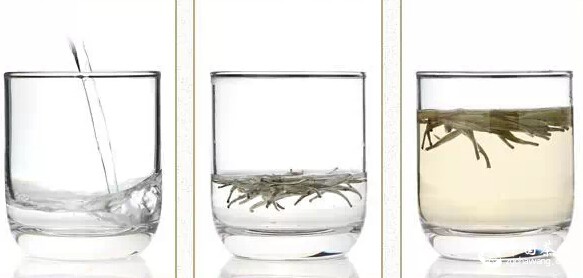
Advantages: This method is the simplest and most flexible, suitable for home, travel, and office. It doesn't require many utensils; just a kettle and a glass or insulated cup are enough to enjoy it alone.
Disadvantages: More suitable for drinking alone, not ideal for entertaining guests, and lacks some cultural atmosphere and sensory experience.
2. The so-called 'two covers' refers to the gaiwan method.
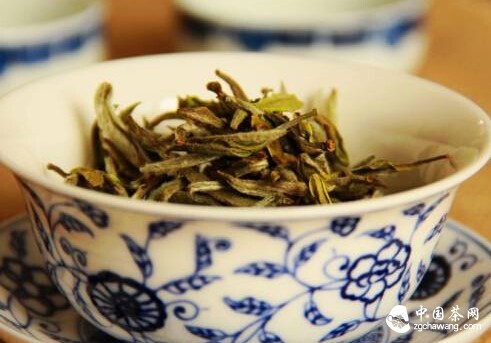
Prepare a full set of tea utensils, similar to the Gongfu tea brewing method. Take 5-8 grams of white tea into the gaiwan, brew slowly with water around 90°C, and share using a fairness cup.
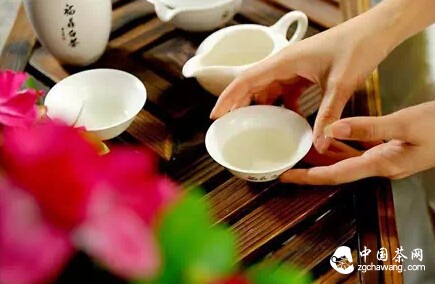
Advantages: This is the most commonly used brewing method, very suitable for home and office. Two, three, or even six or seven people can sit around, tasting and chatting, relaxed and happy. The key point is that tea brewed this way is often more fragrant than the cup method.
Disadvantages: Slightly troublesome during travel, but this can be mitigated with portable travel tea sets. Another drawback is that it tests one's skill; pouring too quickly results in a weak taste, while pouring too slowly makes it slightly bitter—it needs to be just right.
3. The so-called 'three small' is not that 'little third', but the small teapot method.
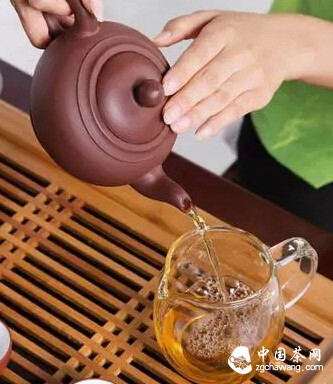
Use a medium-sized, round-bellied purple clay teapot, place 7-10 grams of white tea, steep with hot water around 90°C for several tens of seconds, then pour out and enjoy slowly.
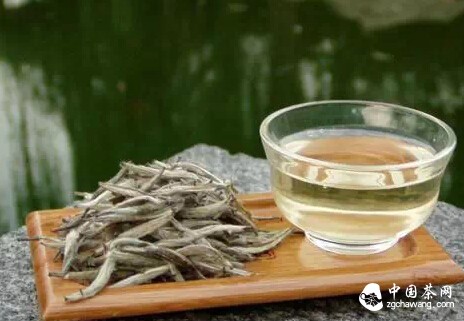
Advantages: The tea soup is fresh and mellow, offering both taste and refinement.
Disadvantages: This is a relatively niche method because good purple clay teapots are hard to find and generally more expensive than regular tea ware.
4. The so-called 'four large' refers to the large teapot method.
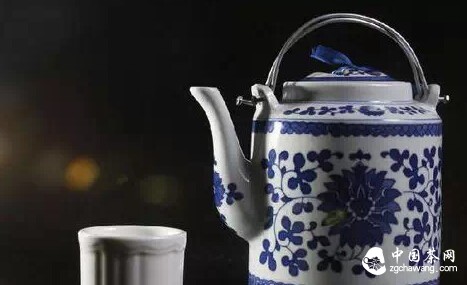
Use a large, tall porcelain teapot with a round belly, put in 10-15 grams of white tea, and steep with 90-100°C hot water.
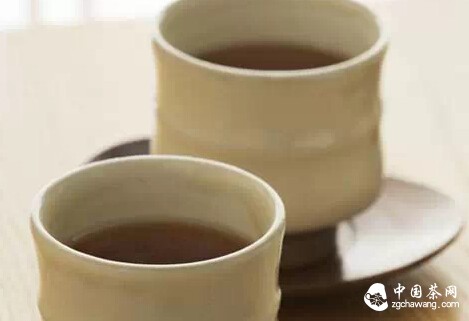
Advantages: A very homely brewing method, both traditional and fashionable. Water can be added repeatedly, allowing drinking from morning till night, with a particularly mellow and refreshing taste.
Disadvantages: Not suitable for travel or general office settings.
5. The so-called 'five飘逸' is the飘逸杯 (easy gaiwan) method.
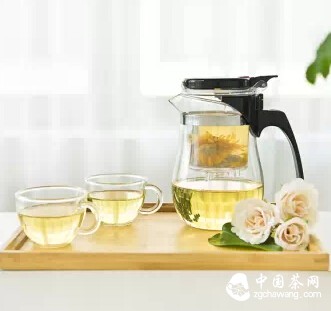
Place 5-8 grams of white tea in the飘逸杯, brew with hot water around 90°C.
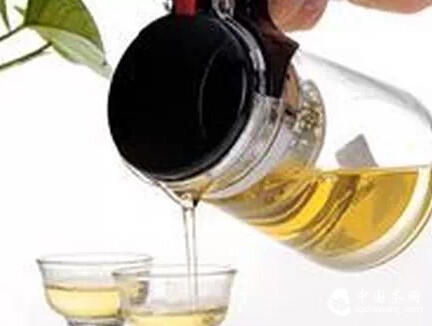
Advantages: Considered an incomplete combination of the cup method and the gaiwan method, relatively simple.
Disadvantages: While combining the advantages of both methods, it also highlights their drawbacks. The most obvious is the lack of some cultural sensory experience associated with ceramic ware, and the tea fragrance is somewhat inferior compared to the gaiwan method.
6. The so-called 'six煮' is the煮茶 (boiling) method.
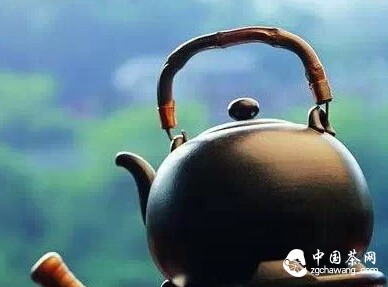
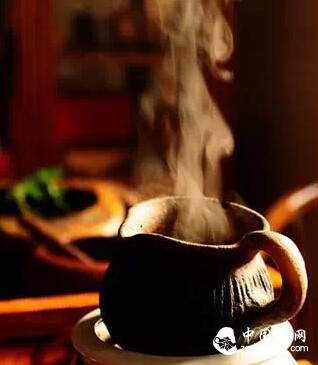
Take about 15 grams of aged white tea (over three years old), place it in a煮茶器 (tea boiling vessel), add room temperature water until 80% full, boil vigorously for about three minutes, strain the tea, or switch to a gentle simmer.
In addition to the above six brewing methods, there are actually many other excellent methods, though not widely known. Briefly mentioning two: one is the thermos brewing method, and the other is the cold brew method.
7. The so-called thermos brewing method involves steeping in a thermos.
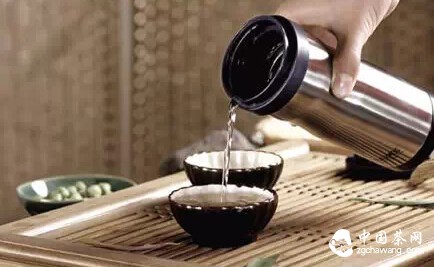
Take 10-15 grams of aged Fuding white tea (over five years old), place it in a thermos (insulated bottle), pour in boiling water to fill, cork it with a wooden stopper, let it sit for 8 hours, then pour out and drink. It can be left overnight.
Advantages: The taste is mellow, and the key point is it's said to be particularly effective for lowering blood pressure.
Disadvantages: Requires aged Fuding white tea over five years old, which is not easy to obtain.
8. The so-called cold brew method involves brewing directly with cold water.
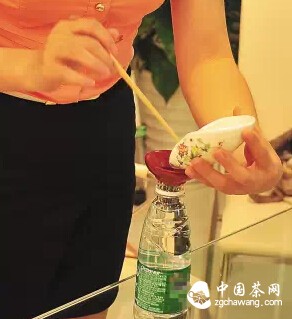
Take a bottle of mineral water, insert 2-3 grams of white tea, close the lid, shake well, and let it sit for 2 hours before drinking.
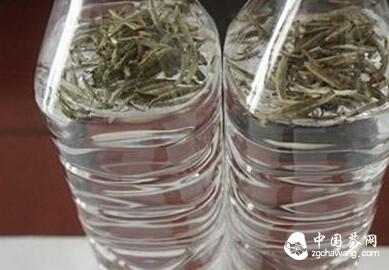
Advantages: A great solution for car rides and travel.
Disadvantages: Requires a long steeping time, over 2 hours.