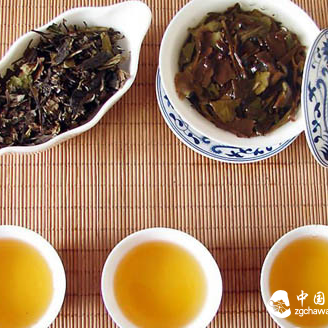
Main Benefits of White Tea Shou Mei
Shou Mei white tea is known for its cooling and detoxifying properties, helping to relieve heat, fever, and inflammation. It also promotes metabolism and skin health due to its antioxidant content, making it a natural remedy for common ailments....
Tea News · Jun 09, 2026
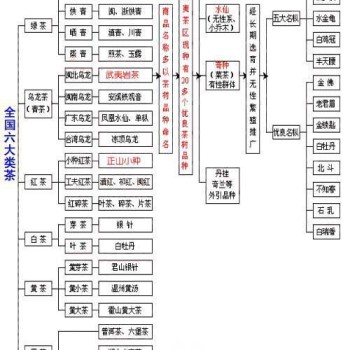
Understand China's Six Major Tea Categories in One Picture!
China's six major tea categories are classified by production method and fermentation degree: green (unfermented , white (lightly fermented , yellow (lightly fermented , oolong (semi-fermented , black (post-fermented , and red (fully fermented . Their appearance and liquor color shift from green to...
Tea News · Jun 02, 2026
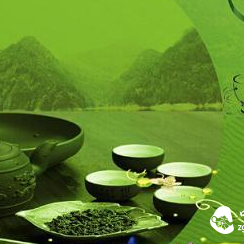
How to Distinguish Green Tea, White Tea, and Yellow Tea
Green tea is completely unfermented, retaining its natural green color through steaming or pan-firing. White tea is lightly fermented (10-20% , with silver-white buds and a sweet, mild flavor. Yellow tea, also lightly fermented, undergoes an additional high-temperature yellowing process, giving it a...
Tea News · May 28, 2026
What Exactly Is Tea?
Tea is more than just a beverage; it embodies mood and lifestyle. From the innocence of white tea to the wisdom of aged Pu'er, each variety reflects different life stages and personalities. Rich in cultural heritage, tea transcends its physical form to become a symbol of tradition and enlightenment....
Tea News · May 28, 2026

China's Seven Major Tea Categories
China is the homeland of tea, and its seven major tea categories are classified based on the degree of fermentation: green tea (unfermented , yellow tea (lightly fermented , oolong tea (semi-fermented , black tea (fully fermented , dark tea (post-fermented , white tea (mildly fermented , and reproce...
Tea News · May 16, 2026
Why Are People So Fond of “Aged White Tea”?
Aged white tea, mainly produced in Fujian, China, is highly valued for its evolving flavor and increasing health benefits over time. As it ages, its aroma shifts from fresh and floral to notes reminiscent of dates or herbs, while its taste becomes smoother and richer. Studies show that flavonoids, p...
Tea News · May 09, 2026
White Tea: Promotes Blood Sugar Balance, Improves Eyesight, Promotes Blood Sugar Balance
White tea, a slightly fermented tea, is a traditional Chinese tea variety. It is made from freshly picked tea leaves that are not pan-fried or rolled, but only sun-dried or dried over a low fire. It has the characteristics of complete buds and downy leaves, fresh aroma, yellow-green clear liquor, an...
Tea News · May 07, 2026
Ten Things You Must Know About White Tea
White tea is a minimally processed tea that retains its natural character, requiring only sunlight for processing. It offers numerous health benefits, including reducing internal heat, aiding in managing blood pressure, blood sugar, and cholesterol, and being rich in antioxidants and amino acids. It...
Tea News · May 02, 2026
Falling in Love with the Taste of Aged Tea
Aged tea possesses a unique charm that evolves over time. If stored properly, it develops a richer, smoother flavor, while improper storage leads to spoilage. This article explores the aging potential of various teas: Oolong tea, when heavily roasted, matures into a robust brew with deep aroma; full...
Tea News · Apr 22, 2026
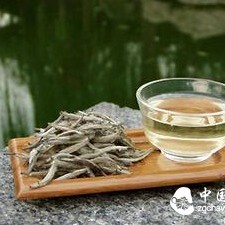
Growing Environment and Production Process of Aged White Tea
Aged white tea refers to white tea that has been stored for many years, typically within a reasonable shelf life of 10 to 20 years. During prolonged storage, the internal components of the tea leaves undergo slow transformations: aromatic compounds gradually volatilize, the liquor color turns reddis...
Tea News · Apr 19, 2026