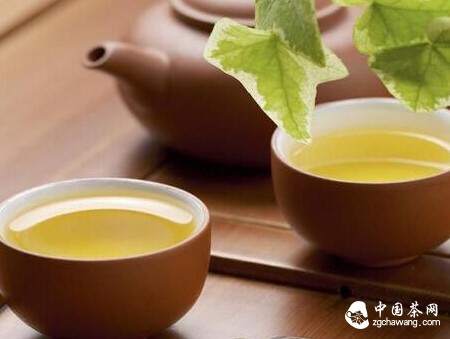
Pu'er tea is divided into raw tea and ripe tea, and the differences between the two are quite significant:
From a process perspective: raw tea is Pu'er tea that has not undergone fermentation, while ripe tea is fermented through an artificial pile fermentation process. Simply put—raw tea is a maiden, ripe tea is a married woman.
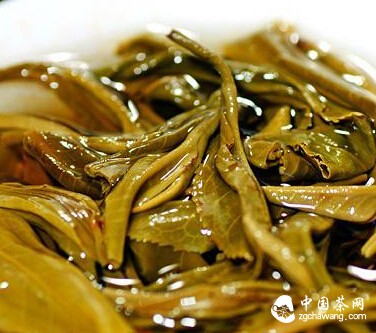
From an aging perspective: raw tea has greater value for long-term storage. Under proper storage conditions, it can last for decades or even centuries, while ripe tea cannot be stored for as long. The so-called aged tea mentioned in the market mostly refers to raw tea. However, raw tea will never turn into ripe tea. The misconception arises because the liquor of long-stored raw Pu'er tea turns red.
From a historical drinking perspective: raw tea has a long history of consumption, while ripe tea was only created in the 1970s to simulate the aged taste of raw tea.
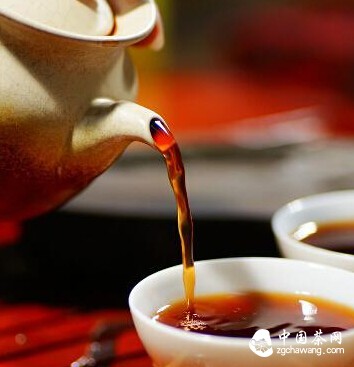
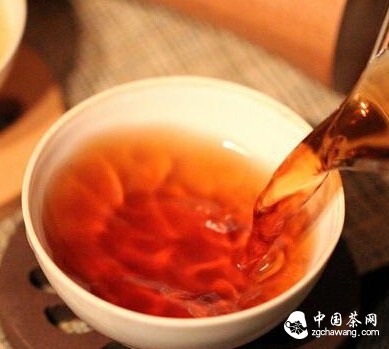
From the perspective of tea liquor and taste: ripe tea has a reddish-brown liquor color, while raw tea liquor is lighter, yellowish-green (excluding aged tea); raw tea has a stronger taste than green tea, prone to bitterness, while ripe tea tastes like black tea—mellow, rich, and mild.
2. Why is Pu'er cake tea also called seven-cake tea? How was the weight of 357 grams per cake established?
In the old days, the Qing government stipulated that "Yunnan merchants' tea is sold in bundles of seven cakes..." According to the weight standard at the time, 1 cake of Pu'er tea was 357 grams, 7 cakes made one bundle weighing about 2.5 kilograms, and 12 bundles made one piece weighing about 30 kilograms. A horse could carry 2 pieces, exactly 60 kilograms, making tax calculation and trade very convenient. This system has been used ever since.
Another explanation: when the China National Native Produce and Animal By-Products Import and Export Corporation wanted to export 30 kilograms per piece of Pu'er tea, each piece was packaged according to international practice as one dozen (12 bundles), with 7 cakes per bundle, making each cake 357 grams.
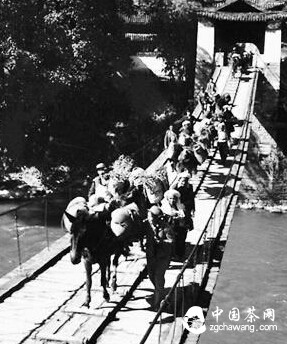
In the early 1970s, Yunnan Tea Import and Export Company wanted a more appealing name for promotion and branding. They called Pu'er tea "Seven-Cake Tea," and the name has been passed down ever since.
3. What shapes does Pu'er tea come in?
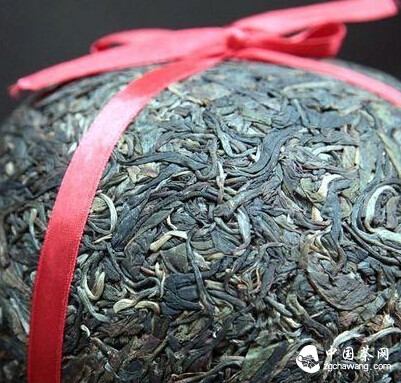
Common shapes of Pu'er tea include loose tea, cake tea, brick tea, as well as tuo tea, mini tuo tea, pillar tea, and golden melon tea.
4. What do numbers like 7572 and 7542 mean when referring to Pu'er tea?
These numbers are actually recipe codes. The word "recipe" is transliterated from the English word "mark," meaning a label or number.
The code for Pu'er tea is marked as follows: the first two digits indicate the year of the blending method used, the third digit indicates the main grade of raw material (the larger the number, the lower the grade), and the fourth digit indicates the production factory number (Kunming Tea Factory is 1, Menghai Tea Factory is 2, Xia Guan Tea Factory is 3, Pu'er Tea Factory is 4).
For example, 7572 means the tea uses the blending method from 1975, the main raw material grade is 7, and the production factory is Menghai Tea Factory.
Loose tea also has codes, but unlike cake tea, they have five digits, and the raw material grade is represented by two digits.
5. How should Pu'er tea be stored at home?
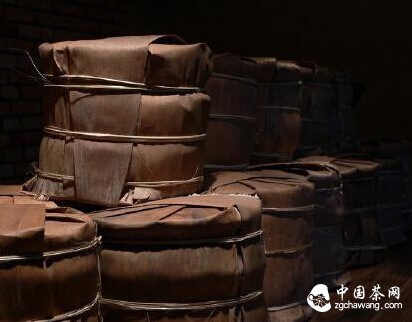
Storing Pu'er tea is not difficult. Just pay attention to avoiding light, ensuring ventilation, and maintaining a suitable and stable temperature and humidity. A dry cabinet at home works well, or if conditions allow, specialized purple clay jars, ceramic jars, or tin jars can be used.
However, before storage, check whether the outer packaging meets storage standards, such as whether it is sealed properly and whether it is plastic packaging (plastic packaging is not suitable for Pu'er tea storage). If the packaging does not meet storage requirements, repackaging is necessary. Additionally, keep tea away from items with strong odors to prevent the tea from absorbing smells.
6. What is dry storage and wet storage? Why is it best not to buy wet-stored tea?
Dry storage refers to a relatively dry, light-proof, and ventilated storage environment; wet storage refers to a high-temperature, humid storage environment.
Since dry-stored tea requires a long time to age, people developed the "quick-fix" wet storage technique to accelerate the fermentation of tea. However, due to poor control over humidity and temperature, many wet-stored teas are prone to mold and spoilage, posing health risks. Therefore, it is best not to buy wet-stored tea.
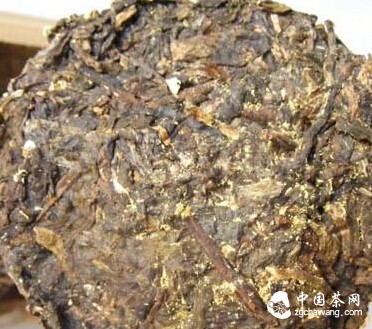
How to distinguish between dry storage and wet storage? When buying tea, carefully observe the appearance of the dry tea: dry-stored tea has a glossy color and clear stems and leaves, while wet-stored tea has a dull color and clumped leaves. Most importantly, taste the tea. Dry-stored tea has a natural taste, possibly with a slight storage flavor (like a dusty, muffled smell, which disappears after proper airing). Wet-stored tea has a moldy, rotten smell, and may cause an uncomfortable throat-tightening sensation (feeling like something is stuck in the throat).
7. What is ancient tree tea?
In the market, we often see the term "ancient tree tea." So what exactly is an ancient tree? Is any sufficiently old tea tree considered an ancient tree?
Of course not. To be called an ancient tree, three conditions must be met: first, it must be an arbor tea tree (tree-like rather than shrub-like); second, it must be grown from seeds, naturally, with minimal human intervention and relying on symbiotic growth; third, it must have reached a certain age.
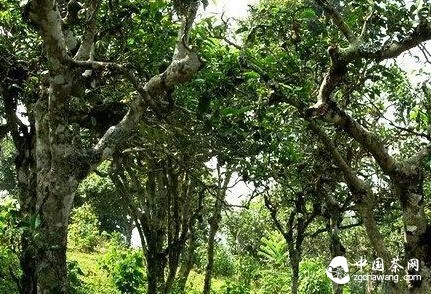
Generally, trees over 100 years old are called ancient trees. However, there is no official standard in the industry. Due to their limited numbers and low yields, along with the unique flavor of their growing region, ancient tree teas are highly sought after by tea enthusiasts.
8. Can Pu'er tea really help with weight loss?
Many tea drinkers claim that long-term consumption of Pu'er tea can lead to weight loss. However, apart from its effects on lowering blood lipids and aiding digestion, there is no official scientific research proving that Pu'er tea has a direct slimming effect. So, don't treat it as a weight-loss tea.