In cold, dry autumn and winter, delicate lips are easily "hurt." Many people have dry mouths and tongues, and even cracked, peeling lips, which is both unsightly and uncomfortable.

What should you pay attention to when lips are dry and cracked?
1. Do not lick your lips when they are dry and cracked.

Many people tend to make this mistake: when their lips feel dry, they lick them or wet them with saliva, thinking this will relieve the dryness. But this habit is actually harmful to the skin around the lips. When lips are chapped, never lick them with your tongue—it will only make them even drier.
2. Drink plenty of water and keep your lips clean.

When a piece of lip skin lifts, do not pull it off with your hands, as this can tear the lips, causing pain and bleeding. Dry lips in women are often related to overall dry skin, so it is important to focus on replenishing moisture and oils—and it's best to massage the lips regularly. Gently massage with your fingertips to help promote blood circulation, allowing the lips to absorb nutrients, and helping moisturizers to quickly reach the skin under the lips. After a few massages, wipe it off with a tissue, then apply a layer of colorless lip balm to keep lips moisturized.
3. What should you drink for dry and cracked lips?

Why do lips become dry and cracked? On one hand, the weather is dry and lacks moisture, causing the body to lose water as well, leading to blood depletion and fluid damage. On the other hand, during cold seasons, people tend to eat rich, greasy, and spicy foods, which generate internal heat in the spleen and stomach, resulting in insufficient body fluids and symptoms like dry mouth and lips.
Experts remind that to relieve these discomforts, first pay attention to drinking plenty of water, maintain indoor humidity, and use lip balm appropriately.
Also, you can brew a cup of "Shuangdong Tea" for daily drinking. Take 10g each of Ophiopogon japonicus (Maidong) and Asparagus cochinchinensis (Tiandong), add a little white sugar if desired, place in a cup, and steep in about 300 ml of boiling water for 10–15 minutes.
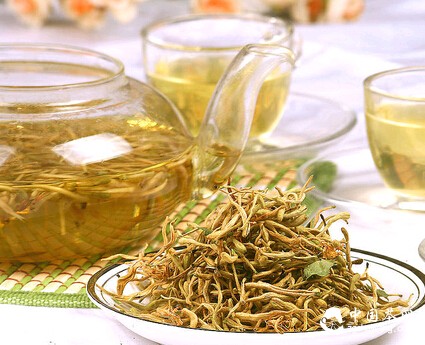
The effects of Ophiopogon japonicus are summarized in four phrases: "Ophiopogon is sweet and cold, relieves thirst and vexation, nourishes the heart and clears the lungs, and soothes deficiency heat." It not only replenishes lung fluids, alleviating dry throat and cough, but also supplements stomach fluids, helps clear the heart and moisten the intestines, making it a mild yet effective medicinal herb. Asparagus cochinchinensis has similar effects—it clears the lungs, reduces fire, nourishes yin, and moistens dryness. It also nourishes kidney yin, making it suitable for symptoms like yin deficiency with heat, lack of fluids, and thirst.

The two combined complement each other and can be called the "perfect pair" for autumn and winter health. However, it should be noted that both herbs are cold in nature. Those with symptoms of spleen and stomach deficiency cold—such as diarrhea, loose stools, white greasy tongue coating, poor digestion, as well as those with wind-cold common cold and cough—should avoid drinking this tea.