Introduction
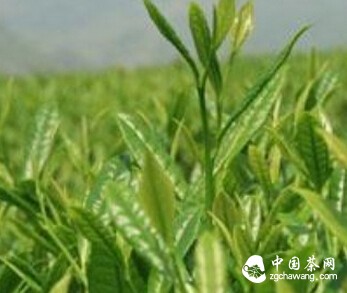
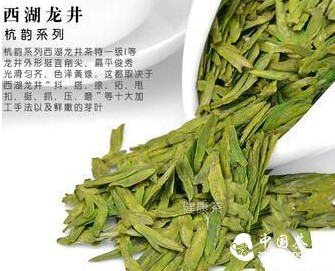
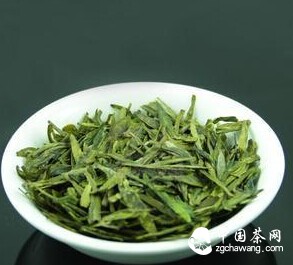
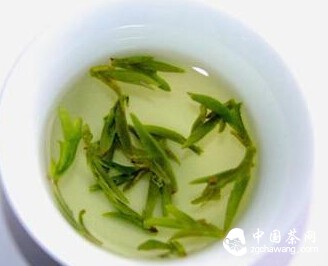
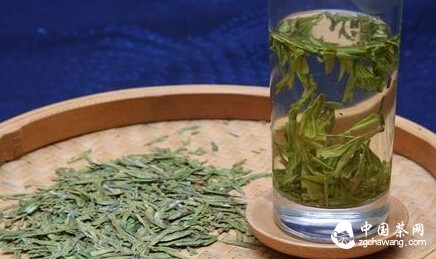
Longjing is a traditional Han Chinese famous tea, belonging to green tea, ranking first among the top ten famous teas in China. Longjing tea is produced in the West Lake area of Hangzhou, Zhejiang. It was created by Han tea farmers in the Song Dynasty, with a history of over 1,200 years. Longjing tea has emerald green color, rich aroma, sweet and refreshing taste, and a shape like a sparrow's tongue. It is known for the four characteristics of "green color, rich fragrance, sweet taste, and beautiful shape." West Lake Longjing tea leaves are flat, tender, neat in shape, uniform in width, greenish-yellow in color, smooth to the touch, with one bud and one or two leaves. West Lake Longjing tea has a fragrant aroma and a more fresh and mellow taste. Longjing tea contains more amino acids, catechins, chlorophyll, vitamin C, and other components than other teas, making it highly nutritious.
Efficacy
Longjing is rich in nutrients and has the effects of quenching thirst, lowering blood pressure, inhibiting platelet aggregation, antibacterial, and anti-allergy to products:
Stimulant effect
The caffeine in tea can excite the central nervous system, helping people to lift their spirits, enhance thinking, eliminate fatigue, and improve work efficiency.
Diuretic effect
The caffeine and theophylline in tea have diuretic effects, used to treat edema and water retention. Using black tea sugar water for its detoxifying and diuretic effects can treat acute icteric hepatitis.
Cardiotonic and antispasmodic
Caffeine has cardiotonic, antispasmodic, and smooth muscle relaxing effects. It can relieve bronchospasm and promote blood circulation, making it a good auxiliary treatment for bronchial asthma, cough and phlegm, and myocardial infarction.
Anti-arteriosclerosis effect: The tea polyphenols and vitamin C in tea have the effect of promoting blood circulation, removing blood stasis, and preventing arteriosclerosis. Therefore, among regular tea drinkers, the incidence of hypertension and coronary heart disease is lower.
Antibacterial and bacteriostatic
The tea polyphenols and tannins in tea act on bacteria, coagulating bacterial proteins and killing bacteria. It can be used to treat intestinal diseases such as cholera, typhoid, dysentery, and enteritis. For skin sores, ulcers, purulent discharges, and external wounds, rinsing the affected area with strong tea can have anti-inflammatory and bactericidal effects. For oral inflammation, ulcers, and sore throat, treating with tea also has certain effects.
Weight loss
Various compounds in tea, such as caffeine, inositol, folic acid, pantothenic acid, and aromatic substances, can regulate fat metabolism. In particular, oolong tea has a good effect on decomposing protein and fat. Tea polyphenols and vitamin C can lower cholesterol and blood lipids, achieving weight loss effects.
Cavity prevention
Tea contains fluoride. Fluoride ions have a strong affinity with tooth calcium, forming a "fluorapatite" that is difficult to dissolve in acid, adding a protective layer to teeth and improving their acid and cavity resistance.
Anti-cancer effects
The flavonoids in tea have varying degrees of anti-cancer effects in vitro, with stronger effects from compounds such as vitexin, morin, and catechins.
Deodorizing and digestive aid effects
Bad breath is caused by the formation of methyl mercaptan compounds from food residues under the action of enzymes. West Lake Longjing tea soup can inhibit the activity of this enzyme, helping to eliminate bad breath. It also stimulates the secretion of more digestive juices, aiding in the breakdown of starch, protein, and fat, thus helping digestion.
Notes
New tea is not necessarily better when fresher; improper drinking can easily harm the stomach and intestines. Since new tea is freshly picked and has a short storage time, it contains more unoxidized polyphenols, aldehydes, alcohols, and other substances. These substances have little effect on healthy people, but for those with poor gastrointestinal function, especially those with chronic gastrointestinal inflammation, these substances can irritate the gastrointestinal mucosa, making it easier to induce stomach diseases. Therefore, new tea should not be consumed in excess, and new tea stored for less than half a month should be drunk less or not at all.
In addition, tea contains more caffeine, active alkaloids, and various aromatic substances. These substances can excite the central nervous system. Patients with neurasthenia and cardiovascular and cerebrovascular diseases should drink in moderation and should not drink before bedtime or on an empty stomach.