China's Six Major Tea Categories: Each with Unique Health Benefits
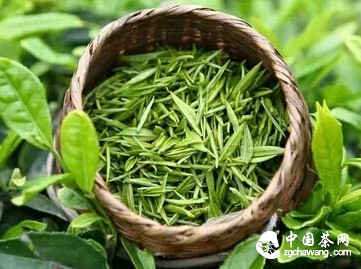
China has the longest history of green tea production, with the most varieties, such as West Lake Longjing, Huangshan Maofeng, Dongting Biluochun, Taiping Houkui, and others. Green tea is an unfermented tea, with a myriad of appearances, aromas, and flavors. Its clear soup and green leaves are very attractive, making it the tea with the most famous varieties and the most extensive research.
Catechins and other polyphenolic compounds are recognized as key beneficial components in green tea for health, possessing multiple health functions, including cancer prevention, improving cardiovascular health, weight loss, and resisting ionizing radiation. Additionally, green tea has the highest variety and content of vitamins among all teas. According to existing literature, green tea has relatively good anti-cancer effects compared to other teas. Multiple studies have shown that green tea can reduce the risk of tumors in various parts of the body, including the breast, prostate, lung, mouth, bladder, colon, stomach, and pancreas. From the perspective of traditional Chinese medicine, green tea is slightly cold in nature, helping to reduce internal heat. People with a cold stomach should drink less, while those who are prone to getting hot, physically strong, and have a hot constitution should drink it.
Generally, the brewing temperature for green tea is around 85°C. The brewing time is preferably 2-3 minutes. The ratio of green tea to water is best at 1:50. For tea ware, a porcelain cup or a transparent glass cup can be used, and the lid should not be covered during brewing.
Oolong Tea Moisturizes and Aids Weight Loss
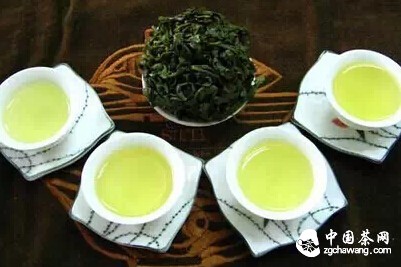
Oolong tea, also known as qingcha, has both the fragrance of green tea and the mellow richness of black tea. China's oolong tea is mainly divided into four categories: Southern Fujian oolong (such as Tieguanyin), Northern Fujian oolong (such as Dahongpao), Guangdong oolong (such as Lingtou Dancong), and Taiwan oolong (such as Dongding Oolong). Oolong tea is a semi-fermented tea, with a processing technique between that of green tea and black tea.
In addition to common compounds like catechins, tea polysaccharides, and tea saponins found in green and black teas, oolong tea also contains some special functional components. For example, certain varieties of oolong tea are rich in "methylated catechin components," which have anti-allergic, anti-inflammatory, antioxidant, liver cell-protective, and blood pressure-lowering functions. According to some related literature, compared to other teas, oolong tea has a better effect on weight loss. From the perspective of traditional Chinese medicine, oolong tea is neutral in nature, helping to clear accumulated heat in the body. It is especially suitable for drinking in autumn to relieve autumn dryness.
It is best to brew oolong tea in a purple clay pot or a gaiwan, and always use boiling water at 100°C. Cover the vessel after brewing.
Black Tea Warms the Stomach and Protects the Heart
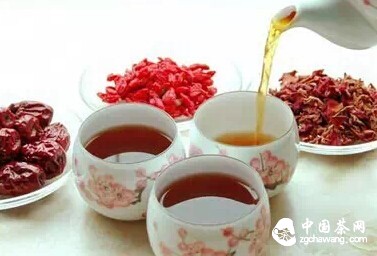
China produces black tea in a wide range of regions and varieties, generally divided into three categories: Congou black tea, Lapsang Souchong, and broken black tea. The widespread consumption of black tea is due to its many characteristics: dark, oily black-brown color, rich and sweet aroma, mellow and sweet taste, bright red-yellow infusion, and tender, bright red leaf base. Black tea is a fully fermented tea. During processing, tea polyphenols oxidize into theaflavins and thearubigins, and most sugars hydrolyze into soluble sugars, creating the unique aroma and taste of black tea.
Theaflavins are the most important functional components in black tea. Extensive medical research indicates that drinking black tea helps regulate the levels of low-density lipoprotein and high-density lipoprotein in human arteries, thereby reducing the probability of cardiovascular disease. Additionally, theaflavins have antioxidant, anti-cancer, anti-inflammatory, and anti-obesity effects. According to existing literature, compared to other teas, black tea generally has a better effect on preventing cardiovascular disease. From the perspective of traditional Chinese medicine, black tea is warm in nature and has a stomach-warming effect. People with a cold constitution and the elderly are suitable for drinking warm black tea.
It is best to brew black tea with freshly boiled water, using a similar water-to-tea ratio as green tea, with a brewing time of 3-5 minutes. Black tea is best brewed in a glass cup. The specific method can use the "middle throwing method": first, pour about 1/10 of hot water into the cup to warm it, then add 3-5 grams of tea leaves, and then pour water along the wall of the glass cup. Covering the cup when brewing black tea will make the aroma richer.
Dark Tea Resists Cold and Lowers Lipids
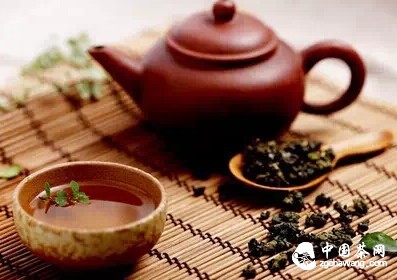
Dark tea is a unique tea category in China, with a relatively long production history and a rich variety, such as Yunnan Pu'er tea, Hunan Fuzhuan tea, Guangxi Liubao tea, Hubei Qingzhuan tea, and Sichuan border tea (Kangzhuan). Dark tea is a post-fermented tea. During processing, the tea leaves undergo a series of complex chemical reactions under the action of microorganisms, generating some functional components beneficial to the human body.
Pu'er tea and Fuzhuan tea are representatives of different types of dark tea in China. Their active components differ, but both have lipid-lowering effects. Current research indicates that Pu'er tea has health functions such as lowering blood sugar, blood lipids, and antiviral effects. Its lipid-lowering effect may be related to statin-like compounds. Fuzhuan tea also has a strong effect on eliminating greasiness and reducing fat, with a significant function in weight loss. Furthermore, dark tea is rich in minerals, with many types present in higher amounts compared to other teas. Dark tea is warm in nature, helping to resist cold, making it suitable for people with a cold constitution.
The brewing method for dark tea is relatively simple; it can be brewed using a purple clay pot, a brewing cup, or a gaiwan.
White Tea Fights Bacteria and Resists Radiation
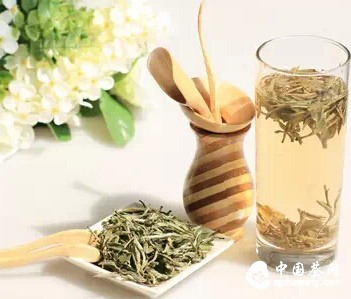
White tea has a relatively simple processing technique, consisting of only two steps: withering and drying. Due to its unique production method, the finished white tea is covered in white down, with buds and leaves connected to the stem. Its appearance is natural and elegant, with a silver-white and gray-green color, and a light infusion. According to different picking standards, it can be divided into Baihao Yinzhen, Baimudan, Gongmei, and Shoumei.
The chemical composition of white tea is generally similar to that of green tea. According to some related literature, compared to other teas, white tea has a relatively better antibacterial effect. Additionally, white tea also has good anti-radiation effects. In the United States and Europe, white tea extracts are used in the development of facial skincare products. White tea is cool in nature and can reduce internal heat and dryness.
The drinking method for white tea is generally similar to that of green tea.
Yellow Tea Suitable for Everyone
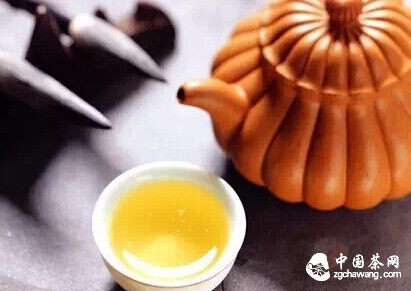
Yellow tea is usually classified by the tenderness of the fresh leaves into Yellow Bud Tea (such as Junshan Yinzhen, Mengding Huangya, and Mogan Huangya), Yellow Small Leaf Tea (such as Weishan Maojian, Beigang Maojian, and Pingyang Huangtang), and Yellow Large Leaf Tea (such as Anhui Huoshan Huangda Cha and Guangdong Dayeqing). The main quality characteristic of yellow tea is its yellow leaves and yellow infusion; not only the leaf base is yellow, but the tea infusion is also yellow, and the dry tea appears bright yellow. It also has a clear, pleasing aroma and a thick, refreshing taste.
Currently, research on the health benefits of yellow tea is relatively limited. Compared to the cool nature of green tea and the warm nature of black tea, the nature of yellow tea falls somewhere in between, making it suitable for almost everyone.
The drinking method for yellow tea is generally similar to that of green tea.