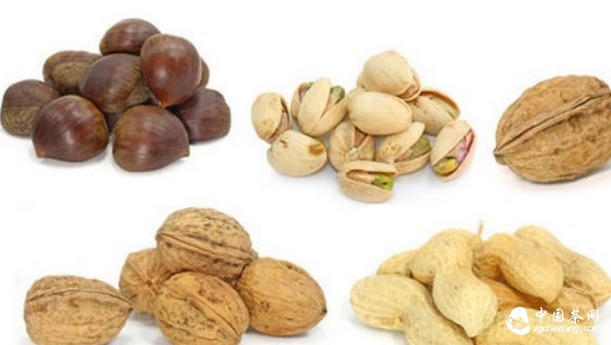
November 7 is the traditional Chinese solar term "Start of Winter" (Lidong), the perfect time for nourishing the body! People with a cold constitution should choose warming tonics, while those with a hot constitution should opt for cooling or neutral tonics. If you choose the wrong tonic or overdo it, it can actually harm the body.
As the cold wind blows, it is once again the perfect time for "winter nourishing"! According to Chinese medicine practitioners, there are 4 principles for nourishing the body at the Start of Winter. It is recommended to add more vegetables and mushrooms to herbal soup bases instead of excessive meat. You can also drink "Goji Berry, Longan, and Red Date Tea" to keep warm, massage the "Yongquan acupoint" on the sole of the foot to promote blood circulation, and adopt the lifestyle habit of "early to bed and late to rise" along with moderate exercise to spend a happy and healthy winter.
November 7 is the traditional Chinese solar term "Start of Winter," marking the beginning of winter. People traditionally nourish the body with herbal dishes such as ginger-duck stew, lamb stew, and medicinal sparerib soup. However, not everyone is suitable for such random nourishing. Over-nourishing can lead to "excessive internal heat" and even increase the risk of cardiovascular disease.
From the perspective of traditional Chinese medicine, people with a cold constitution should take warming tonics, while those with a hot constitution should take cooling or neutral tonics. If you choose the wrong tonic or overdo it, it can harm the body, causing excessive heat that leads to symptoms like hemorrhoids, nosebleeds, and headaches. Patients with diabetes, high blood pressure, gout, or cardiovascular disease should be especially cautious. It is best to consult a Chinese medicine practitioner before selecting an appropriate herbal dish.
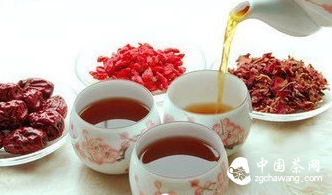
Winter Nourishing Tip 1: Goji Berry, Longan, and Red Date Tea
Ingredients: 1 qian (approx. 3g) goji berries, 1.5 qian (approx. 4.5g) longan, 1 qian (approx. 3g) red dates.
Method: Steep the ingredients in 400ml of hot water. Can be brewed repeatedly for drinking.
Contraindications: Not suitable for those with cold symptoms, sore throat, dry mouth, or excessive internal heat.
Health Tips:
Goji berries help warm the body, relieve fatigue, prevent arteriosclerosis, and slow aging. Longan is warm in nature and sweet in taste, helping to nourish the heart and spleen and replenish qi and blood. Red dates can tonify the middle burner, boost qi, nourish blood, and generate fluids. This tea is especially suitable for people who often have cold hands and feet in winter. However, those with cold symptoms, sore throat, dry mouth, or excessive internal heat should avoid it.
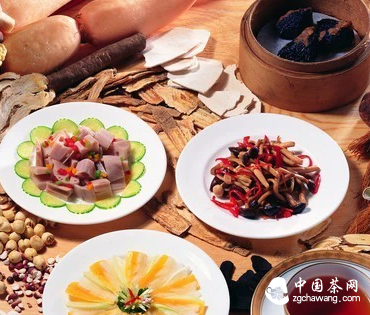
Winter Nourishing Tip 2: Warming Herbal Soup Base
Ingredients: 1-2 qian (approx. 3-6g) dong quai, 1-2 qian (approx. 3-6g) rehmannia, 1-2 qian (approx. 3-6g) stir-fried white peony, 1 qian (approx. 3g) chuanxiong, 1-2 qian (approx. 3-6g) codonopsis, 2-3 qian (approx. 6-9g) poria, 1 qian (approx. 3g) stir-fried atractylodes, 2-3 qian (approx. 6-9g) astragalus, 1 qian (approx. 3g) cinnamon twig, 1 qian (approx. 3g) red dates, 2-3 qian (approx. 6-9g) goji berries, 1 qian (approx. 3g) licorice.
Method:
1. Use enough water to cover the herbs by about 2 cm. Bring to a boil over high heat, then simmer on low heat for about 40 minutes. Strain the liquid to use as a soup base.
2. Adjust the consistency of the soup base by adding water, then add other ingredients.
Contraindications:
1. Not suitable for those with colds, fever, or pregnant women.
2. Those prone to internal heat, or with high blood pressure, heart disease, gout, cardiovascular disease, or rheumatic immune diseases should consult a Chinese medicine practitioner first.
Health Tips:
This soup base is suitable for people of all ages. You can add vegetables, mushrooms, and other ingredients instead of meat to avoid excessive oil and cholesterol intake.
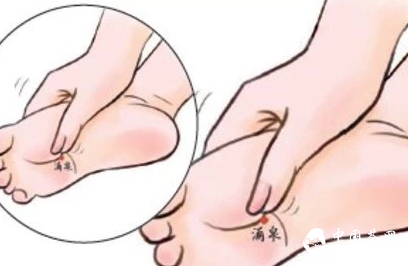
Winter Nourishing Tip 3: Massage the Yongquan Acupoint for Health
For acupressure, the "Yongquan acupoint" at the center of the foot's arch, the "Qihai acupoint" about two finger-widths below the navel, and the "Guanyuan acupoint" about four finger-widths below the navel can promote blood circulation, warm the body, and boost immunity.
Health Tips:
Massage gently and slowly until you feel a slight soreness, distension, or warmth, which helps promote the circulation of qi and blood. In addition, the head, back, hands, and feet contain many important acupoints. Keeping these areas warm helps support the body's yang qi and meridian flow.
Winter Nourishing Tip 4: Early to Bed, Late to Rise – Nourish the Kidneys and Ward Off Cold
In traditional Chinese medicine's five-element theory, the year is divided into five seasons: spring, summer, late summer, autumn, and winter, corresponding to the liver, heart, spleen, lungs, and kidney meridians. In winter, kidney qi is robust, so it is essential to nourish the kidneys and protect against cold. Staying up late can damage kidney qi.
Health Tips:
In winter, the daily routine should follow "early to bed and late to rise." Going to bed early helps preserve the body's yang qi and maintain warmth, while getting up after the sun rises allows you to avoid the cold morning temperatures. Moderate exercise is still recommended in winter, but always warm up beforehand. Elderly or frail individuals should avoid exercising outdoors during cold snaps or heavy wind and rain to prevent stroke, heart attack, or other cardiovascular events.