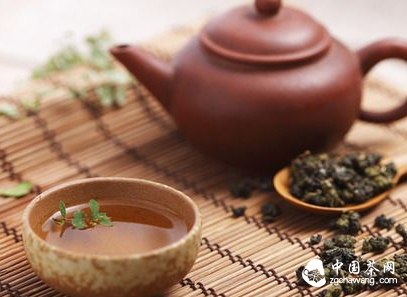
Many people have the habit of drinking tea. The World Health Organization survey shows that tea is the best beverage for middle-aged and elderly people. Tea leaves are rich in vitamins, protein, and fat. Regular consumption can help regulate physiological functions and has significant health benefits.
Shaanxi has many high-quality teas with a long history, excellent ecological environment, and good internal quality. They are aromatic, mellow, beautiful in shape, durable in brewing, and rich in zinc and selenium. Shaanxi tea is one of the best teas in the country and an indispensable health companion for locals.
5 Major Benefits of Tea Drinking for Middle-aged People
1. Helps with Antioxidant Effects
Tea polyphenols have strong antioxidant and physiological activities and are scavengers of free radicals in the human body.
Experimental studies show that 1 mg of tea polyphenols can eliminate harmful excessive free radicals in the human body, with an efficacy equivalent to 9 micrograms of superoxide dismutase (SOD), far higher than other similar substances. Another experiment shows that the anti-aging effect of tea polyphenols is 18 times stronger than that of vitamin E.
2. Helps Prevent and Treat Radiation Damage
Tea polyphenols and their oxidation products have the ability to absorb radioactive substances. Clinical trials have confirmed that tea extracts have a treatment effectiveness of over 90% for mild radiation sickness caused by radiotherapy in tumor patients. For leukopenia, the effective rate of tea extract treatment reaches 81.7%. It also has good effects on leukopenia caused by radiation exposure.
3. Helps Refresh and Energize
Caffeine in tea can stimulate the central nervous system, enhance the excitatory process of the cerebral cortex, help people feel refreshed, and improve thinking and memory.
4. Helps with Diuresis and Fatigue Relief
Caffeine in tea can stimulate the kidneys, promote the rapid excretion of urine, improve the filtration rate of the kidneys, and reduce the retention time of harmful substances in the kidneys. Caffeine can also eliminate excess lactic acid in urine, helping the body relieve fatigue quickly.
5. Helps with Fat Reduction and Digestion
Caffeine, vitamin B1, and vitamin C in tea can increase gastric juice secretion, aid digestion, and enhance fat breakdown. Aromatic compounds in tea can also dissolve fat and prevent fat accumulation in the body.
According to individual differences, middle-aged people should pay attention to the following when drinking tea:
First taboo: Drinking tea on an empty stomach
Drinking tea on an empty stomach allows the nature of tea to enter the internal organs, chilling the spleen and stomach. This is like "inviting a wolf into the house." Since ancient times, China has had the saying "don't drink tea on an empty stomach."
Second taboo: Drinking scalding hot tea
Excessively hot tea strongly stimulates the throat, esophagus, and stomach. Long-term consumption of such tea may cause lesions in these organs. According to foreign research, people who frequently drink tea at temperatures exceeding 62°C are more prone to gastric wall damage and stomach diseases. The ideal drinking temperature should be below 56°C.
Third taboo: Drinking cold tea
Warm or hot tea can refresh the mind, sharpen hearing and vision; cold tea, on the other hand, can cause coldness and phlegm accumulation in the body.
Fourth taboo: Strong tea
Strong tea contains high amounts of caffeine and theophylline, which are irritating and can easily cause headaches and insomnia.