Is your stomach one of the following types?
1. “Smoke Stomach”: People who develop stomach problems from smoking. In social settings, offering cigarettes is common, and many mental workers also like to light up while thinking to relax or “spark inspiration.” Over time, it becomes hard to control and they unconsciously smoke more, damaging the gastric mucosa and leading to conditions such as gastritis and ulcers.
2. “Soup Stomach”: Those who habitually drink large amounts of soup on an empty stomach, quickly filling the stomach with liquid. Without sufficient grains and staple foods for nourishment, the stomach qi weakens over time, leading to stomach ailments.
3. “Junk Food Stomach”: Busy individuals not only have irregular meal times but also eat whatever is available when hungry—spicy, fried, raw, cold, salty, fermented foods, as well as tobacco, alcohol, strong tea, coffee, and various nutrient-poor junk foods. This indiscriminate eating can lead to stomach cancer.
4. “Alcohol Stomach”: For those whose lives revolve around drinking at banquets and social events, the notion of protecting the stomach often evaporates with the alcohol. By the end, they often feel a bitter dry mouth, a burning sensation in the stomach, and stomach pain.
5. “Sleep-Deprived Stomach”: Even without work reasons, many people stay up late playing. This unhealthy lifestyle disrupts stomach acid secretion, and over time leads to stomach problems.
6. “Stress Stomach”: In times of economic downturn, work pressure increases and schedules become busier. To achieve good results, meals are often irregular, leading to stomach dysregulation.
7. “Mixed Stomach”: The cumulative effect of multiple factors above damages the stomach even more, causing frequent stomach issues, commonly seen in white-collar male workers.
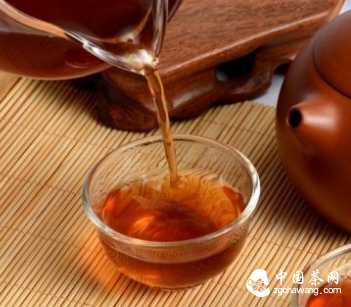
In fact, drinking tea can easily resolve a series of “stomach” problems, especially Pu'er ripe tea. The tea polyphenols in ripe tea undergo enzymatic oxidation, reducing their content and thereby lessening irritation to the stomach, giving it the unique effect of nourishing the stomach.