To help identify pure authentic autumn tea, the following points can be helpful.
Feature 1: Crisp Sound When Thrown into Cup
Dry tea that is tightly bound and makes a crisp sound when thrown into a cup indicates autumn tea. To identify, take a small amount of dry tea and throw it into a covered bowl. If it makes a crisp sound, it is autumn tea. If the sound is dull, it is likely summer tea. This is because authentic autumn Tieguanyin has a tight, thick, heavy, and solid appearance, producing a louder sound when thrown, while summer tea is loose and light, resulting in a relatively muffled sound.
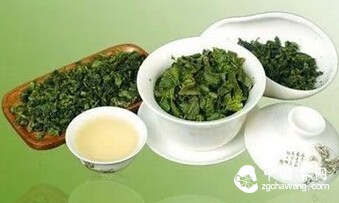
Feature 2: Bright Green with Luster
Dry tea that is bright green and glossy indicates autumn tea. The color and glossiness of dry tea are also intuitive identification methods. Authentic autumn Tieguanyin dry tea should be bright green. To identify, take a small amount of dry tea under light. If it appears green with good luster, it is authentic autumn tea. If the color is dark and lacks luster, it is generally summer tea.
However, if the tea shows a spring tea color—dark oily color (like the frost on dried persimmons)—it is not only authentic autumn tea but also high-quality autumn tea.
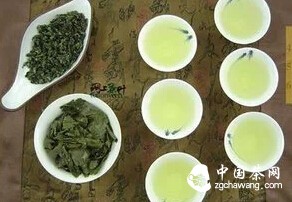
Feature 3: Fresh Fruity Aroma
A fresh fruity fragrance indicates authentic autumn tea. After brewing, autumn Tieguanyin tea has a distinct fresh fruity and floral aroma, known as the "seeking fragrance." If this aroma is absent, it can be considered not autumn tea. In terms of smell, the biggest difference between autumn Tieguanyin and tea from other seasons is one of the easiest identification methods for ordinary people. Summer tea, on the other hand, often has a fishy or unpleasant smell.
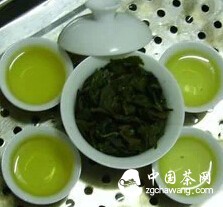
Feature 4: Soft and Concave Leaf Bottom
A soft and concave leaf bottom indicates autumn tea. After brewing several times, take out two or three leaves, spread them out, and examine them. If the leaf bottom is soft and concave, it can generally be considered authentic autumn Tieguanyin. If the leaf bottom is hard and rough, it is not autumn Tieguanyin.