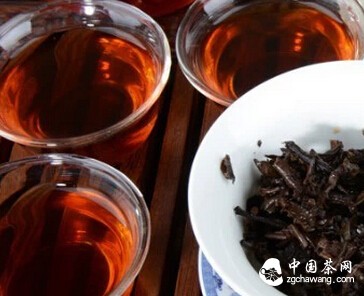
Sweetness, bitterness, astringency, sourness, wateriness, tastelessness — these several flavors are common in Pu'er tea. These flavors may appear alone in a particular infusion of Pu'er tea, or multiple flavors may coexist. Sweetness is the dream of every Pu'er tea drinker. Bitterness and astringency are originally unique flavors of tea leaves, and veteran tea drinkers especially tend to appreciate a moderate amount of bitterness and astringency. Sourness and wateriness, however, are the least liked by everyone, so it is crucial to avoid wateriness and sourness as much as possible. As for tastelessness — if tea has no taste, it can no longer be called tea!
Sweetness. It's not just children who love sweet flavors; even adults enjoy sweetness. But thick, sugary sweetness often feels cloying, arousing both desire and fear. The faint, subtle sweetness in tea is so elegant and refined; it can satisfy the inner craving for sweetness without harming health. The sweetness of Pu'er tea is elevated to an artistic realm.
Pu'er tea belongs to the large-leaf tea variety, with a composition that is quite saturated and rich. After long-term aging, the bitterness and astringency gradually weaken due to oxidation, while the sugar content remains in the leaves. When brewed, the sweetness slowly releases into the Pu'er tea, giving it a sweet taste.
In fine Pu'er tea, as you steep it towards later infusions, the sweetness becomes increasingly pronounced. Among the ranks of Pu'er teas, the Honglian Round Tea and the Round Tea Iron Cake were originally made from the same batch of Pu'er tea leaves, but due to different processing methods, both teas possess a honey-like sweetness, making them top-tier Pu'er teas.
Bitterness is originally the fundamental taste of tea. In ancient times, tea was called "bitter tea." The earliest wild tea had a broth so bitter it was hard to swallow. Through our ancestors' long-term cultivation, wild tea gradually transformed into the cultivated tea trees of today. What was once an unbearably bitter taste has become the light, bitter tea flavor that people savor in tea tasting, and has even evolved into a way to taste the bitterness and sweetness of life itself — truly a great realm in the evolution of Pu'er tea.
Pu'er tea has bitterness because it contains "caffeine." The reason tea can refresh and sharpen the mind is precisely because of this caffeine, which has a stimulating effect on the human nervous system. True Pu'er tea connoisseurship does not rely on bitterness to invigorate the mind, but rather on experiencing the sweet aftertaste (huigan) to appreciate the tea's sweetness. Pu'er teas made from relatively tender leaves tend to have a bitter taste. As for handling bitterness, it is usually controlled through brewing methods.
It is often said that a tea is not real tea if it lacks bitterness and astringency. In fact, teas that have aged significantly have already lost their bitterness and astringency.
The astringent sensation in tea is due to the presence of "tannins." Pu'er tea is made from large-leaf tea material, which contains a higher amount of "tannins" than ordinary tea leaves. Therefore, young raw Pu'er tea is very rich and has a particularly strong astringent sensation. A moderate level of astringency is acceptable to tea tasters, as it causes the oral muscles to contract and tighten. However, if the astringency is too strong, it affects the true flavor of Pu'er tea. Therefore, the astringency in a true Pu'er tea should be moderate, and it is best not to drink overly raw tea.