Do you need to "rinse tea" when brewing?
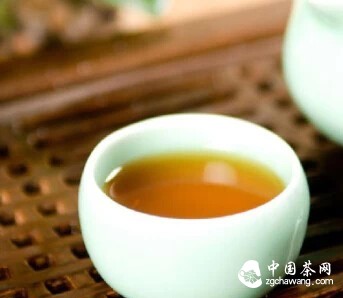
I. What does "rinsing tea" actually rinse?
1. Is rinsing tea about rinsing off "dirt"?
Current tea production and processing, at least for moderately large factories, generally meet clean production standards. Even for smaller farms or workshops, tea processing can essentially avoid contact with the ground. The "dust" on tea leaves mainly consists of tea hairs and tiny particles from processing, not soil or dirt. Therefore, there is no "dirt" to rinse.
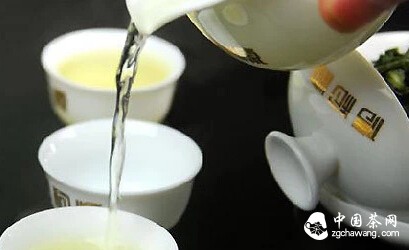
2. Does "rinsing tea" remove pesticide residues?
In today’s China, food safety has become a hot topic. As a beverage closely related to daily life for most Chinese, tea safety is also highly concerned. Overall, Chinese tea is safe. Commercially available, quality-certified tea leaves meet national standards for various indicators, including pesticide residues and heavy metals. Under these safety standards, any trace amounts of pesticide residues in tea are primarily fat-soluble. In other words, tea with qualified pesticide residue indicators produces safe tea liquor.
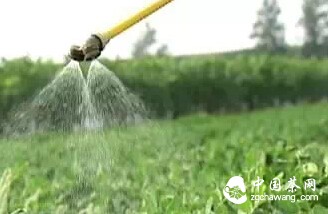
Clearly, rinsing tea is not about removing pesticide residues.
II. "Rinsing tea" is actually "wetting tea"
For everyday enjoyment, brewing tea is simply using the right method to dissolve the soluble substances in tea leaves into water, creating a uniform liquor to savor the tea's wonderful flavor and aroma.
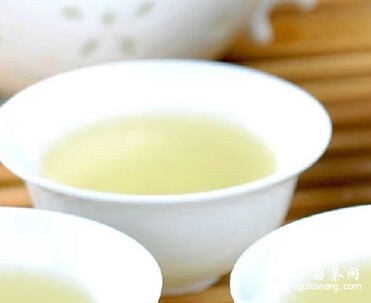
In the context of tea art and tea evaluation, the step commonly called "rinsing tea" is often referred to as a "conditioning infusion" or "awakening the tea." Its main purpose is to moisten the tea leaves, making it easier for flavor substances to dissolve and allowing the tea’s aromatic compounds to release at the right temperature.
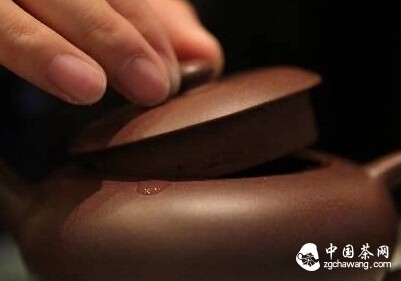
In other words, the common practice of "rinsing tea" is fundamentally about "wetting the tea."
III. Recommendations on "wetting tea"
Once tea leaves are brewed with water, the water-soluble components gradually dissolve into the water. Therefore, wetting tea needs to be handled carefully.
Experiments show that when tea leaves come into contact with hot water, some substances dissolve in just a few seconds. The first substances to be extracted include vitamins (which give a refreshing taste), amino acids (which give umami), and alkaloids (which give a stimulating taste). If the wetting time is too long, the discarded tea liquor will contain a large amount of these vitamins, amino acids, alkaloids, and other nutrients. This shows that the common practice of "rinsing tea" for 5-10 seconds or even longer washes away many nutritional and flavor essences.
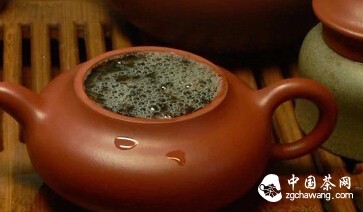
Whether to wet tea during daily brewing can be decided based on factors like the tenderness of the leaves, the shape and tightness of the tea, the degree of rolling and fermentation, and the temperature at which the tea’s main aromas are best released. Specifically, we offer the following advice:
1. Green tea usually does not need wetting, otherwise it may lose amino acids easily.
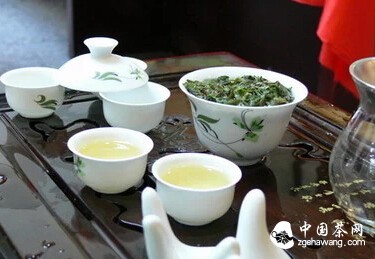
2. For teas with fine, tender leaves, the internal substances dissolve relatively quickly in water, so wetting is not recommended.
3. Fermented teas like Keemun black tea, which are relatively fine and small in shape, are not recommended for wetting.
4. For compressed teas like Pu'er, which are rich in substances, moderate wetting during brewing can be beneficial.
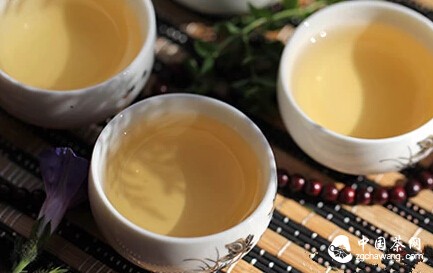
5. When wetting tea, the water temperature should not be too high; it can be slightly lower than the brewing temperature.
6. When wetting, the water should be poured out quickly, and the soaking time should be as short as possible, around 2-3 seconds. Otherwise, nutrients and flavor compounds will still be lost during this process, affecting the quality of the tea liquor.