First: Treating tea as a kind of medicine, drinking it in hopes of achieving some beneficial effect on the body, such as improving eyesight, losing weight, diuresis, lowering blood pressure, reducing fat, etc. Tea does have some pharmacological effects, which people recognized in ancient times, as described in the famous Compendium of Materia Medica. However, the "medicinal effects" of common teas are relatively weak, and achieving therapeutic effects is very slow, requiring long-term persistence. If you are already ill, using tea to treat the illness often fails to produce practical results. Therefore, from a pharmacological perspective, it might be more appropriate to define it as a health function. In contrast, teas blended with traditional Chinese herbs are much more effective, as they are specifically formulated for targeted purposes. The quotation marks around "tea" are used here because many of these products are not actually tea but are consumed in a similar way. Nevertheless, such herbal preparations are still widely accepted as "tea" by the public.
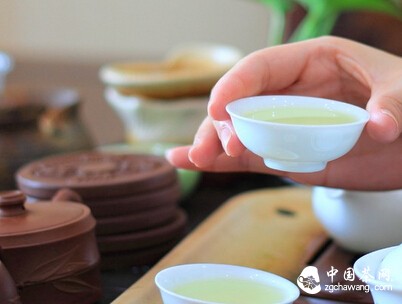
Second: Due to long-term habits in daily life, drinking tea becomes an addiction; it may even become a daily necessity, indispensable for a day or even for every meal, much like salt in our diet. A typical example is the people in Mongolia and Tibet regions of China, whose diet is mainly meat-based and lacks vegetables. Tea has become an essential part of their daily life, requiring large quantities to "counteract" the accumulation of fat from high meat consumption and to supplement vitamins.
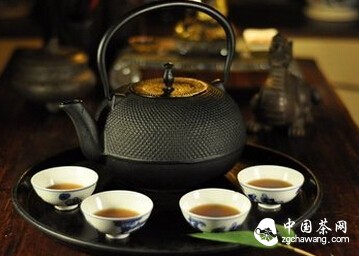
Third: Drinking tea becomes a natural or social habit, serving as a general beverage. Sometimes it is similar to smoking—you can do without it, but having some tea is also fine; some people do not drink tea themselves but keep tea leaves at home for entertaining guests. "Let's have tea together" itself is a very good invitation.
Fourth: Treating tea as a precious and noble beverage, drinking it is a spiritual enjoyment, an act with aesthetic and artistic qualities, or a method of self-cultivation. For example, the Japanese tea ceremony. Physiological and spiritual effects are inherently unified. At this stage, drinking tea perfectly merges its physiological and spiritual functions. Lu Yu's The Classic of Tea roughly embodies such a realm.