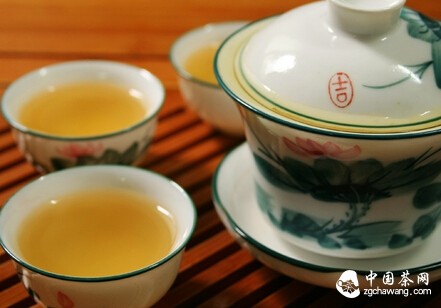
Chinese people like to entertain guests with tea. A seemingly simple cup of tea contains many unspoken rules. Not only is the brewing process important, but also the way tea is poured, tasted, and refilled has its own customs. Here are some essential Chinese tea etiquette tips that you should know. Learn these tea manners and treat a cup of tea with the most traditional respect.
1. Fill wine to the brim, tea to the half
Wine is served cold, so a full cup won't burn the guest's hand, but tea is hot. A full cup can burn the guest's fingers, and sometimes cause the cup to drop and break, embarrassing the guest.
2. Respect elders first, then the young
When offering tea, say "Please have some tea" to each person. The guest may reply with "Don't stand on ceremony" or "Thank you." In a group setting, cups are placed in front of each person. When pouring tea for the first time, serve the elderly and respected first, then the young. The second round can be poured in order.
When receiving tea, the guest should show gratitude:
If the guest is an elder, lightly tap the table twice with the middle finger. If the guest is of the same generation or younger, tap the table twice with the index and middle fingers.
3. Serve guests first, then the host, and the tea master last
When serving tea, not only should you follow seniority and order, but you should also serve guests and visitors before family members. After everyone present has had tea, the person brewing the tea (called the "cabinet chief" or tea master) may drink. Otherwise, it is considered disrespectful to the guests, implying the host is arrogant and rude.
4. Respect the host—don't scrape the cup or make noise
When drinking tea, the guest should not scrape the cup rim against the tea tray. When placing the cup down after finishing, do so gently without making noise. Such behavior is seen as challenging the host or deliberately provoking them.
5. Frowning while drinking tea indicates dislike
Guests should not frown while drinking tea. This is a warning signal to the host, who may interpret it as dislike of the tea or dissatisfaction with its taste.
6. The first infusion is for washing, the second is for drinking
When brewing tea, the first infusion must be poured away and not drunk. In the past, tea leaves were trampled by feet during processing, so the first brew was considered unclean. In the local Minnan dialect, this is called "first brew for the feet, second brew for drinking." Serving the first brew to a guest is seen as an insult.
7. Change tea when a new guest arrives
If a new guest arrives while tea is being served, the host should welcome them by immediately changing the tea. Otherwise, it is seen as neglect or disrespect. The second infusion after changing the leaves should be offered to the new guest first. If the new guest repeatedly declines, it is considered impolite.
8. The silent dismissal
Local people are warm and hospitable, often serving strong tea to guests. However, if the host has work to do, finds the conversation unpleasant, or the guest's late visit affects sleep, the host may deliberately stop changing the tea leaves. The guest should understand this as a silent hint to leave, or risk annoying the host.
9. Tea without color
When serving tea, the host should continue to change the leaves as the tea weakens. If the leaves are not replaced, it is considered "tea without color." This has two meanings: first, the host is being indifferent and not fulfilling their duty as a host; second, by extension, it implies disrespect or lack of seriousness in handling matters.
10. Three for tea, four for wine, two for a walk
In Chaoshan, it is customary to place three cups on the tea tray, based on the saying: "Three for tea, four for wine, two for a walk." It is believed that tea should be enjoyed by three people, wine by four (for easy drinking games), and outings or sightseeing are best done in pairs, so that opinions can easily align.