Do not drink tea on an empty stomach:
Drinking tea on an empty stomach will dilute gastric acid, inhibit gastric juice secretion, hinder digestion, and may even cause symptoms such as heart palpitations, headache, stomach discomfort, blurred vision, and irritability—known as "tea drunkenness." It also affects protein absorption and can cause gastric mucosal inflammation. If "tea drunkenness" occurs, it can be alleviated by holding candy in the mouth or drinking some sugar water.
The ancients said: "Do not drink empty-hearted tea." Because tea leaves contain alkaloids such as caffeine, drinking tea on an empty stomach easily allows the intestines to absorb too much caffeine, which may cause temporary symptoms of adrenal cortical hyperfunction in some people, such as palpitations, dizziness, weakness in hands and feet, and mental confusion. This not only leads to gastrointestinal discomfort and loss of appetite but may also impair the normal function of the nervous system. Drinking tea on an empty stomach allows the nature of tea to enter the lungs and chill the spleen and stomach, equivalent to "inviting a wolf into the house." Therefore, since ancient times, China has had the saying "do not drink empty-hearted tea."
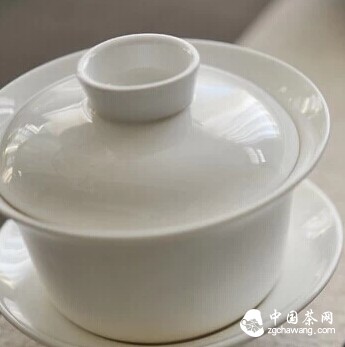
Drinking weak tea on an empty stomach is less harmful. It is necessary to pour off the first infusion and drink the second infusion. Adding a little sugar and an appropriate amount of white chrysanthemum to the tea is even better.
Do not believe the saying that drinking tea on an empty stomach in the morning can cleanse the intestines and stomach. Drinking a glass of light salt water or honey water on an empty stomach in the morning is the proper and safe way to cleanse the intestines and stomach.