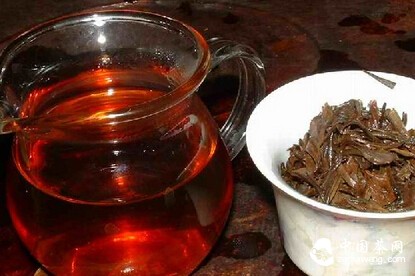
Since ancient times, traditional Chinese medicine has used tea as medicine. Li Shizhen recorded in the Compendium of Materia Medica that "tea, in terms of its nature, is bitter, sweet, and slightly cold, non-toxic." He also provided methods for using tea to treat various diseases. The Tang Dynasty tea sage Lu Yu said in The Classic of Tea: "The nature of tea is extremely cold; it is most suitable for drinking." The Tang Dynasty writer Gu Kuang wrote in Ode to Tea that tea can "counteract the greasiness of meat, refresh the spirit during summer heat, and dispel drowsiness through the night." The tea natures mentioned above are all based on raw tea, which is quite different from dark tea, a fully fermented ripe tea.
Dark tea has a medicinal nature that is bitter, sweet, and neutral, possessing dual-regulating properties. It can both clear internal heat and warm the stomach, dispelling cold, regulating chronic diarrhea due to deficiency-cold, awakening the mind and benefiting thinking, harmonizing the stomach and generating fluids, strengthening the spleen and removing dampness, and promoting digestion and resolving food stagnation. In regulating the human body, dark tea is most effective for excess syndromes such as heat-toxin, warm-heat, and food accumulation, and also has a significant effect on deficiency-cold gastrointestinal symptoms. It is a typical type of beverage that combines both warming and supplementing effects. The high-paced modern lifestyle, high-calorie and high-fat dietary habits, and frequent consumption of spicy, strong-flavored foods are precisely the sources of many human diseases. Therefore, traditional Chinese medicine advocates drinking dark tea for health care and disease prevention before onset.