Step 1: Wash hands and appreciate the utensils

That is, wash your hands. Hygiene is important for drinking tea. First, present the tea to the guests and invite them to appreciate the tea, then appreciate the utensils: Fine tea drinking emphasizes using Jingdezhen porcelain or Yixing purple clay pottery as the best. This is all to prepare a relaxed mood before drinking tea.
Step 2: Scald cups and warm the pot
That is, rinse all tea utensils with boiling water. The purpose is also for hygiene and cleanliness, and to preheat the tea set, so that the flavor of the tea will be more aromatic. Pour boiling water into the purple clay pot, fairness cup, aroma cup, and tasting cup. Some also call this cleaning and warming.

Step 3: "The Dragon Enters the Palace"

Put the tea leaves into the utensil, which is the process of adding tea to the pot. The name sounds nice, the procedure is simple, and during a performance, some fancy moves can be added to enhance the tea charm.
Step 4: Rinse the tea
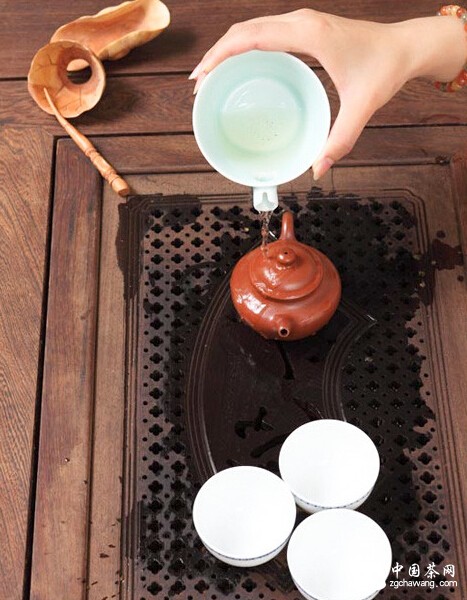
Pour boiling water into the pot, let the water and tea leaves come into brief contact, then quickly pour it out. The purpose is to remove impurities from the surface of the tea leaves and to filter out any poorly processed leaves.
Step 5: Brewing
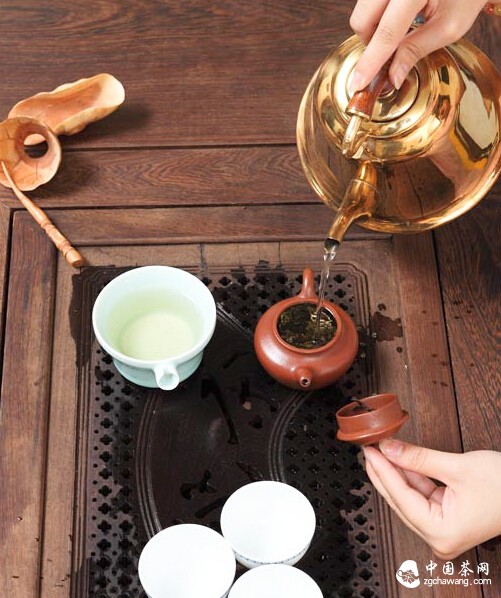
Pour boiling water into the pot again. During pouring, the spout should "nod" three times. Do not fill the pot all at once. The tea ceremony procedures are actually just for aesthetics.
Step 6: "Spring Breeze Caresses the Face"

This is entirely for visual appeal. The water should rise above the rim of the pot. Use the lid to brush off the tea froth and remove any floating leaves, so that only the tea liquor is drunk and the floating leaves do not enter the mouth.
Step 7: Seal the pot

Cover the lid to preserve the aroma of the brewed tea leaves inside. Pouring boiling water over the outside of the pot serves the same purpose.
Step 8: Divide the cups

This is the step to prepare for drinking tea. Use tea tongs to separate the aroma cups and tasting cups, placing them on coasters for easy pouring of tea.
Step 9: "Return the Jade Liquid to the Pot"

Gently pour the tea from the pot into the fairness cup, so that everyone can enjoy tea with the same color, aroma, and taste. This provides spiritual enjoyment and sensory stimulation. Simply put, it is to pour a cup of tea for each guest.
Step 10: Distribute the tea

Then pour the tea liquor into each guest's aroma cup. The tea ceremony procedure fills the cup to seven-tenths full, showing respect to the guests.
Step 11: Present the tea

Present the cup to the guest with both hands. Pay attention to the etiquette of pouring tea, which is the fundamental ancient Chinese ritual of serving tea to guests.
Step 12: Smell the aroma

This is the step where the guest begins to savor independently. The guest pours the tea into the tasting cup and gently inhales the lingering fragrance in the aroma cup. It is best to show an expression of intoxication, indicating appreciation and admiration for the host's tea.
Step 13: Taste the tea

Now, finally, you can drink the tea! The guest picks up the tasting cup with three fingers and takes three small sips slowly. Then set it down. This can be repeated during conversation, showing the status and indispensable role of tea in social interaction.
The tea ceremony operation process is as described above. I hope that after reading this, everyone can understand its true essence. Every step of brewing tea has its significance and meaning. Although we do not need such elaborate steps in daily tea drinking, when receiving guests or during tea art performances, all steps should be carried out properly.