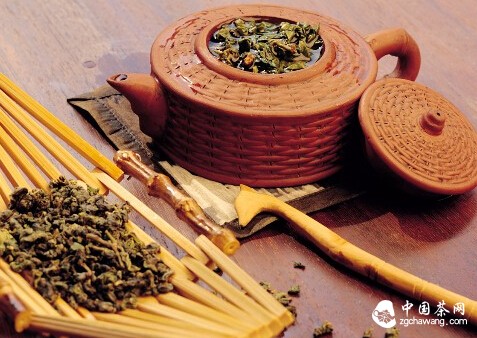
Why can tea be stored for a long time?
Because tea polyphenols have antibacterial and antiseptic pharmacological functions.
In fact, many effects of tea are due to the tea polyphenols in tea leaves. Tea polyphenols can be used for food preservation and antiseptic purposes, with no toxic side effects and safe for consumption. Tea can be stored for a long time without spoiling, which is something other leaves, vegetables, or flowers cannot achieve.
Tea polyphenols have strong antioxidant properties. Among them, catechins protect pigments and vitamins in food, helping food maintain its original color and nutritional level over a longer period, effectively preventing food spoilage and eliminating odors.
When tea polyphenols are added to other organic substances (mainly food), they can extend the storage period, prevent food from fading, improve cellulose stability, and effectively protect various nutritional components in food.
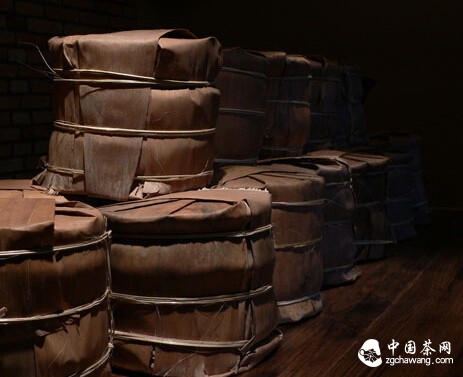
Newly purchased green tea from a tea shop tastes great at first, but after a while, the flavor is not as good as before. What is the reason? What should we pay attention to when storing tea in daily life? Here are some tea storage tips.
Store tea away from high temperatures: The optimal storage temperature for tea is 0 to 5°C. If the temperature is too high, the sugars, amino acids, vitamins, and aromatic substances in the tea will be decomposed and destroyed, reducing the quality and aroma of the tea.
Store tea away from sunlight: Prolonged exposure to sunlight promotes the oxidation of tea pigments and esters, causing chlorophyll to decompose into pheophytin. Tea should not be stored in glass containers because, when stored in glass jars or transparent plastic bags, exposure to sunlight triggers chemical reactions that deteriorate the quality of green tea.
Tea should not be in contact with oxygen for a long time: Chlorophyll, vitamin C, esters, aldehydes, and other substances in tea easily combine with oxygen in the air. Oxidized green tea will turn the tea soup redder and darker, greatly reducing its nutritional value.
The storage space for tea should not be too humid: Tea is a porous and hydrophilic substance with strong moisture absorption capacity. When storing tea, the humidity should ideally be around 60%. If it exceeds 70%, the tea is likely to absorb moisture, develop mold spots, and become acidic and spoiled.
In hot summer weather, tea containers should be placed in a cool place.
Tea easily absorbs moisture and deteriorates. It has a strong adsorption capacity for moisture and odors, while its aroma is easily lost. Improper storage of tea can lead to adverse biochemical reactions and microbial activity, resulting in quality degradation.
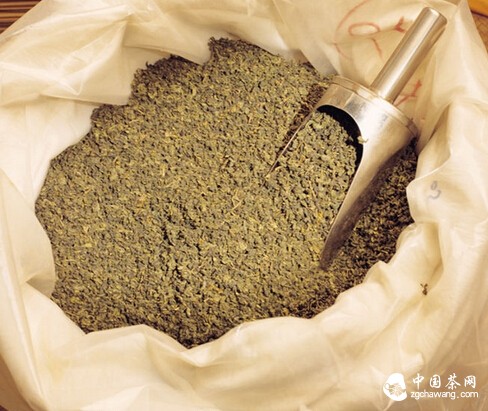
Therefore, the choice of container and method for storing tea requires some skill and attention.
(1) General storage method.
For small amounts of tea at home, people usually use iron tea canisters with colored lids, tin bottles, colored glass bottles, and ceramic containers. Among these, double-lid iron tea canisters and long-neck tin bottles are preferred. When using ceramic containers for tea storage, those with small openings and large bellies are most suitable. Check that the container is airtight, fill it tightly with tea to reduce the air inside. This method is simple and convenient, but only suitable for short-term storage.
(2) Storage method using quicklime.
Using desiccants can extend the storage life of tea to about one year. Quicklime is a desiccant. When using quicklime to store tea, first wrap the tea in thin kraft paper, tie it tightly, and layer it around the inside of a dry, odor-free jar or a small, rust-free, odorless iron bucket. Place one or several bags of partially weathered quicklime in the middle, then place several tea packets on top. Seal the mouth of the jar with kraft paper, cover it, and store in a dry place. Replace the quicklime every 1 to 2 months. Since the tea is less likely to absorb moisture, this method allows for longer storage, and the tea quality does not easily change as long as the quicklime is replaced on time.
(3) Storage method using food bags.
Use two new, odorless, non-porous plastic food bags. Wrap the dried tea in moisture-proof paper, place it inside one bag, gently press to expel the air, and tie the bag tightly. Then place the second bag in reverse over the first bag, expel the air, and tie it tightly. Finally, store it in a dry, odorless, sealed iron bucket.