Pu'er Tea Knowledge Compendium: Remember It and You'll Be a Tea Master!
This article helps beginners quickly understand Pu'er tea, covering concepts such as what Pu'er tea is, how to distinguish raw and ripe tea, the production process, storage methods, tea regions, and tasting terminology. It is a comprehensive entry-level guide....
Tea News · Jun 20, 2026
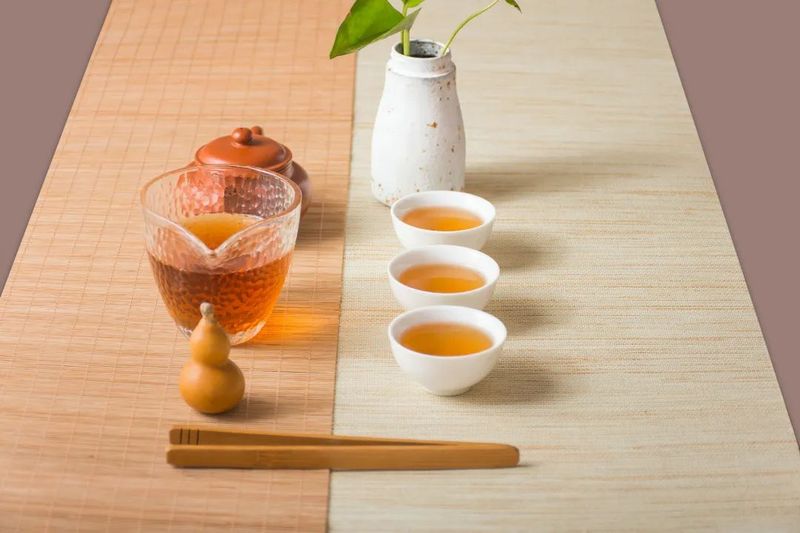
Things You Must Know About Pu'er Tea!
Pu'er tea has many myths and facts worth knowing. Ancient tea trees are not necessarily large; frequently picked ones can be small. Aged Pu'er can be valuable but may not come from large trees. Trunk diameter does not reliably indicate age. White fuzz on leaves indicates pest resistance, not necessa...
Tea News · Jun 09, 2026
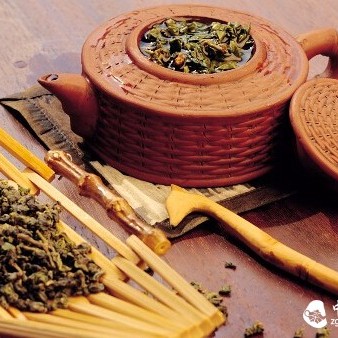
Tea Storage Tips
This article explains why tea can be stored for a long time thanks to the antibacterial properties of tea polyphenols, and shares practical tips for preserving tea freshness. Key storage methods include keeping tea away from high temperatures, sunlight, oxygen, and moisture. Recommended storage cont...
Tea News · May 22, 2026
Never Use Your Hands to Pick Up Tea Leaves Directly
When serving tea at home, never pick up tea leaves with your hands, as this can damage the tea's dryness and introduce moisture and bacteria, accelerating spoilage. In tea ceremony tradition, dedicated tea spoons made of stainless steel, wood, or bamboo are recommended. After use, store the spoon in...
Tea News · May 17, 2026
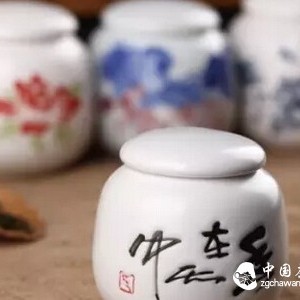
Which is better for storing tea at home: tin canister, porcelain jar, or purple clay jar?
For tea enthusiasts, choosing the right storage container is crucial for preserving the quality and aroma of different teas. Tin canisters are highly regarded for their excellent sealing and oxidation resistance, making them ideal for long-term storage of fragrant teas like Phoenix Dancong. Traditio...
Tea News · Mar 10, 2026
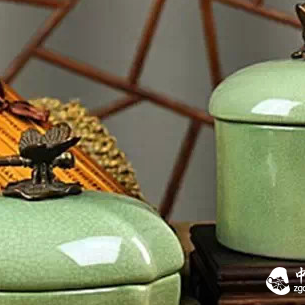
Five Clever Methods for Storing Tea at Home
Proper home tea storage is essential to maintain flavor and freshness. Tea generally prefers dry, cool environments and is sensitive to moisture and strong odors. Effective storage requires airtight, odor-free containers with good moisture resistance. This article outlines five practical methods: ge...
Tea News · Feb 03, 2026
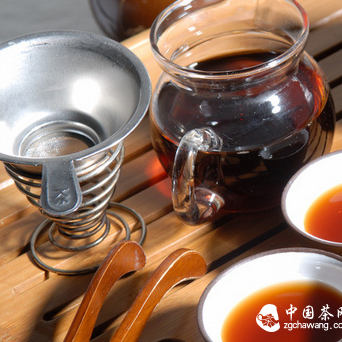
Do You Really Need to Drink Pu-erh Tea?
This article questions the motivations behind drinking Pu-erh tea, moving beyond its famed 'aging' property and robust flavor. It suggests that similar experiences can be found in other teas like Wuyi Rock tea or Liubao tea. The core message urges readers to introspect whether their interest is genu...
Tea News · Jan 27, 2026
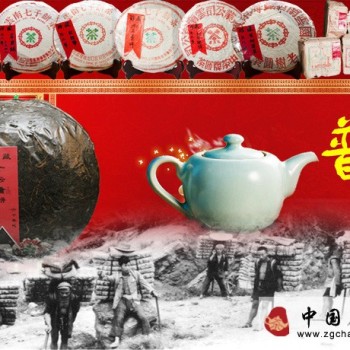
Pu'er Collection: The "Four Realms" of Tea Storage
This article explores the four philosophical realms of Pu'er tea storage. The first realm is 'Unintentional' - where tea is stored casually yet develops unique characteristics. The second is 'Deliberate' - involving controlled storage techniques while maintaining balance. The third realm is 'Seclusi...
Tea News · Dec 01, 2025
How to Buy Tea That Suits You in a Tea Shop
When entering a tea shop, it's important to first determine your purpose for buying tea - whether for investment, decoration, collection, or immediate consumption. For investment, consider factors like total quantity and market response. For decoration, focus on appearance and historical significanc...
Tea News · Nov 22, 2025
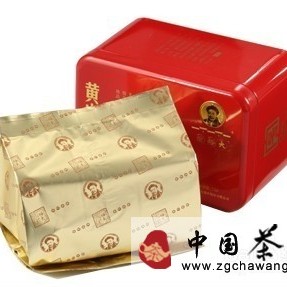
Storage of Huangshan Maofeng
Huangshan Maofeng tea requires proper storage methods to maintain its quality. Three effective storage techniques include: the charcoal storage method using activated charcoal to absorb moisture; the plastic/aluminum foil bag method which involves vacuum-sealing and refrigeration; and the metal can...
Tea News · Oct 18, 2025