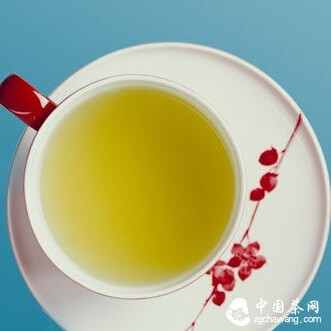
Tea Over 70°C Causes Cancer: Too Terrifying!
Research shows that drinking tea hotter than 70°C significantly increases the risk of esophageal cancer. On the other hand, tea—especially green tea—contains antioxidants like tea polyphenols that may help prevent certain cancers, including prostate, ovarian, and skin cancer....
Tea News · Jun 26, 2026

Chewing tea leaves can relieve tooth sensitivity
Chewing tea leaves can help relieve tooth sensitivity. Tea is rich in fluoride and tea polyphenols, which strengthen enamel and reduce acid erosion. Low-grade tea actually contains more fluoride than high-grade tea. This simple remedy uses leftover tea or fresh leaves to ease discomfort and prevent...
Tea News · Jun 20, 2026

Can milk and tea be consumed together?
Modern science has found that people who drink more tea have a lower incidence of chronic diseases like cardiovascular issues, likely due to tea polyphenols. However, milk proteins may bind with these polyphenols, potentially affecting their absorption. While test-tube experiments showed reduced ant...
Tea News · Jun 17, 2026

Pharmacological Effects of Tea
The medicinal use of tea has a history spanning thousands of years in China. Modern research has confirmed that tea, particularly due to its active compounds like tea polyphenols, caffeine, and lipopolysaccharides, offers a wide range of pharmacological benefits. These include anti-cancer, anti-radi...
Tea News · Jun 08, 2026

Tea Ceremony and Health Preservation
Tea is recognized by medical experts worldwide as a health beverage. China, as the homeland of tea, has a five-thousand-year history of its use, evolving from medicinal to edible to beverage form. Modern research shows that tea contains beneficial components such as alkaloids, which enhance mental f...
Tea News · Jun 07, 2026
The Beauty of Tea Tasting
China is the hometown of tea, where tea is highly valued. Rich in iron, calcium, phosphorus, vitamins, amino acids, and various enzymes, tea is especially effective in refreshing the mind, clearing vision, and relieving summer heat. It contains tea polyphenols, a natural antioxidant that helps detox...
Tea News · May 30, 2026
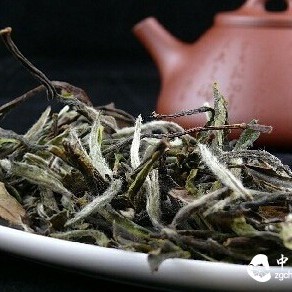
Fuding White Tea with Rich Health Benefits
According to the Compendium of Materia Medica, white tea is cold in nature and comparable to rhinoceros horn in efficacy. Traditional Chinese medicine believes white tea has cooling, fever-reducing, and detoxifying effects. Fuding white tea, made through natural withering and drying without frying o...
Tea News · May 27, 2026
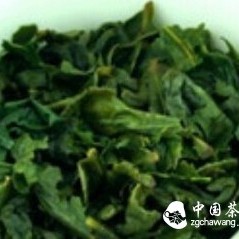
What Is the Function of Tieguanyin?
Often likened to the prime minister in the tea market, Tieguanyin's success is largely attributed to its rich content of tea polyphenols. These compounds, primarily catechins, offer significant medical benefits such as anti-cancer and anti-aging effects by scavenging free radicals. Additionally, the...
Tea News · May 25, 2026

Tea Storage Tips
This article explains why tea can be stored for a long time thanks to the antibacterial properties of tea polyphenols, and shares practical tips for preserving tea freshness. Key storage methods include keeping tea away from high temperatures, sunlight, oxygen, and moisture. Recommended storage cont...
Tea News · May 22, 2026
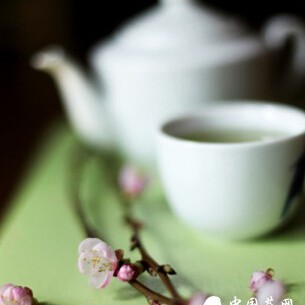
It is said that tea is nutritious. What exactly is in tea?
The article explains the key nutritional components found in tea, including tea polyphenols (antioxidants , amino acids (especially theanine , alkaloids like caffeine, various vitamins, fluoride for dental health, and carbohydrates. These components contribute to tea's health benefits such as anti-a...
Tea News · May 20, 2026