Tea aroma is complex in composition, and its formation is influenced by many factors such as variety, region, cultivation conditions, fresh leaf quality, and processing methods. Famous tea expert Shi Zhaopeng, in his book Tea Evaluation and Inspection, categorized the aromas of finished teas into the following nine types. Let’s take a look—what aroma type does your cup of tea belong to?
1. Downy Aroma Type
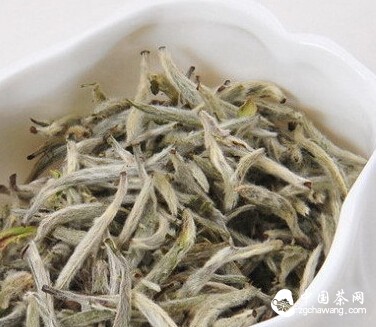
Dry tea with prominent white downy hairs releases a distinctive aroma when brewed, known as downy aroma. Fresh leaves with white downy hairs, at a tenderness of one bud and one leaf or higher, may produce this aroma through normal processing.
Tea examples: Silver needle teas typically have a typical downy aroma. Some Maojian and Maofeng teas exhibit a tender aroma mixed with downy notes, such as Baihao Yinzhen, Junshan Yinzhen, and Huangshan Maofeng.
2. Tender Aroma Type
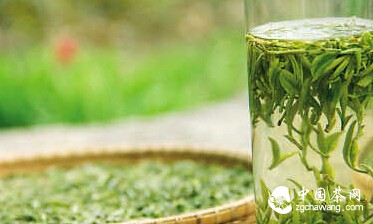
A fresh and tender aroma of tea. When fresh leaves are tender and soft, with one bud and two leaves just unfolding, and processing is timely, a tender aroma often emerges.
Tea examples: Various Maojian and Maofeng teas, such as Duyun Maojian, Ziyang Maojian, Emei Erui, and Yandang Maofeng.
3. Floral Aroma Type
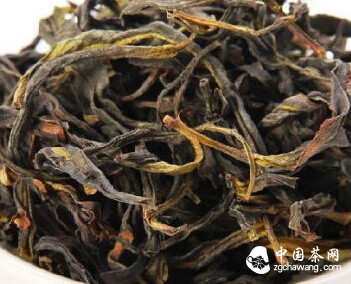
Tea emits aromas similar to various fresh flowers. Based on the sweetness and freshness of the floral scent, it can be divided into fresh floral and sweet floral aromas. Fresh floral scents include orchid, gardenia, chloranthus, aglaia, and honeysuckle. Sweet floral scents include magnolia, osmanthus, rose, and red rose. Many varieties exist. Generally, fresh leaves with one bud and two leaves, processed properly, may exhibit floral characteristics.
Tea examples: Floral aroma teas include oolong tea, scented tea, and some green and black teas. Oolong teas such as Tieguanyin, Baozhong, Fenghuang Dancong, Shuixian, Langcai, and Taiwanese oolong have distinct floral notes. Scented teas vary by flower type, with jasmine aroma being the most common. Among green teas, Tongcheng Xiaolanhua, Shucheng Xiaolanhua, Yongxi Huohuo, and high-grade Shulv have elegant orchid aromas. Keemun black tea, one of the world's three high-aroma black teas, has a pleasant and unique fruity-floral aroma, specifically named "Keemun fragrance."
4. Fruity Aroma Type
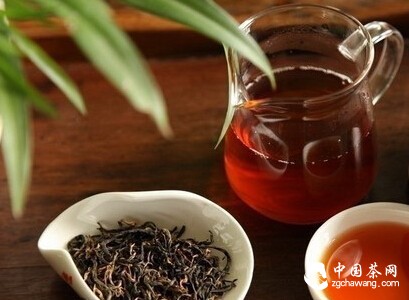
Tea emits aromas similar to various fruits, such as peach, honey peach, snow pear, bergamot, orange, plum, citron, pineapple, longan, and apple.
Tea examples: Northern Fujian oolong teas and some variety teas belong to this type. Black teas often carry apple-like aromas, such as Bailin Gongfu and Dianhong Gongfu.
5. Fresh Aroma Type
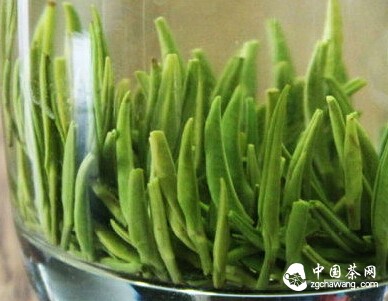
This category includes fresh, high, pure, clean, and brisk aromas. Typically found in green teas made from fresh leaves with one bud and two or three leaves, processed promptly and properly. Some yellow teas with light pile fermentation and insufficient drying fire, as well as oolong teas with light bruising and inadequate roasting, may also exhibit this aroma.
Tea examples: Fresh aroma is typical of green teas, such as Zhuyeqing, Enshi Yulu, and Mengding Huangya. Fresh-aroma Tieguanyin also falls under this type.
6. Sweet Aroma Type
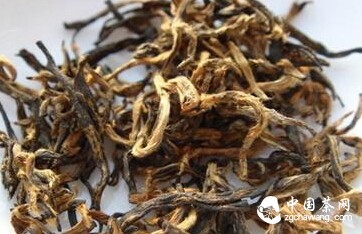
This includes sweet, sweet floral, dried fruit, sweet date, orange, honey, and longan aromas. Fresh leaves with one bud and two or three leaves, processed using black tea methods, may develop these characteristics.
Tea examples: Sweet aroma is typical of Gongfu black teas, such as Yihong Gongfu, Dianhong Gongfu, and Minhong Gongfu.
7. Roasted Aroma Type
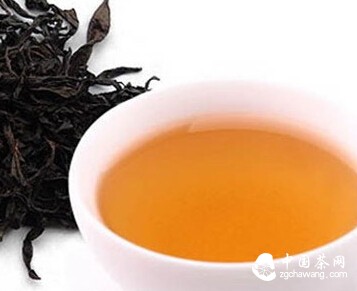
When fresh leaves are older and contain more stems, and the drying process uses high temperatures and sufficient fire, leading to caramelization of sugars, this aroma type appears. It includes rice cake aroma, high-fire aroma, old-fire aroma, and burnt rice aroma.
Tea examples: Huangda tea and Wuyi rock tea belong to this category.
8. Aged and Mellow Aroma Type
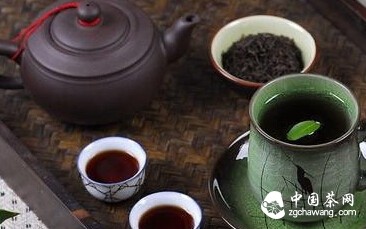
Teas like Yunnan Pu'er, Guangxi Liubao, and Hunan dark tea, during prolonged storage, undergo continuous post-fermentation and other changes, gradually developing an aged and mellow aroma. Many Pu'er enthusiasts value the concept of "the older, the more fragrant" and "aged charm," primarily referring to this aroma type.
Tea examples: Aged Pu'er and Liubao teas belong to this type.
9. Pine Smoke Aroma Type
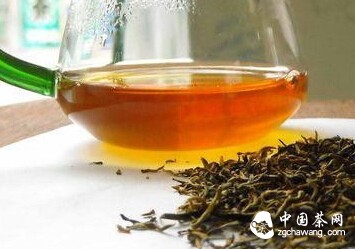
Teas that are smoked using pine, cypress, maple balls, or yellow rattan during the drying process typically have a pine smoke aroma.
Tea examples: Lapsang Souchong, Weishan Maojian, Liubao tea, and dark raw tea belong to this type. Often, tea aromas are a combination of multiple types, with one or several dominant. The aroma types listed above are the result of systematic evaluation and scientific analysis by tea experts on hundreds of finished teas, serving as important criteria for assessing tea quality. In general, green teas are expected to be fresh and brisk, black teas strong and pure, scented teas fragrant and refreshing, and oolong teas rich and elegant.
When tasting tea, try to identify its aroma type—this can add enjoyment and interest to daily tea drinking.