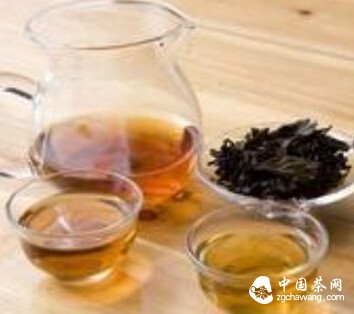
The famous Chinese nutritionist and wife of Chen Yun, Yu Ruomu, once said: "According to modern medical, biological, and nutritional research on tea, most of the beneficial components that regulate human metabolism are present in tea. Modern science has not only analyzed almost all components of tea but also clarified the mechanisms of its anti-cancer, anti-aging, and physiological activity-enhancing effects."
Dark tea is a post-fermented tea. During the pile fermentation process, under the combined action of oxygen, moisture, temperature, extracellular enzymes, and microorganisms, a series of complex and intense chemical reactions primarily involving tea polyphenols occur. These reactions are based on the internal components of dark tea raw materials. Under the enzymatic action of extracellular enzymes secreted by microorganisms, the heat generated by microbial respiration, and the influence of tea moisture, tea polyphenols undergo oxidation and condensation; proteins and amino acids undergo decomposition and degradation; carbohydrates undergo decomposition and transformation; pigment substances undergo oxidation, decomposition, transformation, and degradation; aromatic substances undergo oxidation and degradation; flavor substances undergo elimination, modulation, multiplication, inhibition, and coordination; various products undergo oxidation, decomposition, degradation, polymerization, and condensation; and beneficial fungal substances for tea quality undergo reproduction, growth, transformation, isomerization, balance, and growth. These changes lead to the increase, decrease, and recombination of internal components in dark tea, not only giving dark tea its unique color, aroma, and taste but also enhancing its nutritional value.
Dark tea is rich in nutrients, including vitamins, minerals, proteins, amino acids, and carbohydrates.
(1) Multiple vitamins
Fu brick tea contains multiple water-soluble vitamins, such as vitamin B1, B2, and C, which offer various benefits to the human body. Vitamin B1: treats beriberi and polyneuritis. Vitamin B2: treats keratitis, conjunctivitis, lip damage, angular stomatitis, glossitis, and seborrheic dermatitis. Vitamin C: prevents scurvy and treats atherosclerosis caused by hypertension. Long-term consumption of Fu brick tea can effectively meet various vitamin needs and maintain health.
(2) Multiple minerals
Fu brick tea contains 28 types of minerals, mainly sodium, potassium, iron, copper, phosphorus, and fluorine. For ethnic minorities lacking fruits and vegetables, drinking Fu brick tea is an important source of essential minerals. The fluorine content in Fu brick tea helps prevent various dental diseases, thus maintaining consumers' dental health.
(3) Proteins, amino acids, and carbohydrates are also important nutritional sources for drinkers
Tea contains 20%-30% leaf protein, but only about 3.5% is soluble in tea infusion. Tea contains 1.5%-4% free amino acids, with up to 20 types, most of which are essential amino acids for the human body. Tea contains 25%-30% carbohydrates, but only 3%-4% is water-soluble. Tea also contains 4%-5% lipids, which are essential for the human body. In addition, tea is rich in several functional components, including tea polyphenols, caffeine, polysaccharides, pigments, vitamin B, vitamin C, vitamin E, vitamin U, and vitamin K, all of which are necessary for enhancing immunity.