
Chinese traditional tea culture makes many people show a special liking for tea. However, in daily life, we rarely see children drinking tea. On one hand, children may not like the bitter taste of tea, but the more "serious" reason is that people believe tea has a certain stimulating effect, which is detrimental to children's growth and development and may harm their spleen and stomach. In fact, these views are one-sided. Xixiang Tea House believes that for preschool children, moderate tea consumption still has certain benefits, mainly reflected in the following six points:
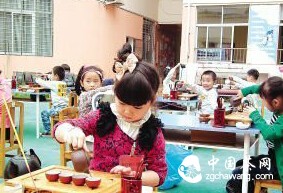
1. Supplement nutrition
Tea contains multiple inorganic mineral elements such as phosphorus, potassium, sulfur, magnesium, manganese, fluorine, aluminum, calcium, sodium, iron, copper, zinc, selenium, as well as organic compounds like protein, amino acids, lipids, carbohydrates, and vitamins. It can provide most of the nutrients needed for children's growth and development.
2. Increase appetite
Due to poor self-control, children are prone to bad eating habits such as anorexia, picky eating, selective eating, refusal to eat, and small meal sizes. Drinking tea can help digestion, remove greasiness, increase gastrointestinal motility, promote the secretion of digestive fluids, aid digestion, and enhance appetite.

3. Prevent obesity
According to relevant surveys, more than one-fifth of school-age children in large cities in China have varying degrees of overnutrition. Many have become overweight and suffer from high blood pressure and high blood lipids, affecting their physical and mental development. Moderate tea consumption can help remove greasiness, lose weight, keep the body light and healthy, and prevent cardiovascular diseases.
4. Eliminate toxins
In modern life, electronic radiation sources such as televisions, computers, microwave ovens, and mobile phones, as well as urban environmental pollution, endanger the healthy growth of children. The combined effects of tea polyphenols, lipopolysaccharides, vitamin C, and carotene in tea can help prevent radiation damage.
5. Prevent diseases
Tea has a high fluorine content, and together with the bactericidal effect of tea polyphenols and the surface activity of saponins in tea, it forms the anti-caries effect of tea. In addition, drinking tea can supplement the lack of vitamin C and prevent gum bleeding. Carotene in tea can be metabolized to synthesize rhodopsin to protect children's eyesight. Tea has the effect of clearing heat and reducing internal heat, preventing children from having dry stools and anal fissures.
6. Prevent dental caries
Children who drink tea are less likely to suffer from dental caries because tea contains an anti-acid and anti-corrosion substance—fluorine. The fluorine content in tea is higher than in other plants. Green tea has a higher fluorine content than black tea, and old tea has a higher fluorine content than young tea. When tea is brewed, about two-thirds of the fluorine dissolves into the tea. Fluorine is a chemical element with the effect of preventing dental caries.