In the Compendium of Materia Medica, there is such a record: "White tea is cold in nature, with effects comparable to rhinoceros horn." According to traditional Chinese medicine pharmacology, white tea is warm in taste and cool in nature, having the effects of reducing fever, clearing heat, removing dampness, and detoxifying. For a long time, in tea-producing areas such as Fuding, white tea stewed with rock sugar has been commonly used to reduce heat and dryness, treat toothache, constipation, and acclimatization issues. Aged Fuding white tea has even been used to treat childhood measles and fever. Lu Yu, the Tea Sage of the Tang Dynasty, recorded in The Classic of Tea: "Three hundred li east of Yongjia there is a White Tea Mountain." According to research by tea history expert Chen Yuan, "Three hundred li east of Yongjia is the sea; it is a mistake for three hundred li south. Three hundred li south is Fuding, Fujian (which was part of Changxi County in the Tang Dynasty), the origin of white tea."
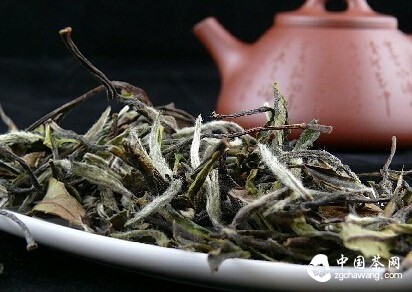
Unlike traditional stir-frying and fermentation processes, Fuding white tea uses a traditional process of no stir-frying and no rolling, mainly consisting of two steps: withering and drying. Withering is the key step in the primary processing of white tea. Through withering, the tea buds change naturally and slowly, maximizing the retention of active enzymes and polyphenols in the tea leaves. Withering mainly takes two forms: natural withering and composite withering. The natural withering process includes fresh leaves, natural withering, sorting, and baking; composite withering includes fresh leaves, composite withering, sorting, and baking. The entire processing of Fuding white tea uses natural withering and drying, maximally preserving the abundant active enzymes and polyphenols that are most beneficial to the human body.
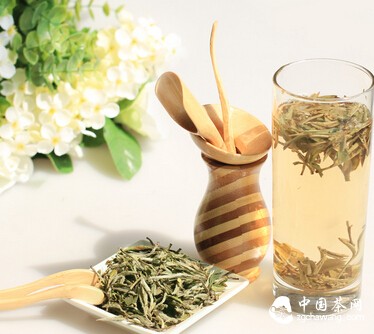
Fuding white tea is rich in vitamin C and vitamin P. Tea polyphenols can promote the absorption of vitamin C. Vitamin C can transfer cholesterol from the arterial wall to the liver, reducing the concentration of cholesterol in the blood, while enhancing the elasticity and permeability of blood vessels. The theophylline-like substances in tea can dilate blood vessels, promote blood circulation, and help lower blood pressure. White tea has anticoagulant and fibrinolytic effects, can change high coagulation states, and has no side effects common to general anticoagulant drugs. It has significant effects on lowering blood lipids and preventing cerebrovascular diseases.