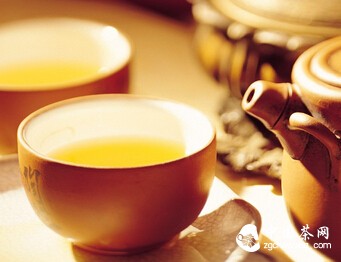
When it comes to "rinsing tea," most tea drinkers know what it means. Before formally brewing oolong tea, pu'er tea, dark tea, or black tea, there is usually a customary step—rinsing the tea leaves. After rinsing, the first infusion begins. This has almost become a standard procedure.
Why do some teas need to be "rinsed"? Is it to clean off dust or pesticide residues from the surface of the tea leaves? If so, why aren't all teas rinsed? The so-called rinsing tea is actually an intermediate process that transitions the tea from a stored state to a brewing state. It has an excellent name—"awakening tea."
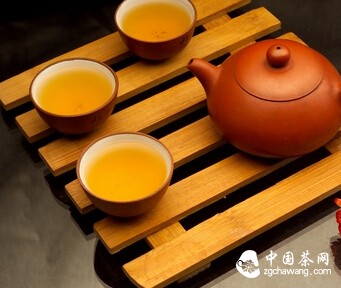
Regardless of the type of tea, teas that are very fresh do not need awakening, while the more aged the tea, the more it requires awakening. There are many methods to awaken tea: fresh tea taken out of the refrigerator can be awakened by letting it sit at room temperature for a while; less fresh tea can be awakened with a small amount of cool or warm water; for green tea, white tea, and yellow tea, awakening can be done by quickly rinsing with hot water at an appropriate temperature, but never with boiling water at 100°C; for oolong, black, and dark teas, using boiling water at 100°C is best for awakening; additionally, dry tea can be placed in a heated purple clay pot for dry heating to awaken it.
Another important point: the water used for awakening does not necessarily have to be discarded. If the tea leaves are very clean, and the awakening is not combined with rinsing for cleaning, then it does not need to be discarded. If the tea leaves are relatively intact but have poor cleanliness, or are bottom leaves with more impurities and dust, the awakening water can be discarded.

In summary, the way of tea emphasizes that proper brewing comes first, and awakening tea is an essential step in the brewing process. Knowing how to awaken tea according to the specific type requires some genuine skill in the art of tea.