Tea Hot Knowledge, How Much Do You Know?
The amount of tea consumed depends on factors such as tea-drinking habits, age, health status, living environment, and customs. Generally, a healthy adult with a regular tea-drinking habit can consume about 12 grams of tea per day, divided into 3-4 infusions. For those who engage in heavy physical labor, consume more energy, and eat larger amounts of food, especially those in high-temperature environments or exposed to harmful substances, a daily intake of about 20 grams of tea is suitable. People who consume a lot of greasy food or smoke and drink heavily can also appropriately increase their tea intake. Pregnant women, children, those with neurasthenia, and individuals with rapid heart rate should reduce their tea consumption appropriately.

Chemical components of tea and their health benefits
The chemical composition of tea consists of 3.5-7.0% inorganic substances and 93-96.5% organic compounds. There are about 27 types of inorganic mineral elements in tea, including phosphorus, potassium, sulfur, magnesium, manganese, fluorine, aluminum, calcium, sodium, iron, copper, zinc, and selenium. The organic compounds in tea mainly include proteins, lipids, carbohydrates, amino acids, alkaloids, tea polyphenols, organic acids, pigments, aroma components, vitamins, saponins, and sterols.
Tea contains 20-30% leaf protein, but only about 3.5% can dissolve in tea infusion. Tea contains 1.5-4% free amino acids, with more than 20 types, most of which are essential amino acids for the human body. Tea contains 25-30% carbohydrates, but only 3-4% can dissolve in tea infusion. Tea contains 4-5% lipids, which are also essential for the human body.
How to arrange drinking when you have multiple types of tea at home?
Some people drink different types of tea at different times of the day. In the early morning, drink a cup of light high-grade green tea to refresh the mind and clear the mind; in the morning, drink a cup of jasmine tea, fragrant and pleasant, to improve work efficiency; in the afternoon, drink a cup of black tea to relieve drowsiness and refresh; during an afternoon break, drink a cup of milk tea or high-grade green tea with some snacks and fruits to supplement nutrition; in the evening, invite a few friends or family to gather together, brew a pot of oolong tea, chat and drink tea, creating a unique atmosphere. If you are interested, you can also try this creative daily tea arrangement.
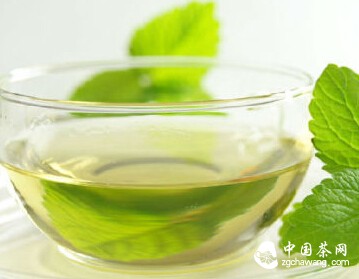
Is it beneficial to brew goji berries, American ginseng, white chrysanthemum, tangerine peel, mint, etc., in tea?
Brewing goji berries in tea has nourishing and anti-aging effects. The "Compendium of Materia Medica" provides a comprehensive discussion on the efficacy of goji berries: "Goji berries are moistening and nourishing, and can also reduce fever. They are especially good for tonifying the kidneys, moistening the lungs, generating fluids, and boosting qi. They are an essential herb for deficiency of liver and kidney yin, fatigue, and internal heat. Since ten to seventy percent of elderly people have yin deficiency, goji berries are often used as a top-grade ingredient for improving eyesight and brightening the eyes." Drinking goji berry tea is not only effective for symptoms such as dizziness, blurred vision, soreness in the lower back and knees, and spermatorrhea caused by liver and kidney yin deficiency, but also has certain effects on high blood lipids, high blood pressure, arteriosclerosis, and diabetes.
Brewing American ginseng slices in tea can take advantage of the sweet, pungent, and cool nature of American ginseng to adjust the taste of tea, and it is very effective for nourishing yin deficiency. This American ginseng tea often has good effects on nourishing the lungs and stomach, promoting body fluids, clearing deficiency heat, and reducing low-grade fever.
Brewing white chrysanthemum in tea can leverage the effects of white chrysanthemum in calming the liver, subduing yang, dispelling wind and heat, cooling blood, and brightening the eyes. Moreover, white chrysanthemum has a clear fragrance and sweet taste, which can enhance the flavor of tea and make it more palatable.
Brewing tangerine peel in tea can utilize the effects of tangerine peel in regulating qi and eliminating phlegm and stopping cough. Brewing tangerine peel with green tea can clear heat, resolve phlegm, and inhibit bacteria and inflammation. Therefore, it is beneficial for those with excessive phlegm and cough.
Brewing mint in tea can take advantage of the effects of menthol and menthone in mint to dispel wind and heat, and the tea has a refreshing and cooling sensation. It is an excellent remedy for clearing heat and promoting urination.
Can pregnant women and children drink tea?
This depends on individual constitution. However, for most pregnant women and children, it is generally not advisable to drink strong tea, as excessive caffeine in overly strong tea can cause rapid heart rate in pregnant women and overstimulate the fetus. The same applies to children. Therefore, it is generally recommended that pregnant women and children drink weak tea. Drinking weak tea can help supplement vitamins and minerals such as potassium and zinc. Moderate tea consumption in children can enhance gastrointestinal motility and aid digestion. Tea has the effect of clearing heat and reducing fire, preventing constipation and anal fissures in children. Additionally, drinking tea or rinsing the mouth with tea can help prevent dental cavities.
What are the benefits of washing the face, feet, hair, body, and rinsing the mouth with tea?
Washing the face and body with tea can reduce the occurrence of skin diseases and make the skin glossy, smooth, and soft. Using gauze dipped in tea and applying it to dark circles around the eyes for 20-30 minutes, 1-2 times a day, can help eliminate dark circles. Washing hands and feet with tea and residue can prevent chapping and treat eczema, relieve itching, and reduce foot odor. Washing hair with tea can make hair black, soft, shiny, and beautiful. Brushing eyebrows with tea can make them thicker and shinier. Rinsing the mouth with tea can eliminate bad breath, protect teeth, and prevent oral diseases.