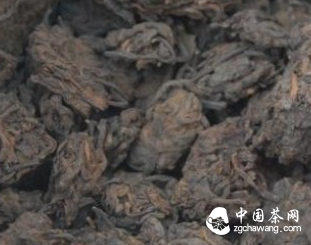
During the fermentation process of Pu'er, due to relatively high temperatures, the buds break down and release pectin. Because of this pectin layer, the tea in the middle cannot receive the heat necessary for fermentation, becoming crispy on the outside and tender on the inside. The tea in the middle is under-fermented, and as it sticks together, it forms tea heads.
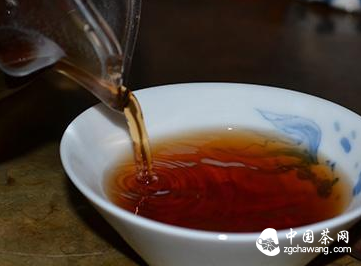
When it comes to the flavor of old tea heads, it feels relatively mild, with a tender and fragrant note, somewhere between raw and ripe Pu'er. It is suitable for all ages and absolutely will not cause any burden—meaning it will never irritate your stomach. Whether men or women, young or old, drinking old tea heads feels just like drinking tea. It is a cultured experience—one can enjoy a single tea head from morning till night. Many people, especially those who have never drunk tea, say that ripe Pu'er is hard to enjoy. But old tea heads rarely receive such criticism; at the very least, people don't say it's unpleasant. Of course, this refers to aged old tea heads. I also agree that old tea heads contain many buds, pectin, and rich nutrients. But in the end, are we drinking for taste or for nutrition? Should we go left or right?
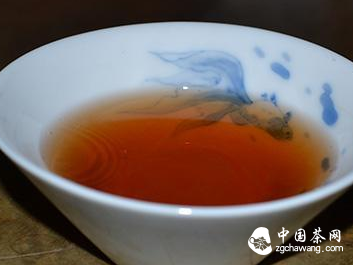
Regarding the brewing of old tea heads, my personal suggestion is that rinsing with hot water twice is not the best method. The correct method is: first, rinse with clean water—either warm or cold—and let it soak for 2-3 minutes to wash away dust. Second, rinse with hot water as a normal tea rinse. Then proceed with normal brewing. Of course, old tea heads are like this: at the beginning, the flavor is mild, and even during the rinse, the tea soup may not be red but only light yellow. Then, as you continue, the flavor becomes stronger. A normal tea head can be steeped 20 to 30 times without issue. After that, it will have a final resurgence, and then you can boil it thoroughly. Boiling is the essence. Even a tea head from 2008, when boiled, will taste wonderful. All the pile flavors and off-notes dissipate during the previous steeps. This pot of tea is醇香 (mellow and aromatic)—this is the true essence. By the way, tender fragrance—sometimes called lotus fragrance—cannot appear in teas below grade 3. But in old tea heads, this should be a fundamental note. As for the nutrition of old tea heads, it mainly refers to so-called pectin. The tea within a tea head may not necessarily be very tender, yet you can still brew a tender fragrance from it.
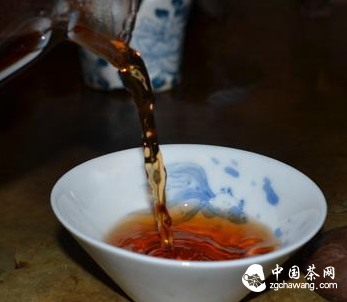
Finally, let's talk about the forgery of tea heads. Due to certain reasons, better-quality tea heads are priced higher than ordinary loose tea. Therefore, during certain specific periods, counterfeit tea heads appeared that cannot be opened up during brewing. This is because an organic adhesive was used. If a tea head truly cannot be opened, there is a problem. Another method is even simpler: steam the loose tea, similar to pressing a cake, press it into irregular shapes, and sell it as tea heads. It is easy to do and can be operated at home.
Finally, my conclusion: tea heads are certainly not the best in taste—they won't surpass the flavor of good ripe Pu'er. Perhaps what we drink is the pectin, the plainness, the endurance in steeping...
Tea heads are a thought-provoking beverage...